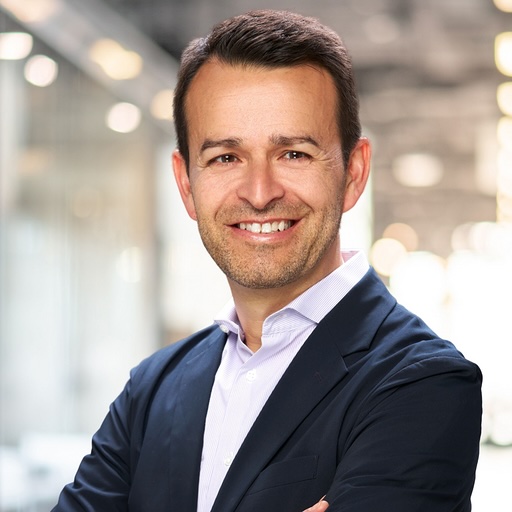
Javier Garcia
Chief Executive Officer, World Central Kitchen
Javier Garcia is a Spanish-born American entrepreneur based in Washington, DC. With a background in law and international business administration, Javier started his career supporting Spanish agro-food companies’ exports globally. He moved to the US two decades ago and, conversely, helped European food products enter the American retail and food service market. As a Washington D.C. metropolitan area resident doing business in the restaurant sphere, he inevitably crossed paths with chef José Andrés. José shared his dream of feeding the world with Javier. That dream sounded too tempting to pass, and he joined José in his dream of becoming a founding director of World Central Kitchen. Javier has been an active board member since the beginning of WCK and has played a key role in supporting the organization’s growth and frontline efforts. As Treasurer and Executive Co-Chair, Javier has helped build a financially resilient, innovative, and frontline-centric organization capable of sustaining tremendous growth over the past 15 years. With his boots-on-the-ground involvement, he has also been instrumental in building today’s WCK’s global relief response.

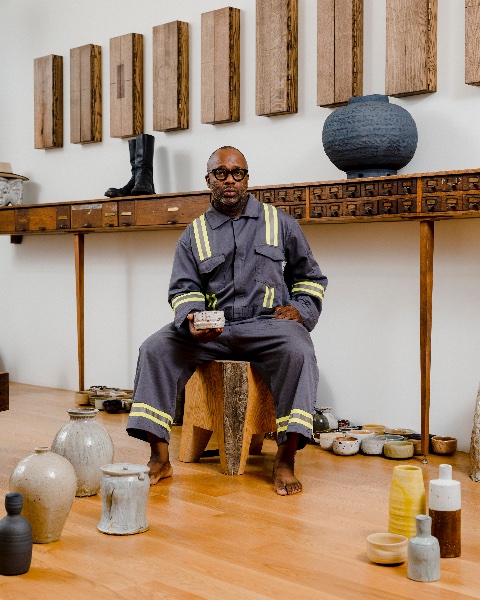
Theaster Gates
Founder, Theaster Gates Studios Rebuild Foundation
Theaster Gates is an artist whose practice is rooted in conceptual formalism, sculpture, space theory, land art, and performance. Trained in urban planning and the tradition of Japanese ceramics, Gates's artistic philosophy contends with form, value, grief, and redemption. Foundational to Gates's practice is his custodianship and critical redeployment of culturally significant Black objects, archives, and spaces. Recent solo exhibitions include the Smart Museum of Art, Chicago (2025); Albuquerque Foundation, Sintra, Portugal (2025); Mori Art Museum, Tokyo (2024); Contemporary Art Museum Houston (2024); LUMA Foundation, Arles, France (2024 and 2023); New Museum, New York (2022); and Serpentine Pavilion, London (2022); Frederick Kiesler Foundation, Vienna, (2022); Whitechapel Gallery, London (2021); Victoria & Albert Museum, London (2021); TANK Shanghai (2021); Prada Rhong Zhai, Shanghai (2021); Spelman College Museum of Fine Art, Atlanta (2020) and; Tate Liverpool, UK (2020). Gates is the recipient of numerous awards and honorary degrees including the MOCA Legend Award (2025); Guggenheim Fellowship (2025); 39th World Cultural Council Award (2024); Isamu Noguchi Award (2023); Friedrich Kiesler Prize for Architecture and Art (2021); the Royal Institute of British Architects (2021); the World Economic Forum Crystal Award (2020); J.C. Nichols Prize for Visionaries in Urban Development (2018); Nasher Sculpture Prize (2018); Sprengel Museum Kurt Schwitters Prize (2017); and Artes Mundi 6 prize (2015). He was the visiting artist in residence at the American Academy in Rome (2020); and was inducted into the American Academy of Arts and Letters in 2021.
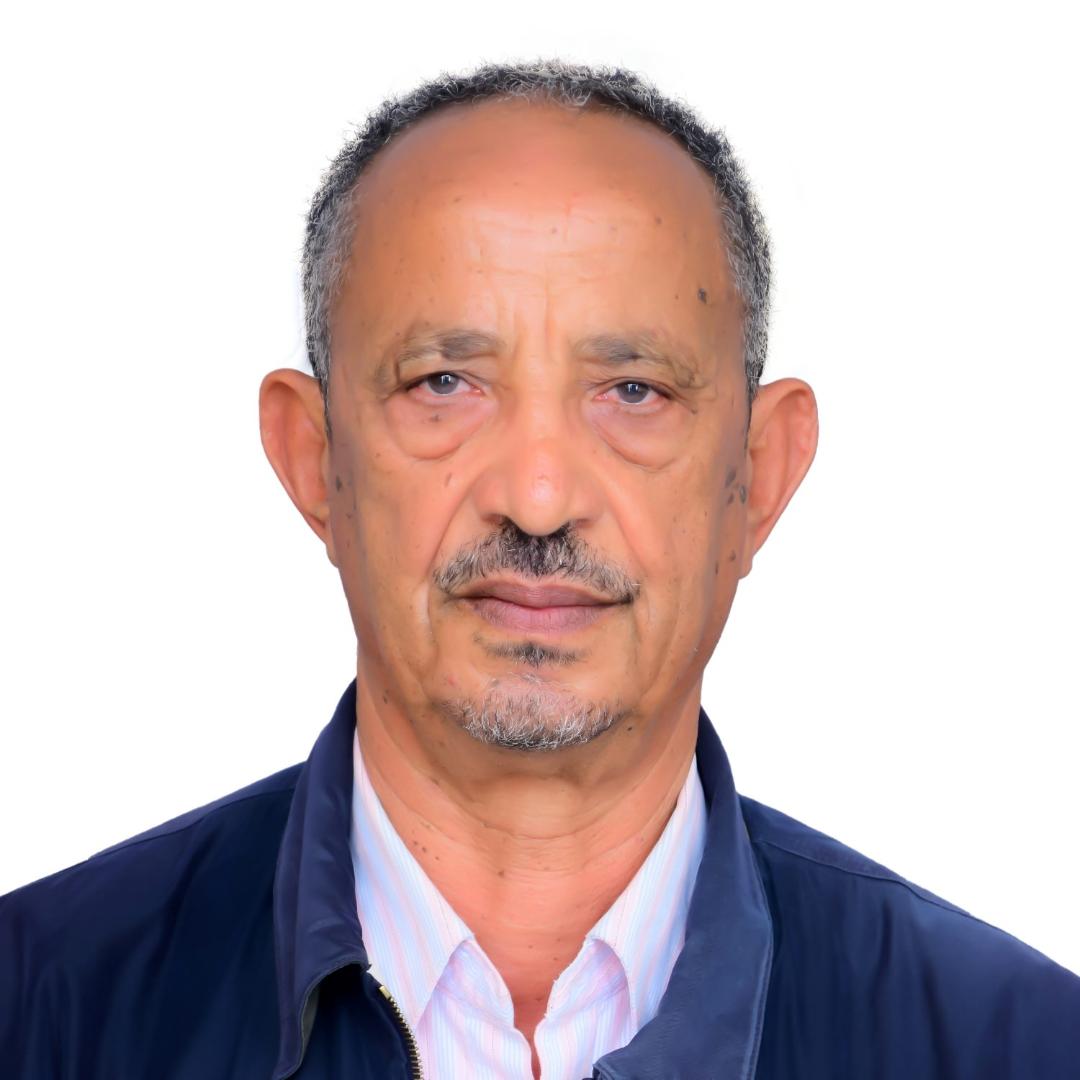
Dr. Mulugeta Gebrehiwot Berhe
Senior Research Associate, World Peace Foundation
Mulugeta G. Berhe is a Visiting Fellow at the London School of Economics and Political Science. He holds a PhD from the University of Victoria, British Columbia; an MA in Public Administration from the Harvard Kennedy School; an MBA from the Open University of London; and a BA in International Management from the Amsterdam School of Business. As an official of the Ethiopian government, he among other things has headed the Ethiopian government’s massive DDR program of 1991-97 where over 350,000 ex-soldiers and ex-combatants were disarmed and demobilized. As a Senior Fellow at the World Peace Foundation at the Fletcher School of Law and Diplomacy, Tufts University, he worked as a senior researcher and director of the African Peace Missions Study Project (2017–2017). He has also served as a member of the Senior Mediation Advisory Team at the UN DPPA Mediation Support Unit, focusing on security arrangements. An expert in conflict prevention, management, and resolution—particularly in East Africa—he has consulted for numerous international organizations, including the AU, DFID, DANIDA, ECOWAS, GIZ, IGAD, UNMIS, UNAMID, and UNDPA. He is the founding director of the Institute for Peace and Security Studies (IPSS) at Addis Ababa University, which he led from its establishment until 2013. He has written extensively on African peace and security. His most recent book is Laying the Past to Rest: The Challenges to the EPRDF’s State-Building Project (Hurst Publishers, London, 2020).
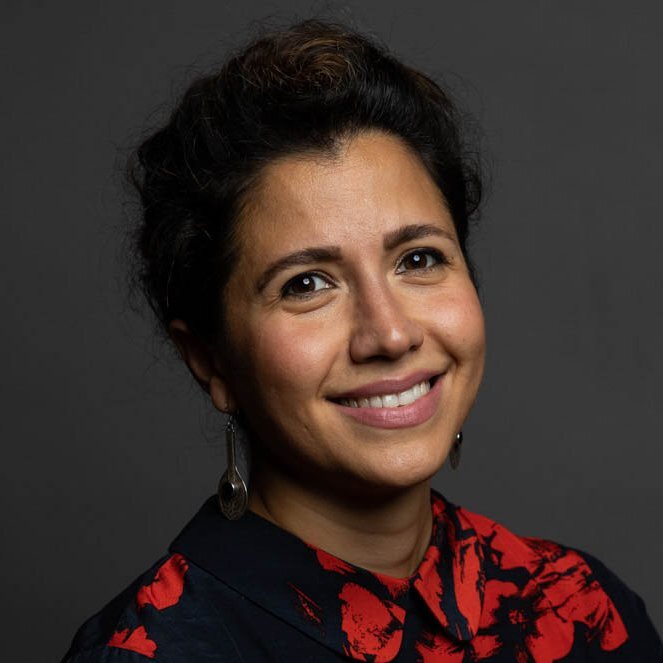
Ellie Geranmayeh
Deputy Director MENA Program, European Council on Foreign Relations
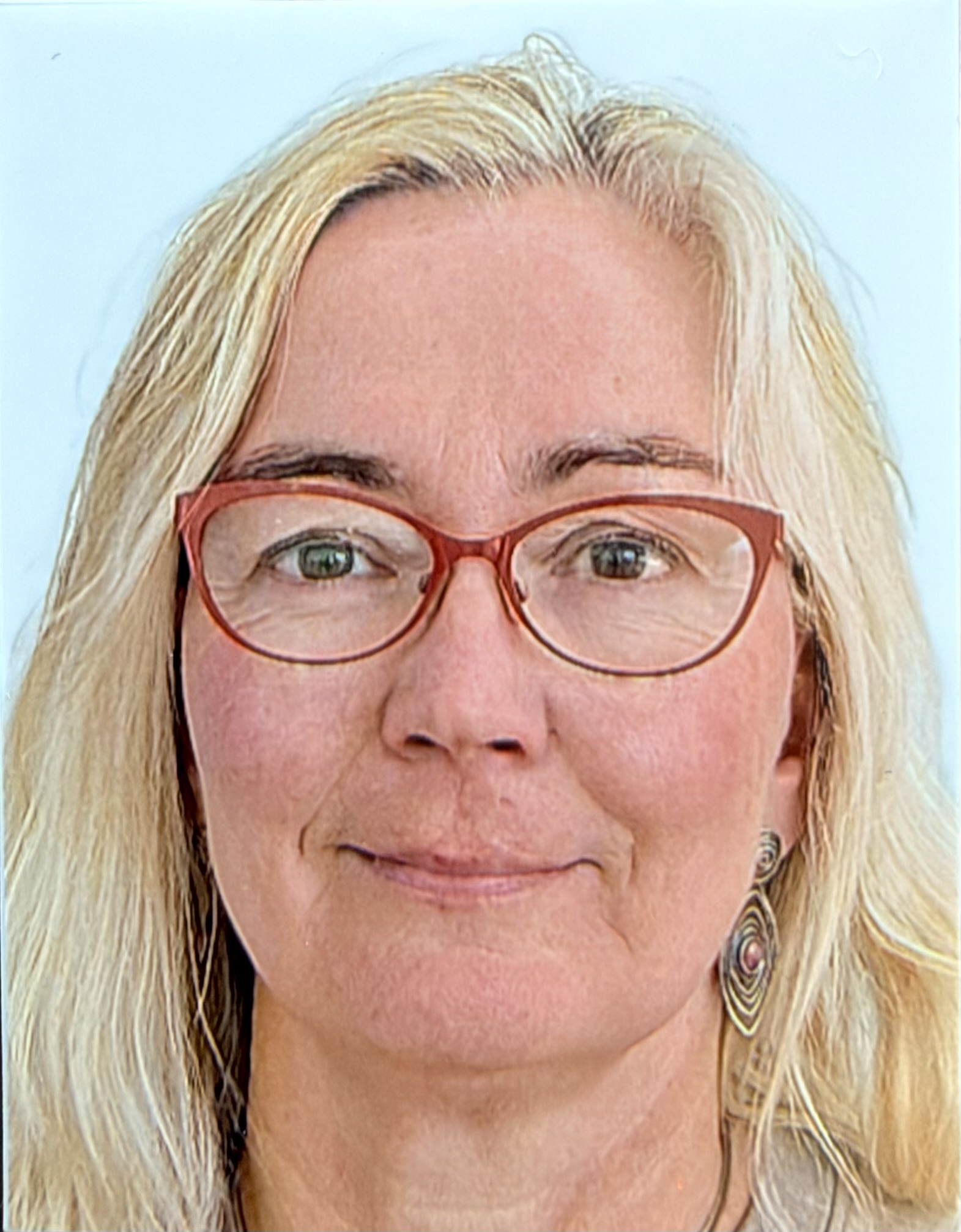
Anja Gomm
Regional Director, Deutsche Gesellschaft für Internationale Zusammenarbeit (GIZ)
GIZ Director Division Near and Middle East since October 2025. Before she was Country Director for Palestine. She has been with GIZ for 30 years, with various postings and assignments abroad in over 20 countries and in head office. She has experience in GIZ management as well as policy advice, having worked closely with various German Federal Ministries as well as the EU. She has worked on peace and security related projects, and WTO / EU Trade Policy issues, and has advised in partner countries on incorporating trade, services trade, promoting investment and Regional Economic Integration, as well as co-developing many private sector promotion projects. Ms. Gomm is married and has two children.

Sarah Ghabsha
Director of Corporate Comms & IR, Al Jazeera Media Network
Sarah Ghabsha leads Corporate Communications and International Relations at Al Jazeera Media Network, overseeing the network’s institutional reputation, strategic communications, international partnerships and global engagement.Her remit also includes Al Jazeera Centre for Public Liberties and Human Rights, which works to advance press freedom, journalist protection, documentation and international advocacy.She founded Al Jazeera’s global campaign against the targeting of journalists, engaging with leading international press freedom and human rights organizations, including the Committee to Protect Journalists, Reporters Without Borders and the International Press Institute.With an extensive background in international journalism, media strategy and institutional communications, Sarah works to strengthen Al Jazeera’s role not only as a global news organization but also as an active institutional advocate for press freedom and the protection of journalists worldwide.
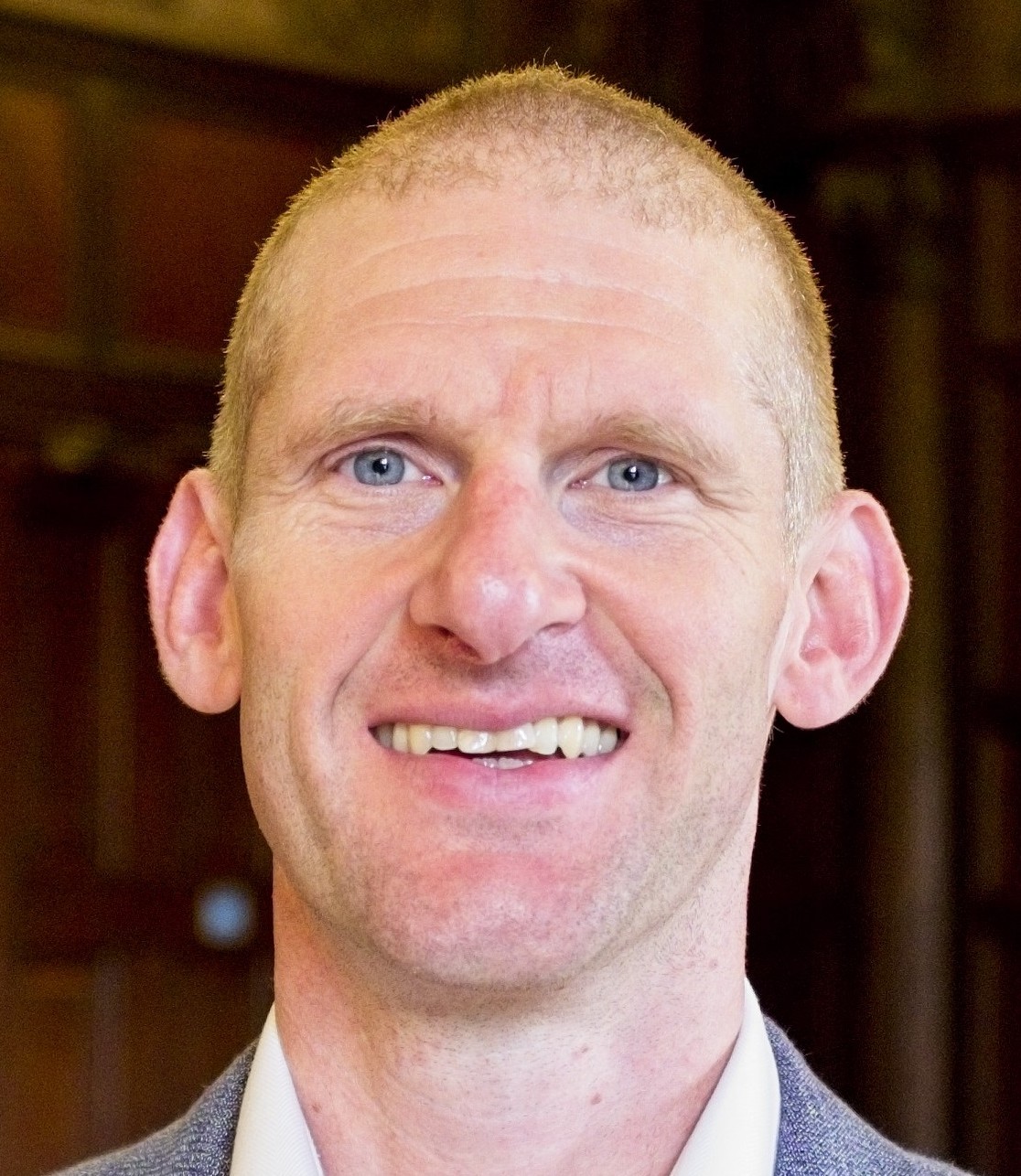
Samuel Godsland
Senior Programme Director, Wilton Park
Sam is a Senior Programme Director for Wilton Park, where he facilitates international dialogues on justice, conflict, national security, and the Indo-Pacific. Wilton Park is an Executive Agency of the UK Foreign, Commonwealth & Development Office, and the UK’s foremost multilateral facilitator. Prior to this, Sam spent more than twenty years at the FCDO. After an undergraduate degree in Mandarin, he worked on a wide range of policy areas, from the politics of China and the Asia-Pacific, to conflict and stability in the Middle East, Afghanistan, South Asia, and East Africa. A counter-terrorism specialist, he led the UK’s overseas counter-terrorism strategy, working across relevant government departments and agencies. He has a Masters’ degree in Terrorism, Security, and Society, and is a Research Associate in the War Studies Department at King’s College London, focusing on Transitional Justice in Syria.

Dr. Philip Gordon
Sydney Stein Scholar, Brookings Institution

Eleni Giokos
Correspondent, CNN
Eleni Giokos is a CNN anchor and correspondent, based in the United Arab Emirates. A regular anchor across CNN’s news and business programming, she also presents the network’s Connecting Africa and Marketplace Middle East feature shows. Born in Greece and raised in South Africa, she has more than 15 years’ experience working across TV, digital, radio and print media. One of CNN’s most versatile correspondents, she joined the network in 2015. Giokos has interviewed countless heads of state over the years, including Rwandan President Paul Kagame, former South African President Jacob Zuma, and former Nigerian President Goodluck Jonathan, to name just a few. Her list of business and economic interviews includes the likes of International Monetary Fund Managing Director Kristalina Georgieva, ECB president Christine Lagarde, and Virgin founder Richard Branson; as well as a ‘who’s who?’ of Africa’s most prominent business leaders, including Akinwumi Adesina, Aliko Dangote, Tony Elumelu, Patrice Motsepe, and the late Bob Collymore. At CNN she has reported on the ground across Africa, from Nigeria, Kenya, Egypt and Zimbabwe, to Rwanda, Senegal, Ghana, Lesotho and more. She has highlighted the growing links between Africa and Asia, reporting from South Korea and Kazakhstan, traveled to the United States to report from Washington DC, and anchored shows from the network’s London, New York and Atlanta hubs. Giokos has an Honors Degree in Journalism and Media Studies from the University of Witwatersrand, and was made an International Monetary Fund Fellow in 2014.

Scott Gilmore
Principal Secretary to the Prime Minister, Government of Canada
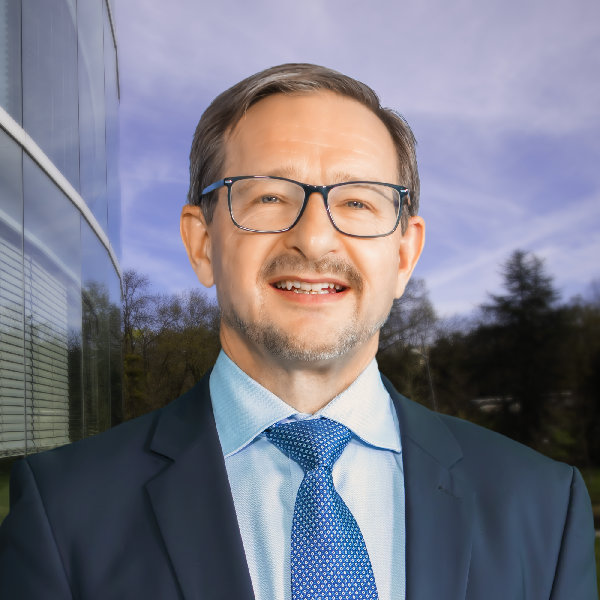
Amb. Thomas Greminger
Executive Director, Geneva Centre for Security Policy (GCSP)
Ambassador Thomas Greminger is the Director of the Geneva Center for Security Policy since 1 May 2021. Previously, he served as Secretary General of the Organization for Security and Co-operation in Europe from July 2017 until July 2020. Ambassador Greminger served as Deputy Director General of the Swiss Agency for Development and Cooperation at the Federal Department of Foreign Affairs from 2015 to 2017 and as the Permanent Representative of Switzerland to the OSCE, the United Nations and the International Organizations in Vienna from 2010 to 2015. From 2004 to 2010, he served as Head of the Human Security Division of the Federal Department of Foreign Affairs. Ambassador Greminger also served as Deputy Head of the Human Security Division and as Country Director at the Swiss Embassy in Maputo, Mozambique. From 1994 to 1998, he served in different posts in the Swiss Agency for Development and Cooperation, including Head of the Policy and Research Unit.
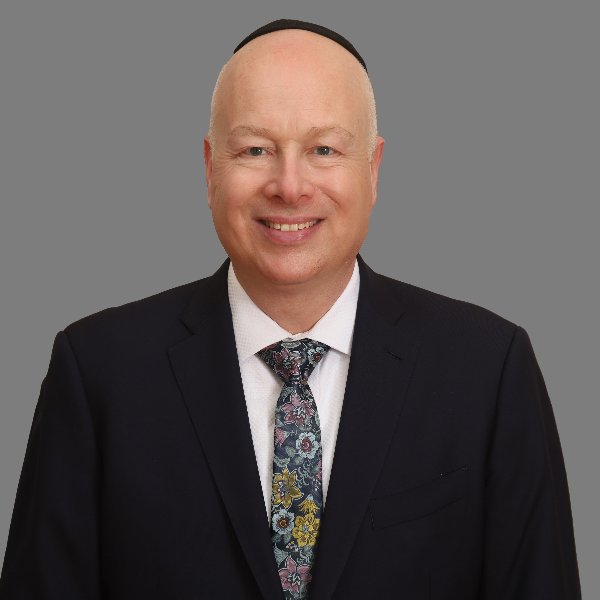
Hon. Jason Greenblatt
Former White House Middle East Envoy under the First Trump Administration and Founder of Abraham Venture LLC
The Honorable Jason Greenblatt is a diplomat, lawyer and commentator who served as an Assistant to the President and the White House Special Envoy to the Middle East in the Trump Administration from 2017 to 2019. In that role, he played a key role in developing the Peace to Prosperity plan between Israel and the Palestinians and in laying the foundation for the Abraham Accords. Prior to the White House, he spent twenty years at The Trump Organization, rising to Executive Vice President and Chief Legal Officer. He is the Senior Director of Arab-Israel Diplomacy at the Jerusalem Center for Security and Foreign Affairs (JCFA), the founder of Abraham Venture LLC, a consulting company that connects American and Middle East businesses, and the publisher of the Substack How to Watch. He remains involved in work toward peace and prosperity throughout the Middle East, focusing on what he calls Middle East 2.0: building economic and cultural bridges between Israel and its Arab neighbors. He is the author of the widely acclaimed book In the Path of Abraham: How Donald Trump Made Peace in the Middle East–and How to Stop Joe Biden from Unmaking It, which chronicles his time at the White House and the Trump Administration's work with Israel and the broader Middle East. He is a sought-after commentator on the Middle East, the Iran war, President Trump and US politics, appearing across a wide variety of television and print media outlets and writing opinion pieces.
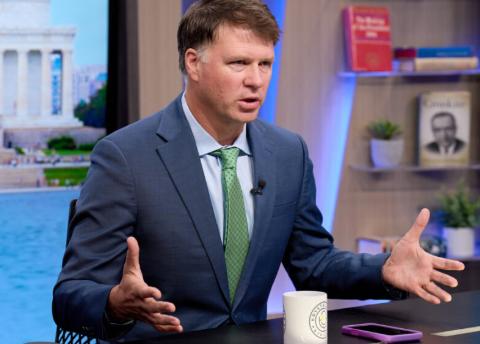
Ryan Grim
Co-Founder and Reporter, Drop Site News
Ryan Grim is a longtime political and investigative reporter, Co-founder of Drop Site News and a co-host of the news show Breaking Points. He previously reported for The Intercept, The Huffington Post, and Politico. He is the author of three books.

Dr. Abdelkadir Hamza
Political Scientist
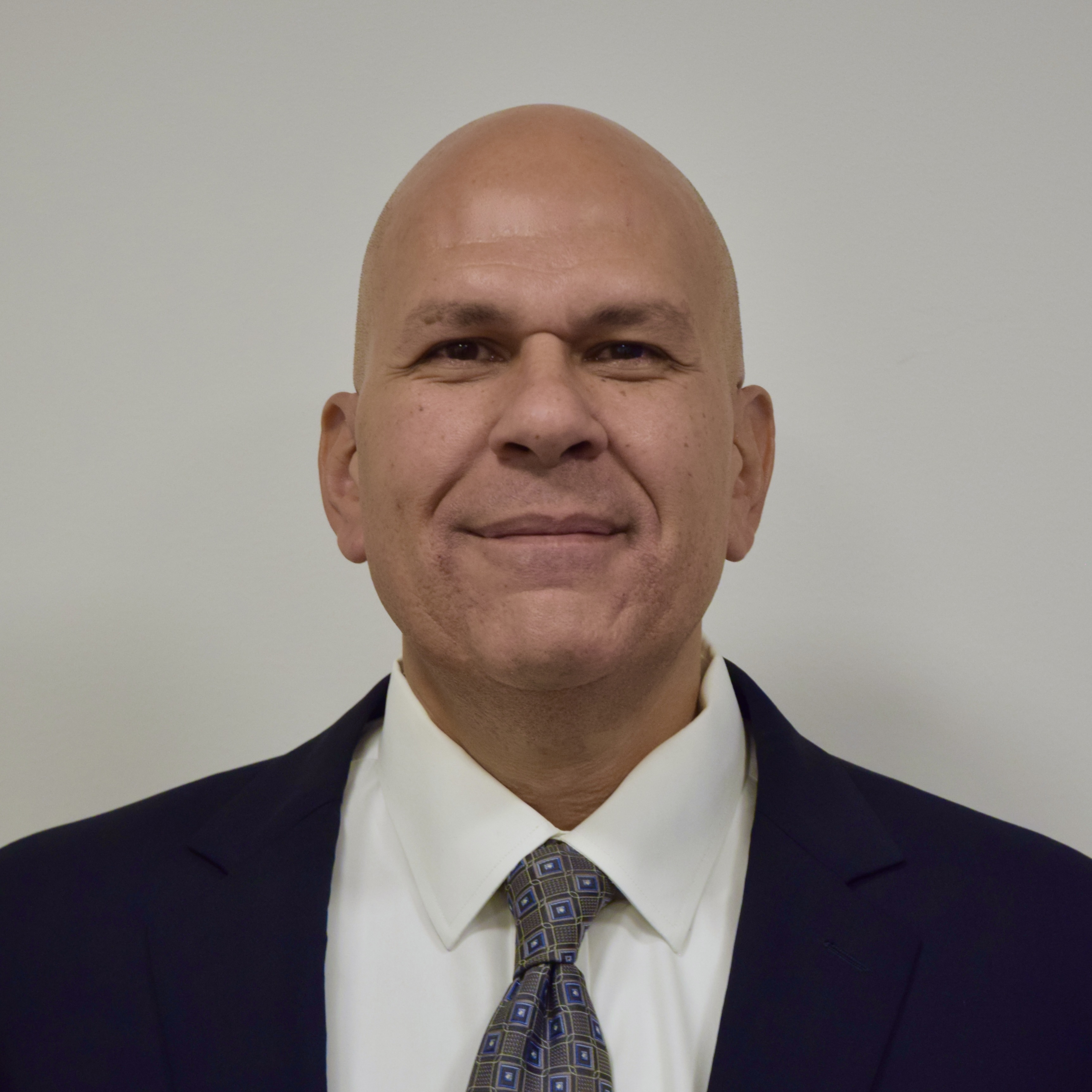
Karim Haggag
Director, Stockholm International Peace Research Institute (SIPRI)
Karim Haggag is the Director of the Stockholm International Peace Research Institute (SIPRI) a leading global independent institute dedicated to research into conflict, armaments, arms control and disarmament. He is a former career Egyptian diplomat with over 25 years of service in Egypt’s diplomatic corps serving in numerous positions focusing Middle East regional security, arms control and non-proliferation, and Arab-Israeli diplomacy. Prior to joining SIPRI he was a Professor of Practice at the School of Global Affairs and Public Policy (GAPP) and Director of the Global Affairs program at the American University in Cairo, and a visiting professor at the Near East and South Asia Center for Strategic Studies National Defense University in Washington DC (2011-2013).
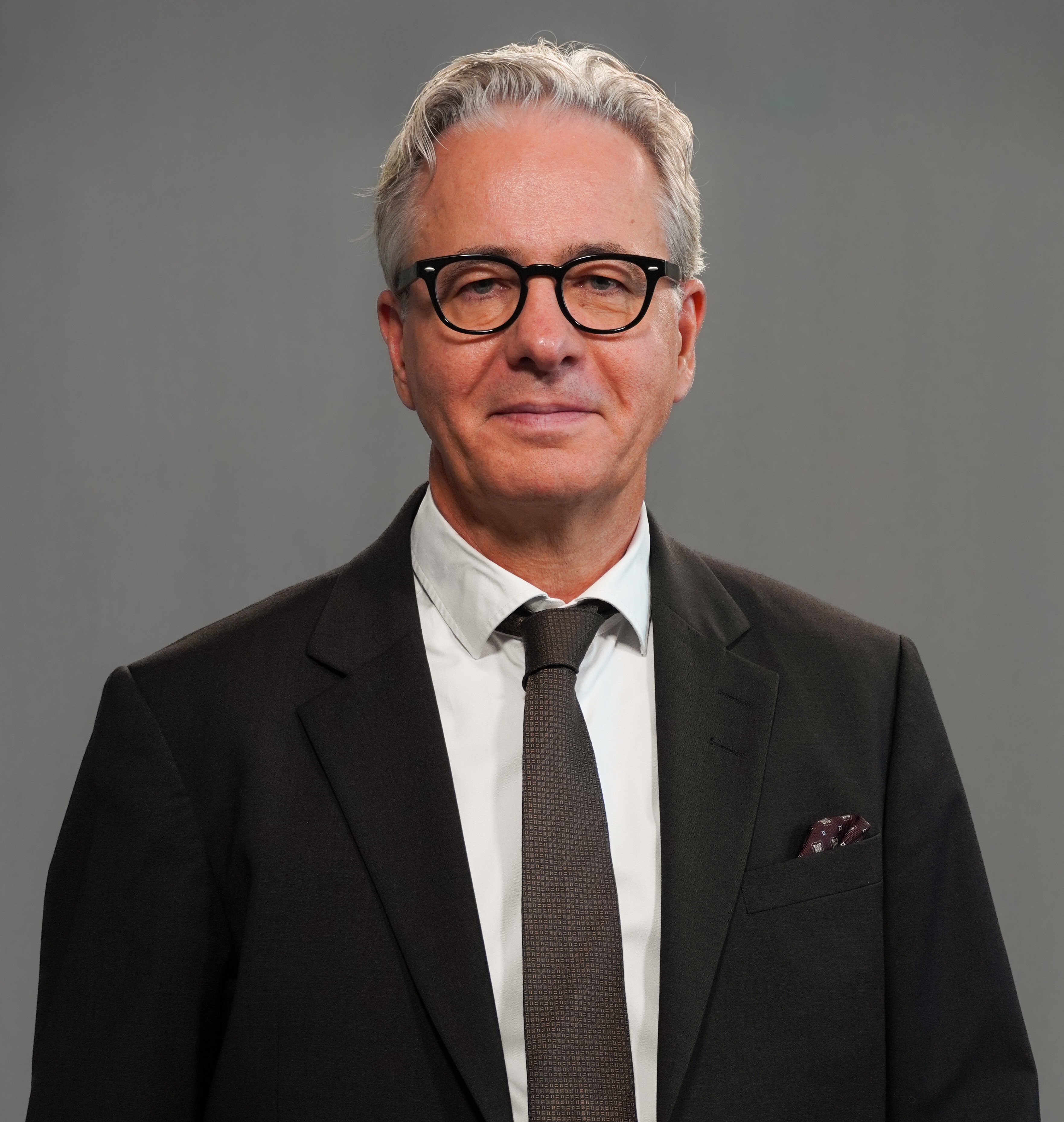
Jakob Hallgren
Director, The Swedish Institute of International Affairs
Jakob Hallgren is the Director of the Swedish Institute of International Affairs (Utrikespolitiska institutet, UI) since February 2022.He was Sweden’s Ambassador for Disarmament and Non-Proliferation from 2021 until early 2022. He served as Sweden’s Ambassador to the Republic of Korea from 2018 to 2021. Before that he was Deputy Director of the Stockholm International Peace Research Institute (Sipri) from 2012 to 2018, during which time he was also a member of the Swedish Government’s Delegation on Disarmament and International Law.In earlier positions Jakob Hallgren has worked as the Head of the Swedish MFA’s Division for Humanitarian and Conflict Issues. He has also undertaken assignments at the Swedish Permanent Mission in Geneva and the Swedish Embassy in Sarajevo as well as for the Swedish Armed Forces and for the Folke Bernadotte Academy. He has worked closely with the UN and the EU, and a variety of other organisations in the fields of security policy, mediation, peace building, security systems reform, disarmament, humanitarian affairs and disaster risk reduction.

H.E. Outi Holopainen
Deputy Foreign Minister, Finland

Ahmad Abid Humayun
Executive Director, Sanayee Development Organisation

Waad Hachem
Journalist, Al Araby TV

Dr. David Harland
Executive Director, Centre for Humanitarian Dialogue
David Harland is a New Zealand diplomat who has been the executive director of the Centre for Humanitarian Dialogue (HD), a Geneva-based foundation that specializes in the mediation of armed conflict, since 2011. Harland served as a witness for the prosecution in a number of cases at the International Criminal Tribunal for the former Yugoslavia. Harland holds a PhD from the Fletcher School of Law and Diplomacy (1994); a Master's degree from Harvard University (East Asian studies, 1991); a Graduate Diploma from Beijing University (1988); and a Bachelor of Arts from Victoria University of Wellington, New Zealand (1983). Harland was appointed HD's Executive Director in 2011. He currently also sits on the United Nations secretary-general's high-level advisory board on mediation, and on the Scientific Advisory Board of the Robert Koch Institute Centre for International Health Protection (ZIG). Prior to that, Harland was adjunct professor at the Johns Hopkins School of Advanced International Studies (SAIS), and Chair of the World Economic Forum Global Agenda Council on Conflict Prevention. Before joining HD as executive director, Harland served as director of the Europe and Latin America Division of the United Nations Department of Peacekeeping Operations (2006–2011). He served in United Nations peacekeeping missions in Haiti (2010), Kosovo (2008), Timor Leste (1999-2000) and Bosnia and Herzegovina (1993–1998). During 1999, he was released from his regular duties to research and draft the United Nations report on the Srebrenica massacre, "The Fall of Srebrenica".[12] He served as a Teaching Fellow at Harvard University from 1989 to 1991. Harland served as a witness for the prosecution at the International Criminal Tribunal for the former Yugoslavia in the cases of "The Prosecutor versus Ratko Mladic"] (2012), "The Prosecutor versus Radovan Karadžic" (2010), "The Prosecutor versus Dragomir Miloševic" (2007), and the Prosecutor versus "Slobodan Miloševic" (2004).
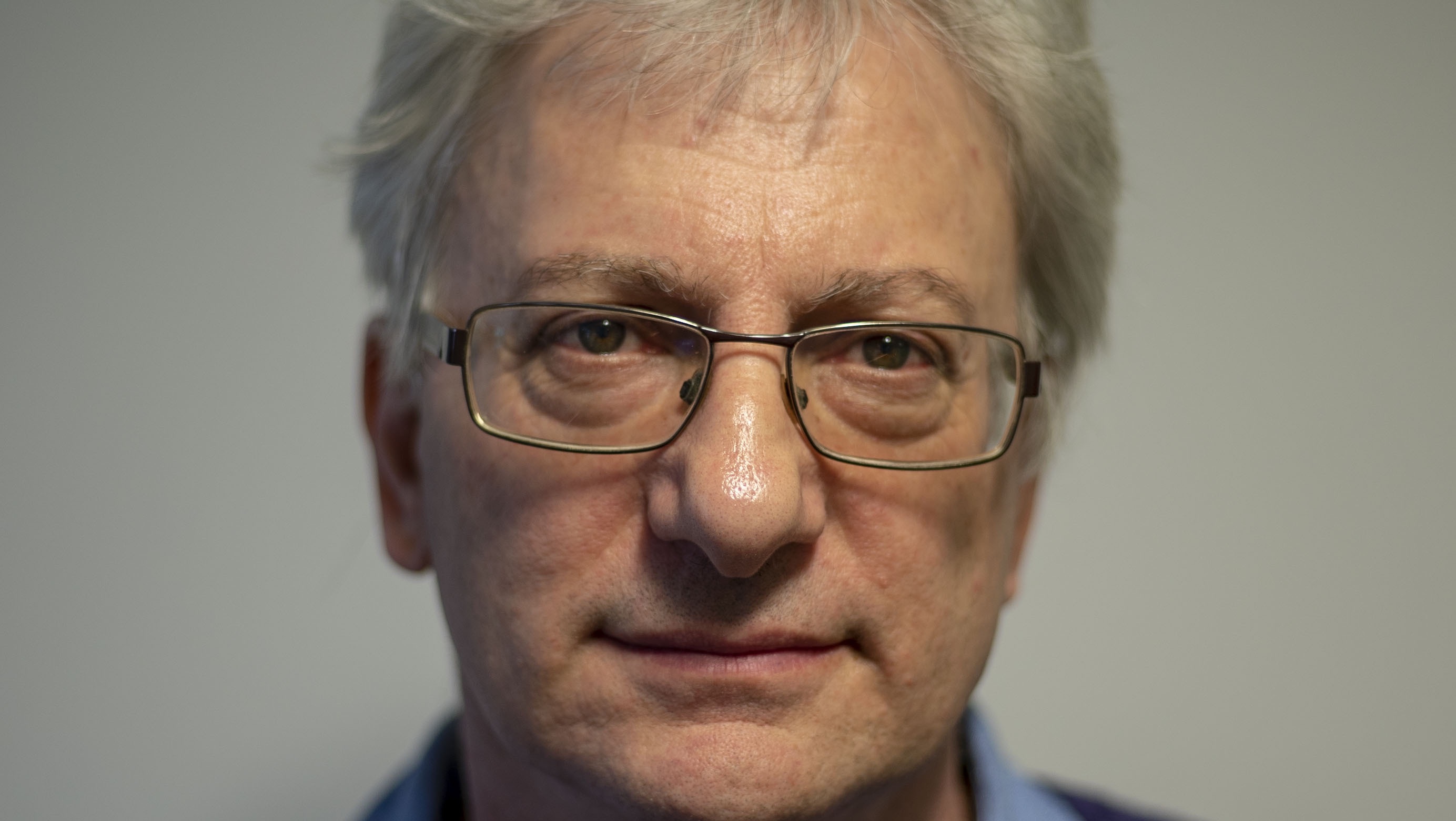
David Hearst
Co-founder and editor-in-chief, Middle East Eye
David Hearst is co-founder and editor-in-chief of Middle East Eye. He is a commentator and speaker on the region and analyst on Saudi Arabia. He was the Guardian's foreign leader writer, and was correspondent in Russia, Europe, and Belfast. He joined the Guardian from The Scotsman, where he was education correspondent.
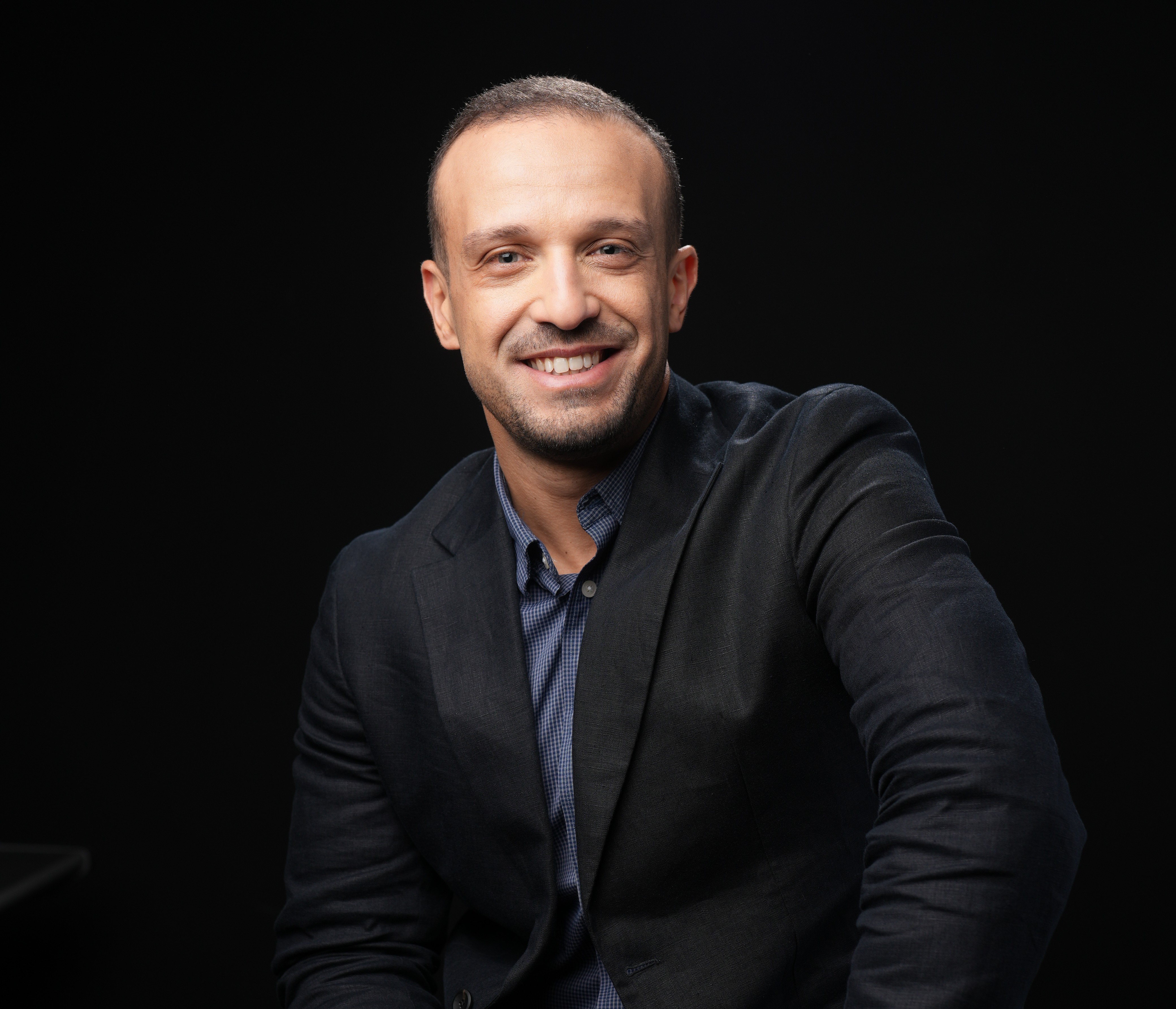
Mohamed Hassan
Executive Producer with the Editorial Directorate, Al Jazeera Media Network
Mohamed Hassan is a journalist, writer and poet from Auckland and Cairo. He is a senior producer and presenter with Al Jazeera English, hosting the history podcast Deja Vu and the award-winning geopolitics series Pinch Point. Hassan has reported on the Middle East, Europe and Asia-Pacific for more than a decade. His investigation into the links between far-right movements in Europe and tech tycoons in the US received two Lovie Awards in 2026, and his podcast series Public Enemy about counterterrorism won a Gold Trophy at the New York Festivals Radio Awards. With his New Zealand-based production company Homegrown Pictures, he created Miles From Nowhere, an acclaimed TV comedy about love, music and mass surveillance from SKY Originals and Red Arrow Studios International. Hassan’s debut poetry collection National Anthem was shortlisted for the 2021 NZ Book Awards, and his bestselling essay collection How To Be A Bad Muslim was published by Penguin Random House in 2022 and shortlisted for a NZSA Heritage Award.
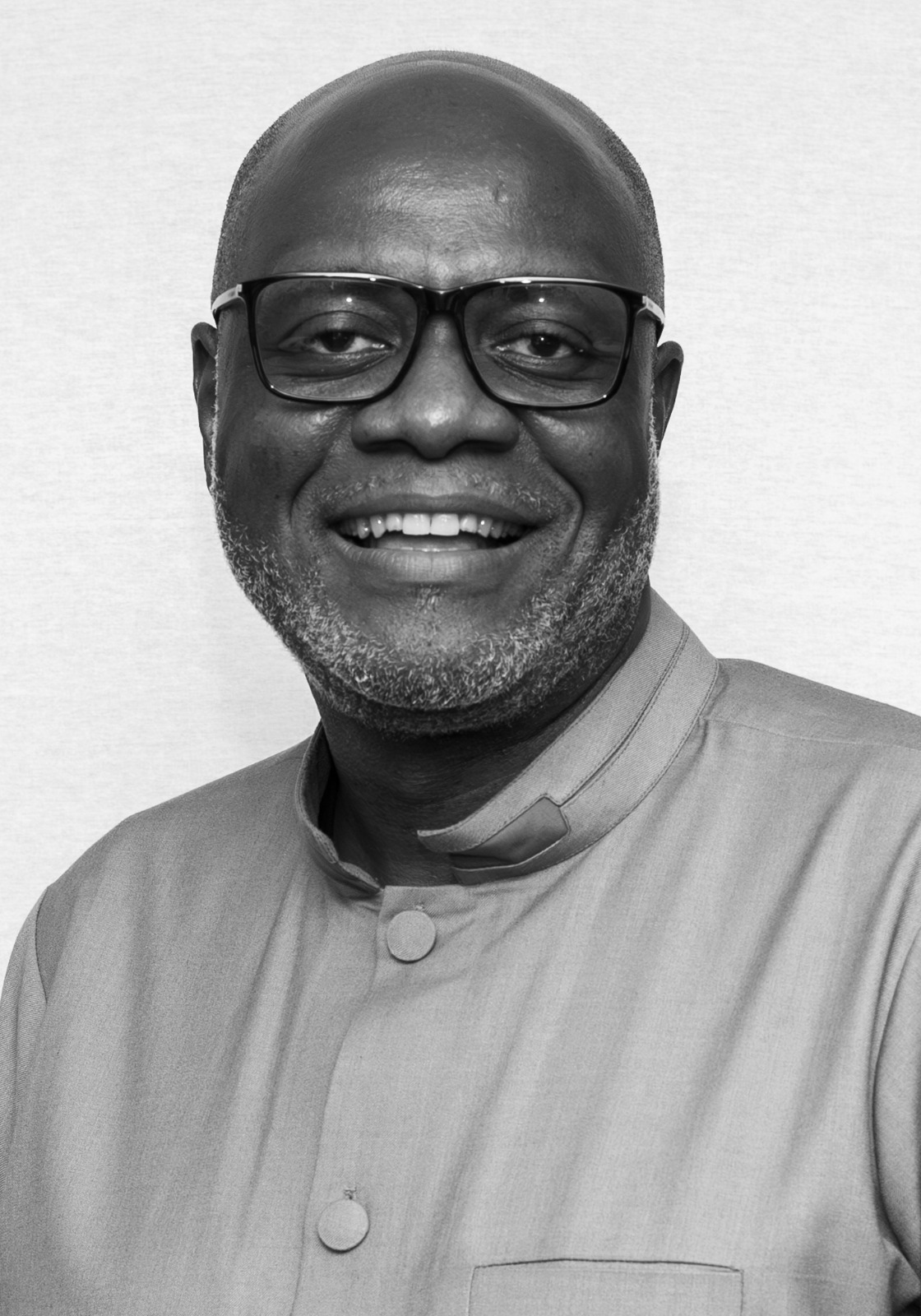
Dr. Paul-Simon Handy
Regional Director East Africa, Representative to the African Union, Institute for Security Studies
Paul-Simon Handy is the Institute for Security Studies’ Regional Director for East Africa and its Representative to the African Union in Addis Ababa. Since 2007 he has held various research and management positions in the Pretoria Headquarters and the Dakar Regional Office, including Deputy Executive Director and Research Director. He has served for 5 years in the United Nations Panel of Experts on the Central African Republic. Paul-Simon has extensive experience in policy analysis, African and global multilateralism, political strategy development and conflict prevention. Paul-Simon studied (Political Science and International Relations) at the universities of Yaoundé, Berlin and Leipzig where he obtained his PhD. He is a visiting lecturer at Rhodes University in Grahamstown (South Africa). He has previously held teaching positions at the Free University of Berlin before joining the Stiftung Wissenschaft und Politik (German Institute for International and Security Affairs) in Berlin as Associate Fellow. He has widely published on issues related to the African Peace and Security Architecture, governance, state fragility as well as African and global multilateralism. Paul-Simon is the Deputy Chair of Nett4Peace, the network of think tanks initiated by the African Union Commission for Political Affairs, Peace and Security. He is on the editorial board of the African Security Review and serves on the boards of various organisations. He has advised various governments, regional and international organisations on a wide range of African and global security matters, including strategy development. Fluent in French, English and German, Paul-Simon has lived and worked in 4 out of Africa’s 5 regions.
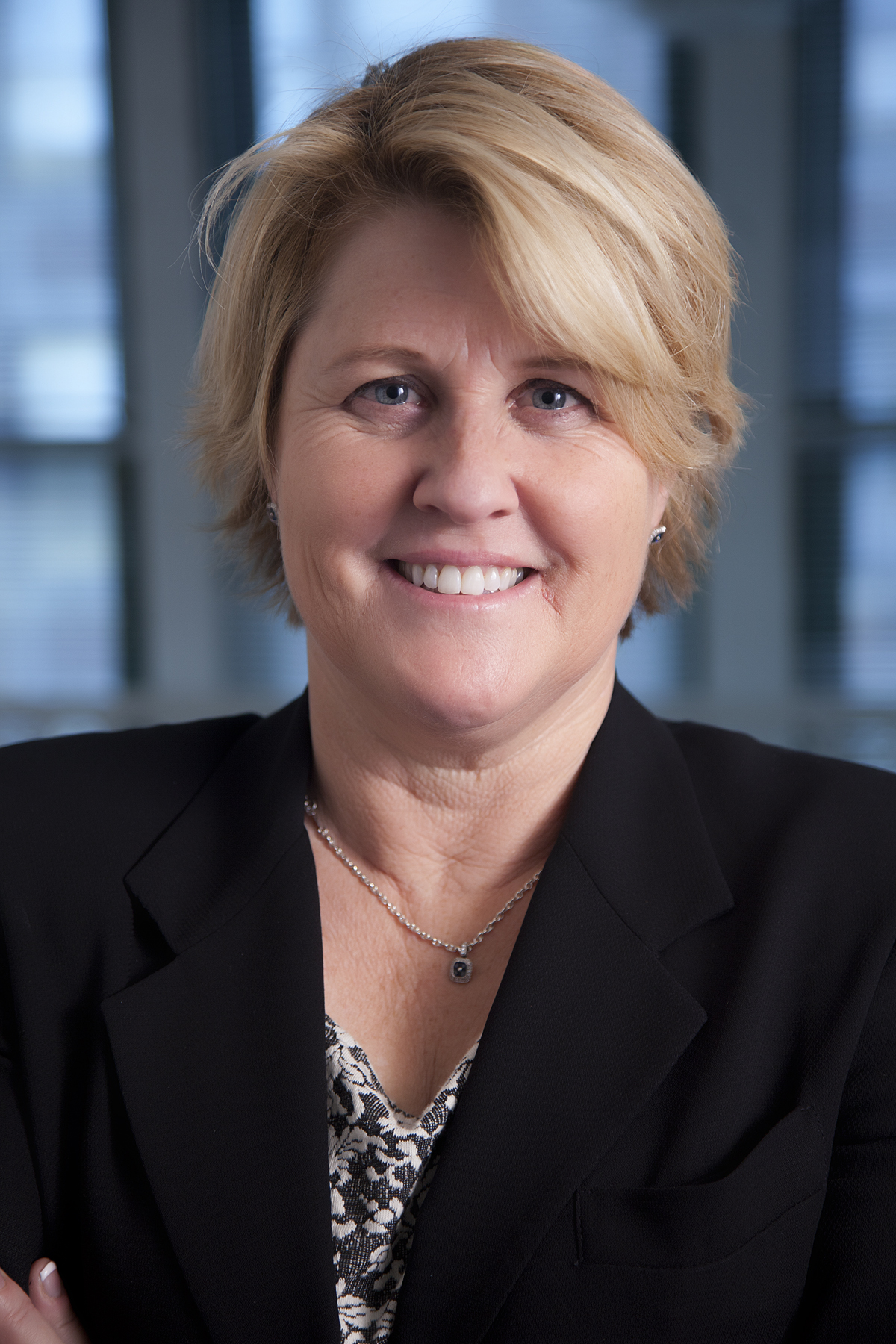
Mary Harvey
Chief Executive Officer, Centre for Sport and Human Rights
Mary Harvey is a sport and nonprofit executive with 20 years leading global initiatives for societal change and gender equity in and through sport. Her work has had lasting impact on empowering girls and women, inclusion of marginalised groups, preventing harassment and abuse, protecting rights and environmental stewardship. Since January 2019, Mary has been Chief Executive of the Geneva-based Centre for Sport and Human Rights. She leads the Centre’s team and strategy, fostering dialogue across the sport ecosystem, from governments, sponsors and broadcasters to sport bodies, event organisers, workers and civil society. Previously, Mary led the human rights strategy for the successful United Bid to bring the 2026 FIFA World Cup to North America. After starting in financial services and consulting sectors, she held senior management positions at FIFA and Women’s Professional Soccer. In 2012, she founded Ripple Effect Consulting, advising social impact organisations on management and governance. Mary spent eight years with the US Women’s National Soccer Team, winning the inaugural FIFA Women’s World Cup in 1991 and Olympic Gold in 1996. She was inducted into the National Soccer Hall of Fame in 2025. Mary holds an MBA from the Anderson School at UCLA and a BS in business administration from UC Berkeley Haas School of Business.
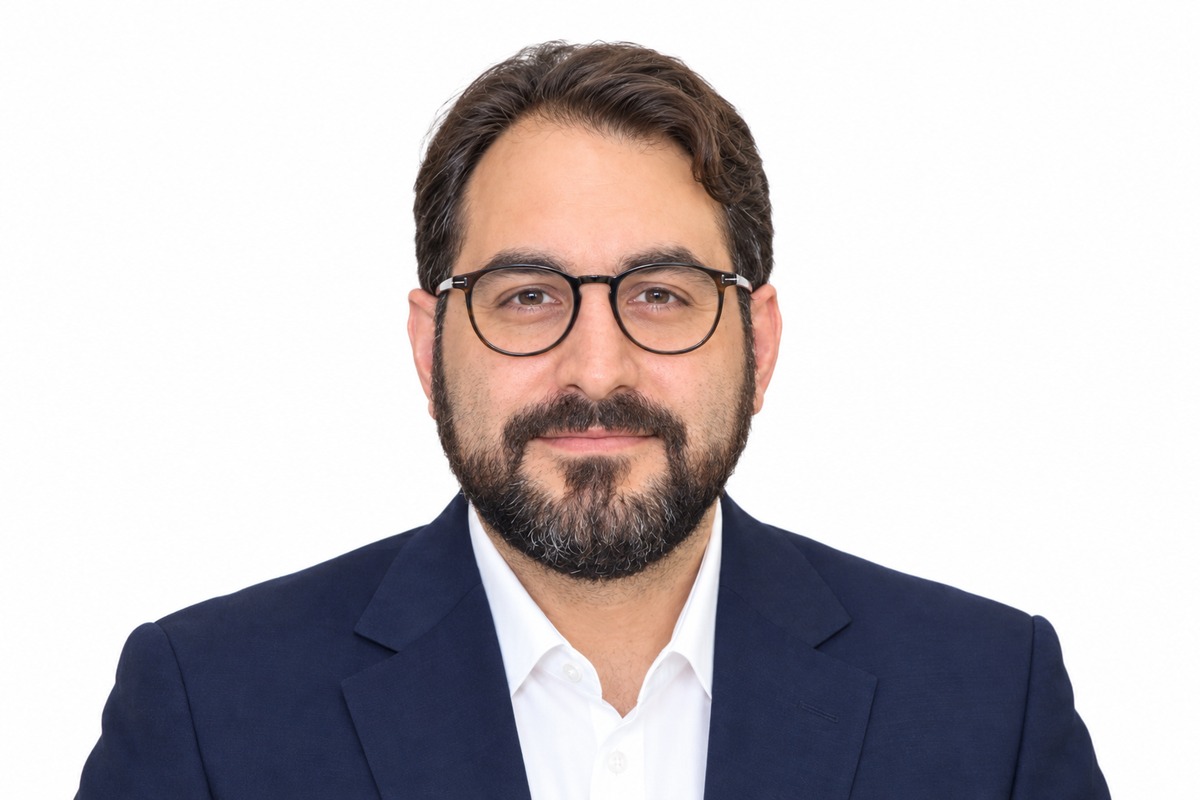
Dr. Sinan Hatahet
Chairman, Syrian Computer Society
Sinan Hatahet is a Syrian entrepreneur and technology and investment professional focused on digital transformation, private-sector development and economic reconstruction. He is the CEO of TechTown, a digital innovation hub in Damascus supporting technology companies, entrepreneurs and organisations through workspace, incubation, acceleration, technical services and talent development. Sinan also serves as Chairman of the Syrian Computer Society (SCS), where he works on advancing Syria’s technology ecosystem and strengthening cooperation between the public and private sectors. He is a co-founder of Workiom, a no-code business application and workflow platform serving organisations across the Middle East and beyond. He is also a General Partner at Invest in Syria (IIS), an investment initiative focused on supporting productive sectors and building locally rooted businesses across Syria. His areas of interest include technology, financial services, logistics, real estate and construction, and manufacturing. Previously, Sinan served as Vice President for Investment and Social Impact at the Syrian Forum and as a Nonresident Senior Fellow at the Atlantic Council, contributing to work on Syria’s economy, business environment and post-conflict reconstruction. He holds a PhD and works across entrepreneurship, technology, investment and economic development, with a particular focus on translating institutional and private-sector opportunities into practical initiatives that contribute to Syria’s economic recovery.
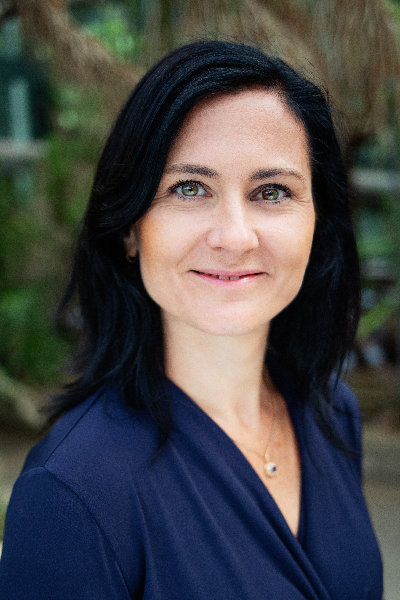
Prof. Sara Hellmüller
Research Professor, Geneva Graduate Institute
Sara Hellmüller is a Research Professor at the Geneva Graduate Institute and Co-Director of the Centre on Conflict, Development and Peacebuilding (CCDP). Her research focuses on UN peace missions, mediation and peacekeeping in different world orders, and the production of knowledge on peace and conflict. Committed to transformative science, she combines rigorous empirical research with engagement in ongoing peace processes. She is a member of the Swiss Women in Peace Processes (SWiPP) network established by the Swiss Federal Department of Foreign Affairs (FDFA).
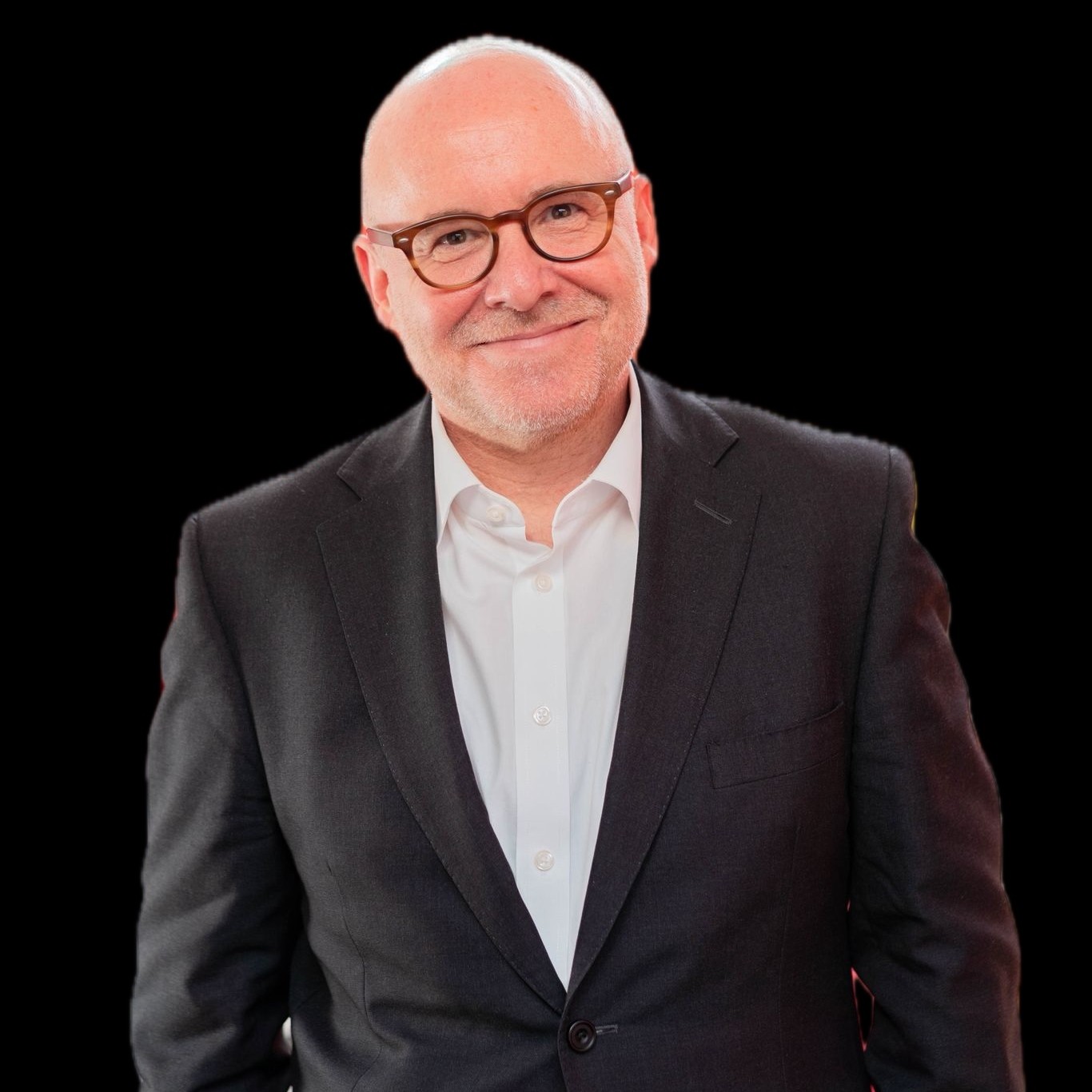
Rt. Hon. Lord Richard Hermer KC PC
Former Attorney General of the UK, United Kingdom of Great Britain and Northern Ireland Government
The Right Honourable Lord (Richard) Hermer KC PC served as Attorney General for England & Wales and Advocate General for Northern Ireland between 2024 and 2026. In his capacity as the UK Government’s most senior lawyer he also served on the National Security Council throughout this period. Called to the Bar in 1993, Lord Hermer took silk in 2009 and was appointed a Deputy High Court Judge in 2019. He is a member of Matrix Chambers and has appeared in numerous cases before the Supreme Court reflecting his practice in international law, human rights and constitutional law. He sits in Parliament as a life peer and is a member of the Privy Council.

Hon. Amos Hochstein
Managing Partner and Former Senior Advisor to the U.S. President for Energy and Investment, TWG Global
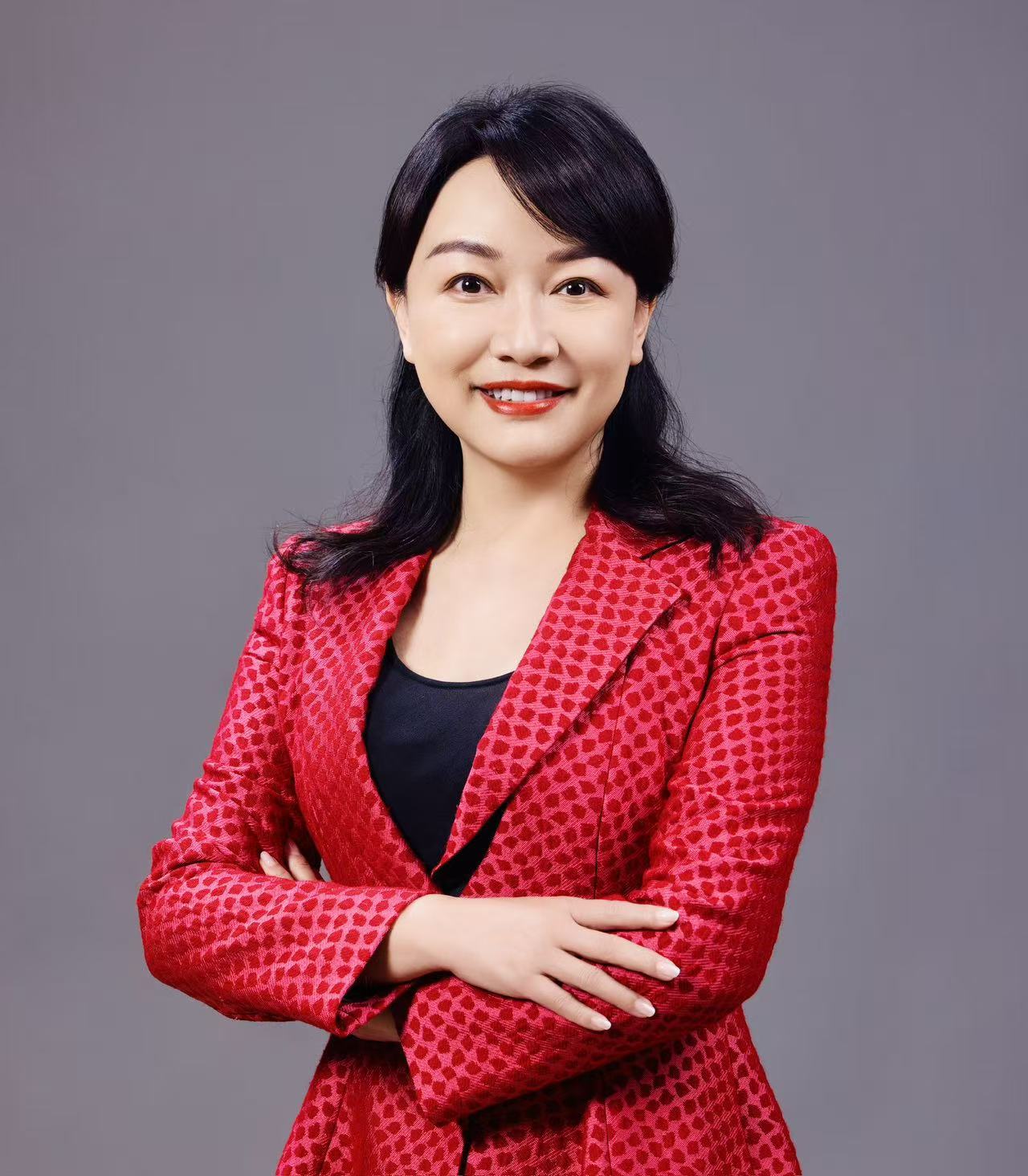
Hua Han
Secretary-General, Beijing Club for International Dialogue
Hua (Helen) Han is the Co-founder and Secretary-General of Beijing Club for International Dialogue. She is the founding board member of China Forum at Tsinghua University, both are dedicated to international communications between China and the world on current affairs. Hua is an experienced journalist and scholar specializing in international politics, as well as a commentator for global media outlets. She previously covered Chinese state leaders’ overseas visits as core member of the official press team and later served as Vice President of News Corp China before establishing her own think tank.She holds B.A. in International Journalism from Shanghai International Studies University and MBA in Media Management from Peking University and Fordham University (joint program).
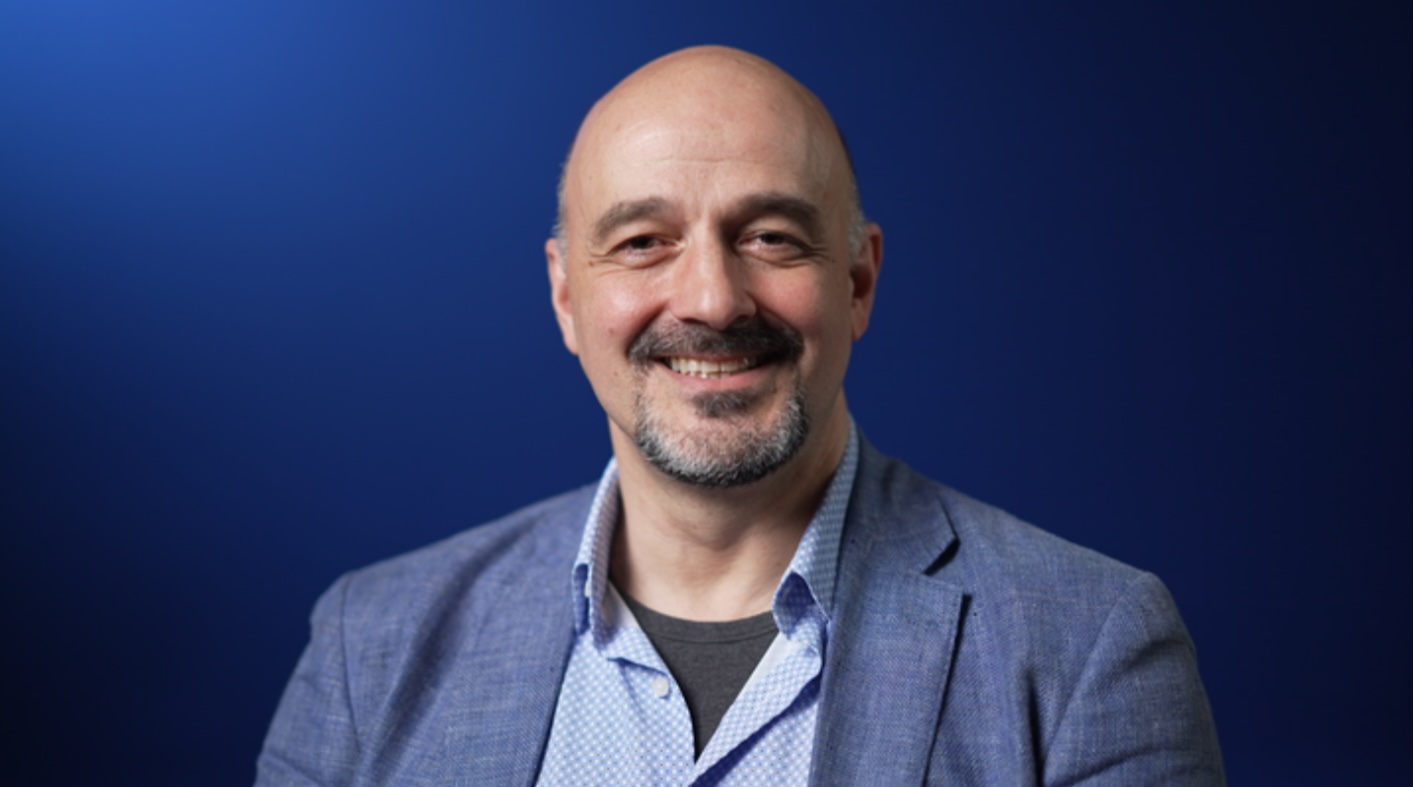
Shamil Idriss
Chief Executive Officer, Search for Common Ground
Shamil Idriss is CEO of Search for Common Ground(Search), an international non-profit organization whose mission is to transform the way the world deals with conflict, away from adversarial approaches toward cooperative solutions. With 400+ staff working in 27 countries, Search is the largest dedicated peacebuilding organization and was nominated by the Quakers for the 2018 Nobel Peace Prize. During his tenure, Idriss has presided over Search’s growth in reach, impact, and influence, including leading multiple merger processes and forging strategic partnerships with UN agencies and global NGOs and corporations. In 2005, Idriss was appointed by then-UN Secretary-General Kofi Annan as Deputy Director of the UN Alliance of Civilizations. He served on the Steering Committee of the World Economic Forum's Council of 100 Leaders and was a recipient of the 2015 Open Society Foundation New Executive Award. He serves on the Boards of Giving Tuesday and Ploughshares Fund.

Izzeldin Hashim Mohammed Idris
Programs Director, SOS Sahel Sudan

Laura Ingraham
The Ingraham Angle Host, Fox News
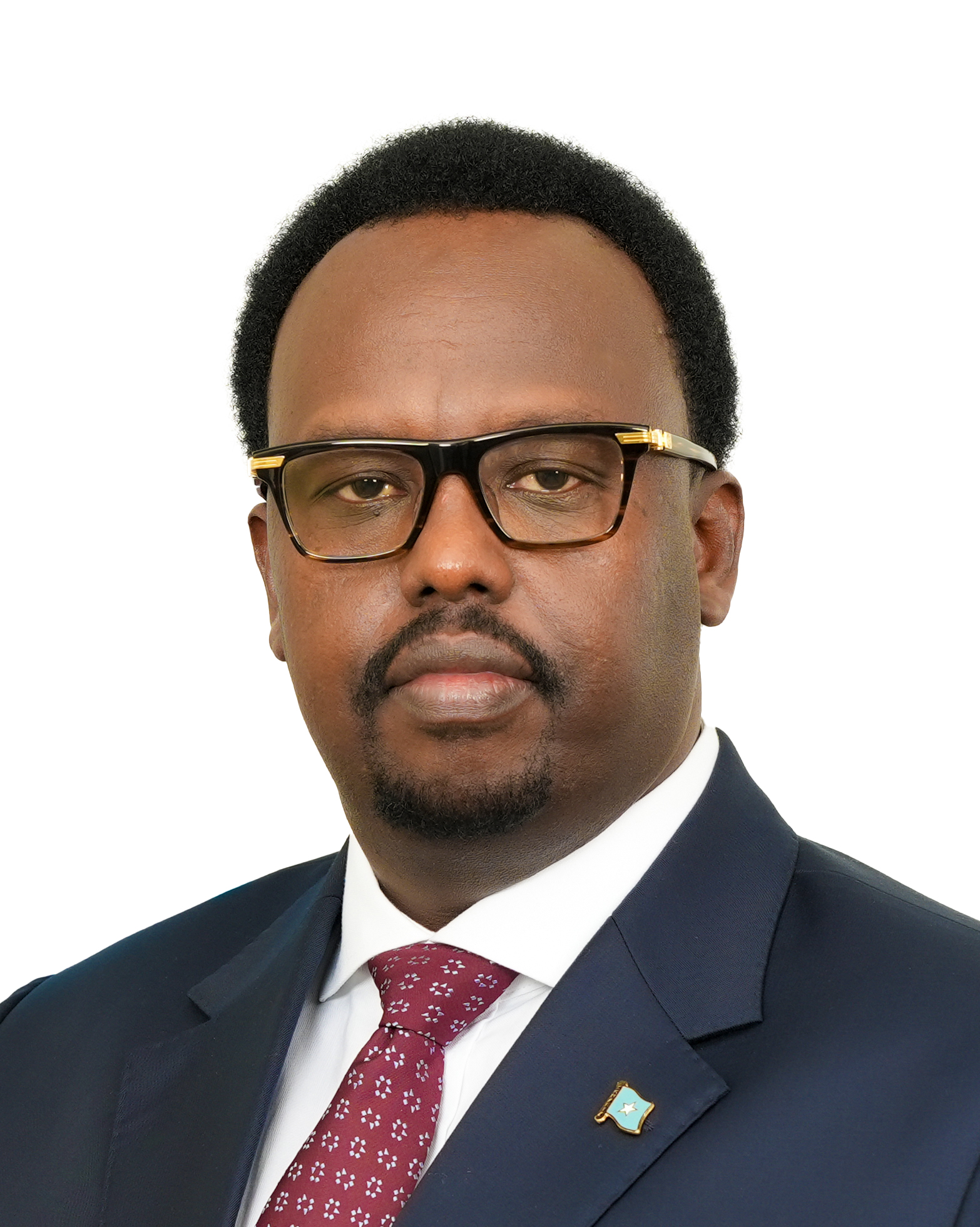
H.E. Salah Jama
Deputy Prime Minister, Federal Republic of Somalia
H.E. Salah Ahmed Jama has served as Deputy Prime Minister of the Federal Republic of Somalia since August 2022. Previously Minister of Labour and Minister of Constitutional Affairs, he has played a significant role in advancing institutional reforms, constitutional review and Somalia’s state-building efforts. He has also served in both chambers of the Federal Parliament. As Deputy Prime Minister, his responsibilities encompass economic development, trade and global economic integration, national stabilisation, governance, social development, climate resilience and food security. He holds bachelor’s and master’s degrees from Carleton University, Canada, and has a research background in peacebuilding and state-building
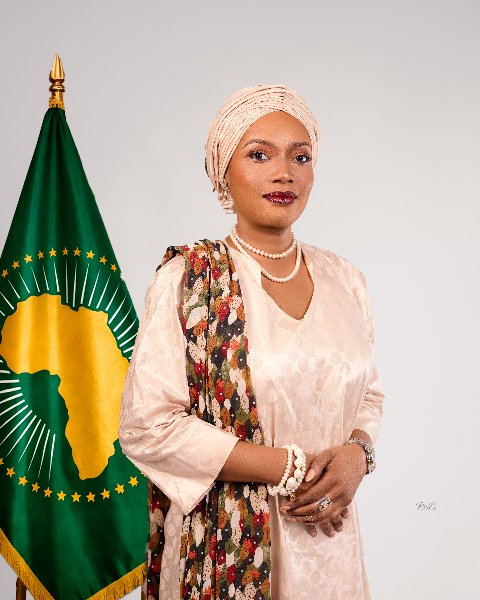
H.E. Ambassador Jainaba Jagne
African Union Special Envoy on Children Affected by Armed Conflict, African Union
Ambassador Jainaba Jagne is the African Union Special Envoy on Children Affected by Armed Conflict, appointed in January 2026. In this capacity, she provides high-level political leadership, strategic advocacy, and continental coordination to advance the protection and promotion of the rights and welfare of children affected by armed conflict across Africa. Prior to her appointment, Ambassador Jagne served as Permanent Secretary at The Gambia’s Ministry of Higher Education, Research, Science and Technology from February 2025 to January 2026. She previously served as The Gambia’s Permanent Representative to the African Union and United Nations Economic Commission for Africa. Concurrently she was Ambassador to Ethiopia and Kenya. Ambassador Jagne was a member of the African Union Peace and Security Council from 2022 for two terms. During her diplomatic tenure, she co-chaired the Africa Platform on Children Affected by Armed Conflict. She also co-chaired the Group of Friends of the African Women Leaders Network and was a founding member of the International Humanitarian Law Caucus Group of Ambassadors. In 2017, Ms Jainaba Jagne was appointed as Gambian Ambassador Extraordinary and Plenipotentiary to India and Bangladesh. Her Excellency Jagne initiated bilateral relationships for The Gambia with Maldives and Sri Lanka, and was Ambassador-designate to both countries, as well as Myanmar. She holds an MA in Research Methods from Durham University and a Certificate in Global Diplomacy from SOAS, University of London. She is a PhD candidate and Fellow of the International Academy for Gender and Peace at the University of Liberia.
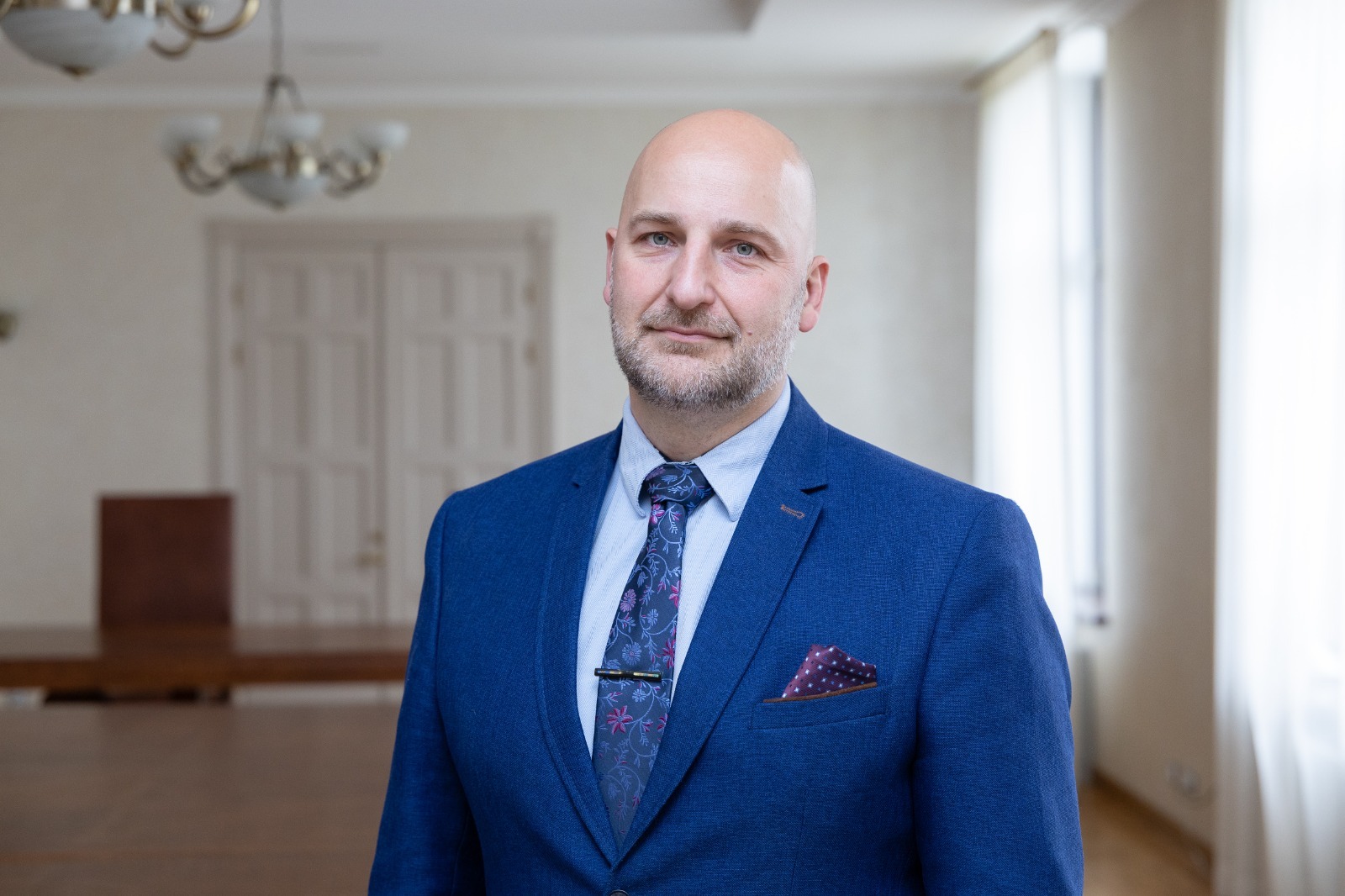
H.E. Ģirts Jaunzems
Minister of Foreign Affairs, Republic of Latvia
Ģirts Jaunzems was appointed Latvia’s Minister of Foreign Affairs on 17 November 2026. A career diplomat, he joined the Latvian Foreign Service in 1999. Before his appointment, he served as Latvia’s Ambassador to Uzbekistan, Turkmenistan and Tajikistan. From 2022 to 2025, he led the Ministry’s work on foreign trade and the promotion of Latvia’s economic ties abroad. His earlier diplomatic assignments included serving as Deputy Head of Mission at Latvia’s embassies in Greece and Italy and as Counsellor at the Latvian Embassy in Russia. He also held positions in legal and consular affairs at the Ministry of Foreign Affairs. He holds a master’s degree in law from the University of Latvia and is fluent in English and Russian and has a working knowledge of Italian.
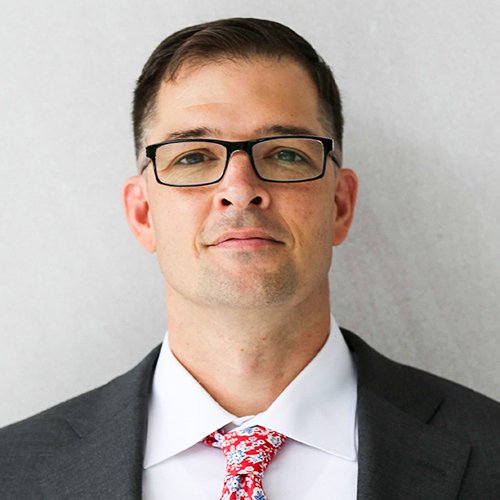
Dr. Benjamin Jensen
Director, Future Lab
Dr. Benjamin Jensen is a senior fellow in the Defense and Security Department and the director of the Futures Lab at the Center for Strategic and International Studies (CSIS). At the Futures Lab, he leads multidisciplinary research combining advanced wargaming, data science and emerging artificial intelligence workflows to examine complex challenges in modern warfare, deterrence and great power competition. Outside of CSIS, he serves as the executive director of the National Commission on the Future of the Navy and is a former professor of strategic studies and the Frank E. Petersen Chair for Emerging and Disruptive Technology at the Marine Corps University School of Advanced Warfighting. He previously served as the senior research director and lead author for the U.S. Cyberspace Solarium Commission. Across a career bridging academia, policy and military operations, Dr. Jensen has advised the Defense Advanced Research Projects Agency (DARPA), the Joint Staff, U.S. Army Futures Command and the intelligence community on force design and campaign analysis. He is a colonel in the U.S. Army Reserve with over two decades of service, having commanded units from the platoon to the battalion level, including an operational deployment to Afghanistan. Dr. Jensen is the author of several books on military innovation and strategy, including Information in War (Georgetown University Press), Cyber Strategy (Oxford University Press), Forging the Sword (Stanford University Press) and Military Strategy in the 21st Century (Cambria Press). He holds a Ph.D. and M.A. from American University and master's degrees from the U.S. Army War College and National Intelligence University.
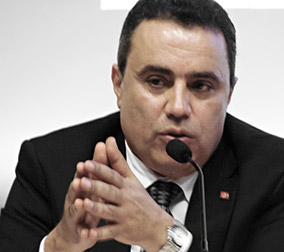
Mehdi Jomaa
Former Prime Minister of Tunisia and Member, Club de Madrid
Mehdi Jomaa is a former Prime Minister of Tunisia who, as head of government, was in charge of completing the transition process with the ultimate objective of anchoring the country towards a democratic way. Mehdi Jomaa was born in Mahdia, Tunisia, in April 1962; he received his Master’s Degree in Engineering in Tunisia (ENIT). As CEO of Hutchinson Aerospace Division and Member of the Executive committee along 25 years spent at Hutchinson, he worked on several programs dealing with aerospace industries, developing solid strategy, international business management, organization change and transformation leadership. The switch from corporate to political career began in March 2013, when he was appointed Minister of Industry in Tunisia. In this capacity he initiated several policy changes including a new energy strategy with an increasing mix of renewable, high-added value industrial policy, rationalisation of energy subsidies, culture change and social responsibility in Tunisian large industrial groups. In January 2014 and after several months of an acute political crisis, which stalled the transition process, he was elected by the National Dialogue Committee to lead the country and became the Head of Government. As Head of Government, he introduced a new and innovative governance procedure based on a trilogy of “vision, strategy and leadership”. During his tenure in office, Mr Jomaa restructured and enhanced the capabilities of the security apparatus for a more efficient response to terrorism, launched the national economic dialogue to build national consensus around priority fiscal and structural reforms. In September 2014 he organised a major investment conference entitled “Invest in Tunisia: Start-up Democracy”. Mr. Jomaa is founder of a think tank “Tunisia Alternatives” aiming to work on various policy reforms and provides a high-level technical expertise on Reforms processes and Social Policies. Furthermore, he is holder of decorations of the Tunisian Order of the Republic and the German Order of Merit. He was awarded the 2014 Amadeus “Man of the Year” distinction from Morocco.
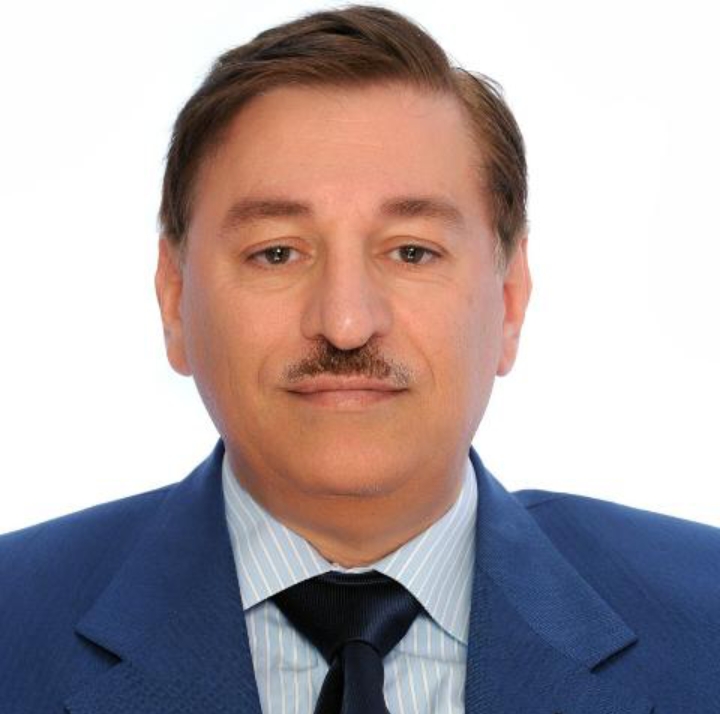
Dr. Nawaf Kabbara
President, The International Disability Alliance (IDA) and The Arab Organization of Persons With Disabilities (AOPD)
Dr. Nawaf Kabbara is the President of the International Disability Alliance (IDA). He is also the President of the National Association for the Rights of PWDs in Lebanon and the President of the Arab Organization of PWDs. By profession, Dr. Kabbara was an associate professor of political science in the University of Balamand. His main research and writings are on disability rights, discourse analysis, and Lebanese politics especially on the period of Fouad Shehab presidency. Dr. Kabbara is a well known activist for disability rights World Wide and an anti war and violence actor. He is very well known for leading the march against the war in Lebanon by PWDS in 1987. Dr. Kabbara was involved in the negotiations for the CRPD and in the launching of the first and second Arab decade on disability. He was one of the founder of the Lebanese Center for policy studies and the Lebanese Association for Democratic Elections. He was also the head of the human rights committee in the Socio Economic Council in Lebanon.
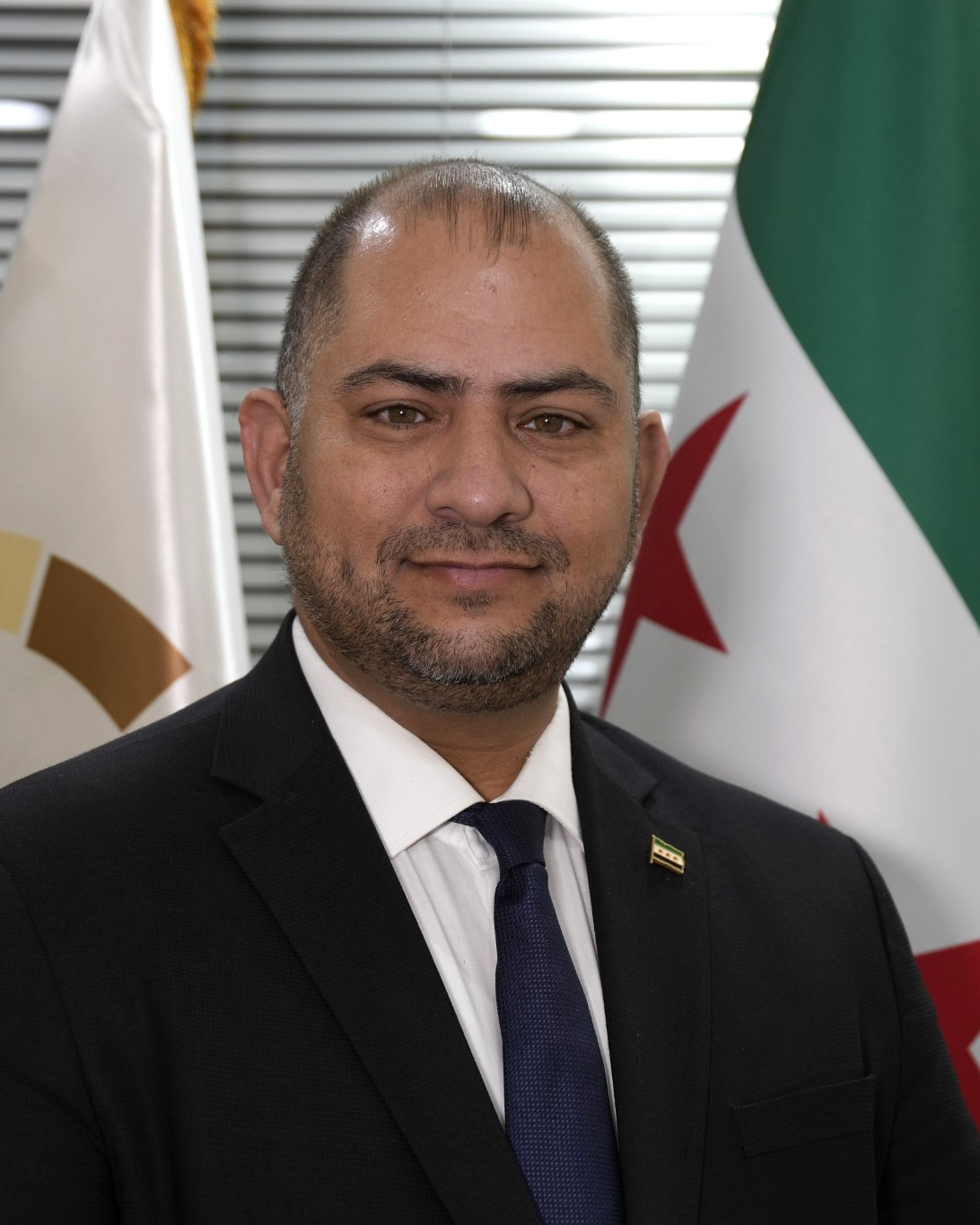
Dr. Ammar Kahf
Executive Director, Omran Center for Strategic Studies
Dr. Ammar Kahf is the Co-Founder and Executive Director of the Omran Center for Strategic Studies, an independent Syrian public policy research center established in 2013 and headquartered in Damascus. Omran operates as part of the Syrian Forum and specializes in public policy analysis and the production of applied, field-based knowledge to support decision-makers, public institutions, and societal actors in addressing Syria’s political, security, and development challenges. The Center works through a broad network of researchers and experts inside and outside Syria, with research and institutional networks in Türkiye, the United States, and Jordan. Dr. Kahf also serves on the Board of the Syrian Forum, a non-profit civil society organization focused on empowering Syrian communities and supporting pathways toward stability and development through programs in relief and development, education, economic empowerment, and policy research. He holds a PhD in Political Science and Islamic Studies from the University of California, Los Angeles (UCLA), awarded in 2011. His research focuses on political transition, state-building, governance, and local administration in Syria, alongside the geopolitical dynamics of the Middle East. He regularly contributes to strategic dialogues, Track II and other informal dialogue processes, and regional and international policy forums addressing Syria and the wider region. I would use this version for conferences, institutional profiles, diplomatic meetings, and international policy forums.
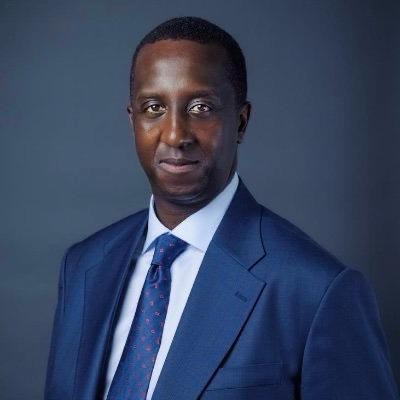
Itonde Kakoma
President & Chief Executive Officer, Interpeace
Itonde A. Kakoma is the President and CEO of Interpeace. Prior to, he was the Permanent Representative of the International Federation of the Red Cross & Red Crescent Societies (IFRC) to the African Union and International Organizations (2021-2023). Previously, he served as Director for Global Strategy and member of the leadership team at CMI Martti Ahtisaari Peace Foundation. Additionally, Mr. Kakoma was the Assistant Director for the Conflict Resolution Program at The Carter Center, managing a portfolio of the Center’s peace initiatives and supporting former President Carter’s backchannel diplomatic efforts. He is Co-Chair of the Women Peace and Security Working Group of the International Gender Champions; Chair of the Conflict Resolution Working Group of Diplomats Without Borders; and Executive Board Member of the Geneva Peacebuilding Platform. He is an experienced facilitator and moderator for high-level peace processes and dialogue fora; and has expertise in mediation, negotiation, humanitarian diplomacy and transitional justice.

Prof. Amb. İbrahim KALIN
Director of the Turkish National Intelligence Organization, Republic of Türkiye
İbrahim Kalın was born in 1971 in Istanbul. After his graduation from Istanbul University Department of History, he earned his master’s degree at the International Islamic University Malaysia. He was conferred the title of Doctor at the George Washington University in 2002 and Professor at İbn Haldun University in 2020. He gave lectures at several universities including Georgetown, Bilkent, and İbn Haldun Universities. He became a member of board of overseers at Ahmet Yesevi International Turkish-Kazakh University and Turkish-Japanese Science and Technology University. He established and chaired SETA Foundation (Political, Economic, and Social Research Foundation) in 2005. İbrahim Kalın wrote several papers, articles, and books, which have been translated into several languages and published on international academic media; presented papers at various councils, congresses, conferences, and panels; and contributed in workshops. İbrahim Kalın wrote articles and books in disciplines such as the Turkish foreign policy, politics, philosophy, and history, and contributed to literature in these fields with his recent works.Apart from his assignment as Director of the National Intelligence Organization in June 2023, from 2009 onwards İbrahim Kalın also served as Chief Foreign Policy Advisor to the Prime Minister , Coordinator of the Office of Public Diplomacy, of which he was also a founder, Deputy Undersecretary for Foreign Relations and Public Diplomacy at the Office of the Prime Minister, Deputy Secretary General Responsible for Strategy and International Relations at the Office of the President, Acting Chairman of the Presidential Council for Security and Foreign Policies, and Chief Advisor for Security and Foreign Policies at the Office of the President, respectively. In addition to his duties in bureaucracy, he also continued to serve as Presidential Spokesperson, a position he had assumed in 2014 with the title of ambassador, until he was appointed as Director of the National Intelligence Organization. İbrahim Kalın speaks English, Arabic, Farsi, and French.

Dr. Agnes Kalibata
Former President, AGRA

Michael Keating
Executive Director, The European Institute of Peace
Michael Keating is Executive Director at the European Institute of Peace, an independent body that works with a broad range of local and international actors including the European Union, European states and civil society to design and deliver action on conflict prevention, resolution and mediation. Until late 2018, he served as the Special Representative of the Secretary-General (SRSG) and Head of the United Nations Assistance Mission in Somalia. Prior to that, he was an Associate Director at Chatham House in London, where he initiated a range of initiatives on topics including Afghanistan, natural resources and conflict, access to energy for refugees and the displaced, and humanitarian engagement with non-state armed groups. His UN career has included assignments in Kabul as deputy SRSG, in Lilongwe, Jerusalem/Gaza, New York, Geneva, Islamabad and Mogadishu. He headed the team that formulated the Human Rights Up Front agenda for the Secretary General. He has long been an advocate for action on climate change and environmental degradation including for conflict prevention and resolution. His early career was in the private sector; he has directed a number of non governmental organisations, including the Africa Progress Panel, a policy group chaired by Kofi Annan. He has written for a variety of journals, newspapers, and other publications, including as co-editor of ‘War and Peace in Somalia: National Grievances, Local Conflict and Al-Shabaab’. He was born in Uganda, educated in the UK and has a Master of Arts in History from the University of Cambridge.
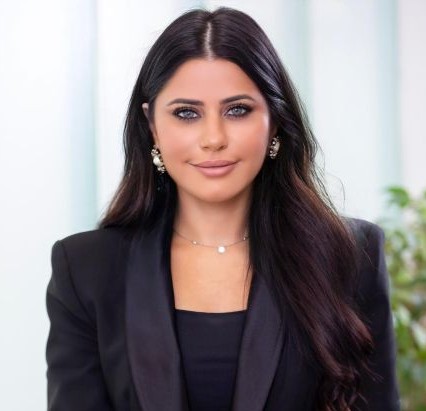
Lana Khalaf
General Manager Microsoft Middle East and Africa Public Sector, Microsoft
Lana Khalaf is the Regional Public Sector Director for Microsoft Middle East and Africa (MEA), leading digital and AI transformation and driving strategic partnerships that advance national digital agendas, modernize education, and foster inclusive economic growth. Previously, she served as General Manager of Microsoft Qatar, becoming the first and youngest woman to lead the organization, while also serving as Regional Director for Education. With over 23 years of technology experience, Khalaf has helped governments and organizations harness technology to transform industries, economies, and communities. Her leadership spans landmark initiatives including Smart City programs, national education and health transformation, the digital enablement of the FIFA World Cup, Microsoft cloud datacenter launches, and large-scale AI and cloud transformation programs. She also launched a Digital Center of Excellence focused on developing future-ready digital and AI skills. Khalaf holds an MBA in Leadership from Lebanese American University, a bachelor’s degree in Computer Science from the American University of Beirut, and an AI Leadership Certificate from INSEAD. Recognized by Forbes among the 100 Most Powerful Businesswomen in 2024 and 2025, she continues to champion innovation, education, AI transformation, and women’s leadership.
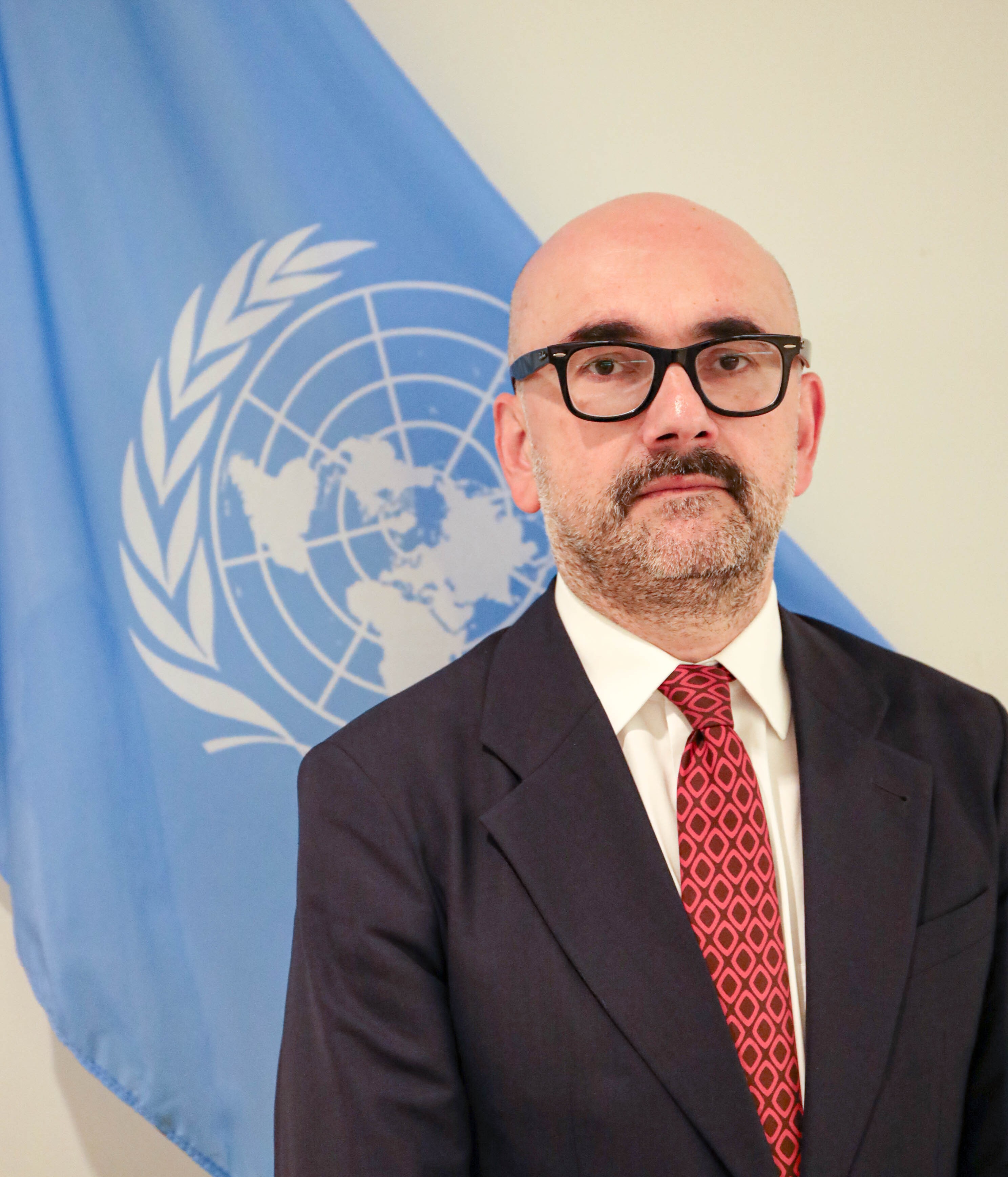
Asif Khan
Director of the Policy and Mediation Division, UN Department of Political and Peacebuilding Affairs
Asif R. Khan is Director of the Policy and Mediation Division in the UN Department of Political and Peacebuilding Affairs since 2022. He was previously Chief, Mediation Support and Gender, Peace and Security in DPPA for five years, overseeing UN support to mediation processes around the world. From 2012 to 2017, Asif Khan was Officer-in-Charge / Deputy Director of the Secretary-General's Political, Peacekeeping, Humanitarian and Human Rights Unit. Over three decades, he has served in UN special political missions and peacekeeping operations in Haiti, the Democratic Republic of the Congo, Israel-Palestine, Kosovo and Bosnia-Herzegovina, as well as at UN Headquarters in the office of three Secretaries-General and the Departments of Political Affairs and of Peacekeeping Operations, in New York and Geneva. In 2026, the Secretary-General appointed him to lead a strategic review of MINURSO, the UN mission for the Referendum in Western Sahara (S/2026/811, 14 October 2026). Asif Khan earned a BA and MA from Columbia University, and an MBA from the University of Toronto. He has taught as adjunct lecturer at Columbia University and was a visiting fellow at the Norwegian Institute of International Affairs in 2021-22, publishing “When Great powers behave: Mediation lessons from the Cambodia peace process” (NUPI/HD, 2022).
Dr. Amina Khan
Director, Centre for Afghanistan, Middle East and Africa, Institute of Strategic Studies Islamabad
Dr. Amina Khan is the Director of the Centre for Afghanistan, Middle East & Africa (CAMEA) at the Institute of Strategic Studies (ISSI), Islamabad, where she oversees the Centre’s research, policy engagement, and advocacy on Afghanistan, the Middle East, Africa, terrorism, and regional strategic affairs. Prior to assuming this role, she served as a Research Fellow and subsequently as a Senior Research Fellow at ISSI, specializing in Afghanistan, the Middle East, and terrorism. With over two decades of research and policy experience, Dr. Khan has published and presented her research at numerous national and international forums. She is also the author of five edited books: The COVID Challenge and its Impact on the Middle East and Africa (2021), The Evolving Situation in Afghanistan: International and Regional Perspectives (2022), Pakistan’s Strategic Frontiers (2023), The Return of the Taliban: International and Regional Perspectives(2024) and an upcoming book, Shifting Alliances: Connectivity and Trade in an Evolving Regional Landscape ( October 2026), Transnational Terrorism: From Afghanistan to Africa (2025) and an upcoming book, titled ‘Shifting Alliances : Security, Connectivity and Trade in an Evolving Regional Landscape ‘ to be published in 2026 . Dr. Khan is a recipient of the prestigious OSI/FCO Chevening Scholarship (2009–2010). She holds an MSc in Democracy, Politics and Governance from Royal Holloway, University of London, and an MSc in Defence and Strategic Studies from Quaid-i-Azam University. She was a Visiting Fellow at German Institute for International and Security Affairs (SWP) in 2011. Dr. Khan earned her PhD in Defence and Strategic Studies from Quaid-i-Azam University.
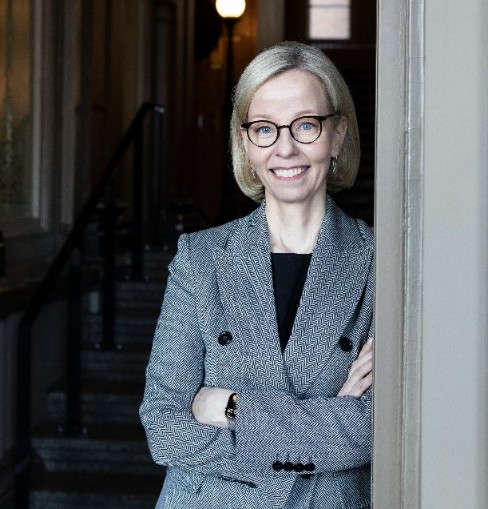
Hanna Klinge
Acting CEO, CMI - Martti Ahtisaari Peace Foundation
Hanna Klinge serves as Acting CEO of CMI – Martti Ahtisaari Peace Foundation, an independent organization advancing peace through dialogue and mediation, since October 2026. Deputy CEO since 2021, she oversees global operations and core functions, including strategy, communications, fundraising, governance and administration. As Acting Executive Director in 2020–2021, she led CMI’s transition to a foundation and the development of Strategy 2030. She brings extensive experience in international relations, organizational leadership and building strategic alliances across public, private and civil society sectors. Previously, she was Country Director of the British Council Finland, leading international programmes and policy dialogue. She holds an Executive Master in International Negotiation and Policy-Making from the Geneva Graduate Institute and an MA in Cultural Studies and Social Sciences from the University of Helsinki. She serves on the Board of the Peace Dividend Initiative (CH) and is a Fellow of the Royal Society of Arts (UK).

H.E. Elmedin Konaković
Minister of Foreign Affairs, Republic of Bosnia and Herzegovina
Mr. Konaković was born in Sarajevo in 1974. He obtained a Master of Arts degree in Sports Management from the University of Sarajevo, Faculty of Sport and Physical Education. Mr. Konaković is fluent in English, Italian and Romanian. He is married and a father of two daughters.Professional career in sports:As a professional basketball player he performed in Bosnia and Herzegovina and abroad. He was a player and team captain of the „Bosna“ Basketball Club from Sarajevo and continued his international sports career performing for clubs from Slovenia, Italy, Hungary and Romania.In 2002, he was appointed manager of the Bosnia and Herzegovina Men National Basketball Team and between 2003 and 2007 he managed the „Bosna“ Basketball Club.From 2013 to 2016 Mr. Konaković was president of the Management Board of the Basketball Association of Bosnia and Herzegovina.Political career:Mr. Konaković became politically engaged in 2004. He was elected in the Municipal Council of the Centar Sarajevo Municipality. In the period 2010 to 2014 he was elected representative in the Sarajevo Canton Assembly. In the period from 2018 to 2022 he was both - Sarajevo Canton Assembly representative (Chairman of the Assembly) and a delegate in the House of Peoples, Parliament of the Federation of Bosnia and Herzegovina.Between 2015 and 2018, Mr Konaković served as the Prime Minister of the Canton Sarajevo.In 2018 he founded the political party People and Justice (Narod i Pravda) and was elected as the Party President at the Founding Assembly in March 2018. His mandate was confirmed in November 2021 at the Party's First Congress.At the General Elections 2022 in Bosnia and Herzegovina he was elected to the House of Representatives of the Parliament of the Federation of Bosnia and Herzegovina. Mr. Konaković assumed the office of Minister of Foreign Affairs of Bosnia and Herzegovina on January, 26 2023.

Maroun Kairouz
Managing Director, World Economic Forum
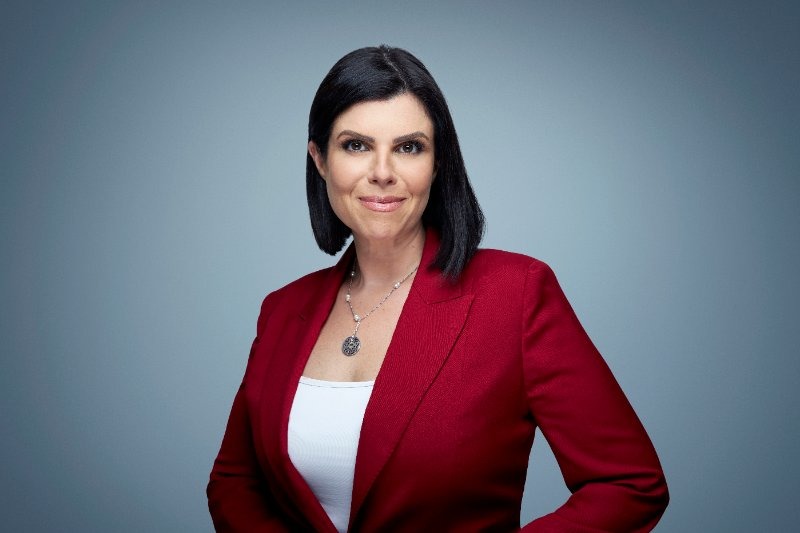
Jomana Karadsheh
International Correspondent, CNN
Jomana Karadsheh is an award-winning CNN International Correspondent based in London. For more than two decades, she has reported extensively from countries across the Middle East and North Africa and has been integral to the network’s coverage of every major story out of this region.

Ghassan Kosta
Regional General Manager, Google Cloud
A seasoned technology leader with over 20 years of experience, Ghassan Kosta is spearheading Google Cloud's expansion and impact across Qatar, Oman, Bahrain, and Iraq. As Regional General Manager, he is responsible for driving cloud adoption and fostering strategic partnerships to empower businesses and organizations with Google Cloud's cutting-edge technologies. Since joining Google Cloud in 2020, Ghassan has played a pivotal role in establishing the company's presence in the region, including the launch of the new Google Cloud region in Qatar. He is passionate about leveraging technology to accelerate digital transformation and economic growth, working closely with enterprises and public sector entities on impactful projects. Prior to Google Cloud, Ghassan held leadership positions at renowned multinational organizations such as EMC and Dell Technologies, where he honed his expertise in building high-performing teams and driving significant revenue growth. Ghassan holds a bachelor's degree in Computer and Communications Engineering from Notre Dame University and an executive program certification in Management Excellence from Harvard Business School.
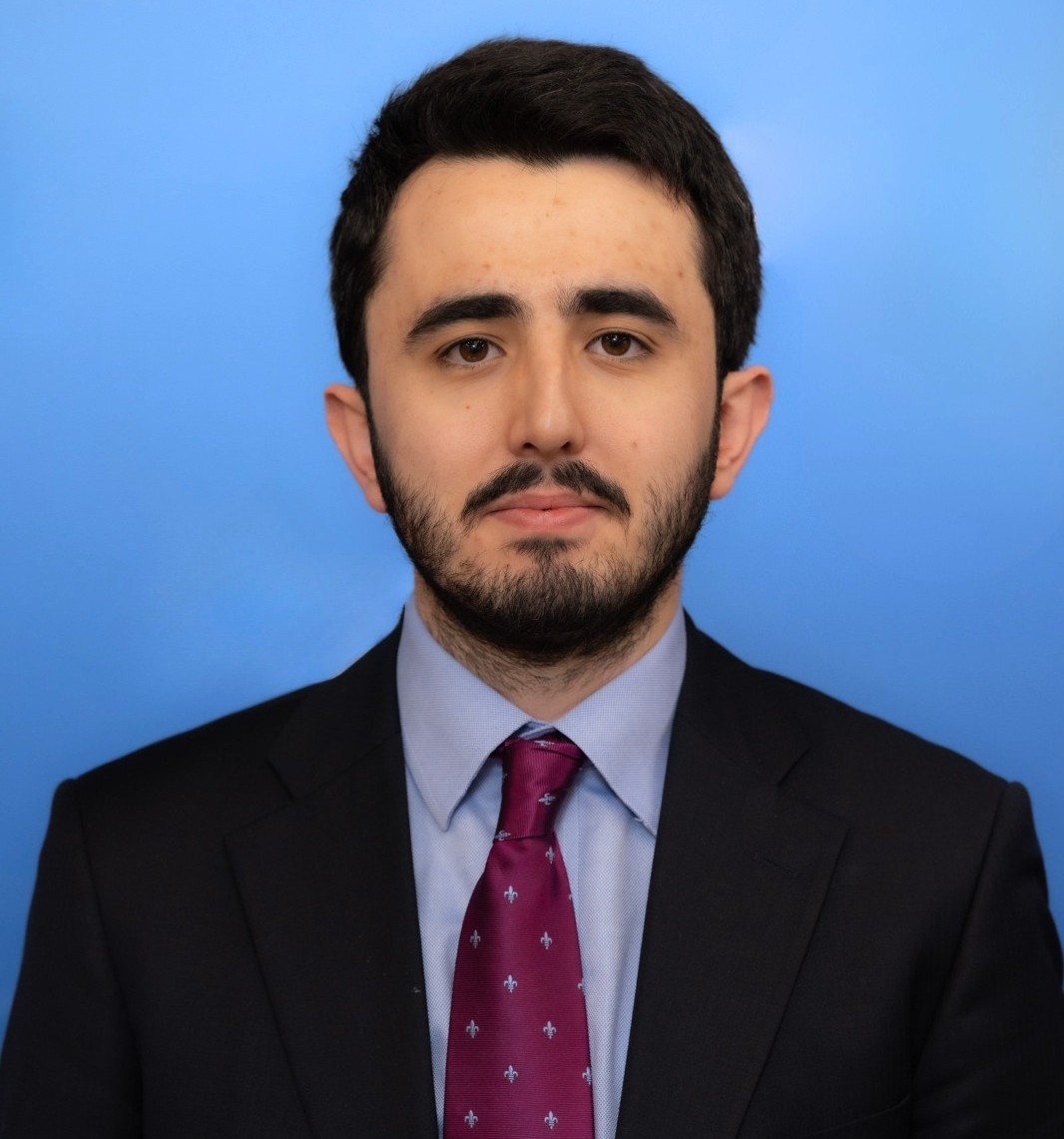
Bedirhan Kir
Graduate Assistant and Ph.D. Student, American University School of International Service
Bedirhan Kir is a research assistant at SETA Washington and a PhD student at American University’s School of International Service (SIS) in Washington, DC. He completed his undergraduate education at Boğaziçi University, where he double-majored in Political Science and International Relations and History. He received his master’s degree from the Atatürk Institute for Modern Turkish History at Boğaziçi University. His master’s thesis focused on Turkey’s faith-based diplomacy in the Middle East.Prior to his doctoral studies, he worked as a research and teaching assistant at Marmara University. He also served as Deputy Chief of Staff to the Speaker of the Turkish Parliament for two years.

H.E. Musa Kulaklıkaya
Deputy Minister, Ministry of Foreign Affairs, Republic of Türkiye

Dr. Talha Köse
President, National Intelligence Academy of Türkiye
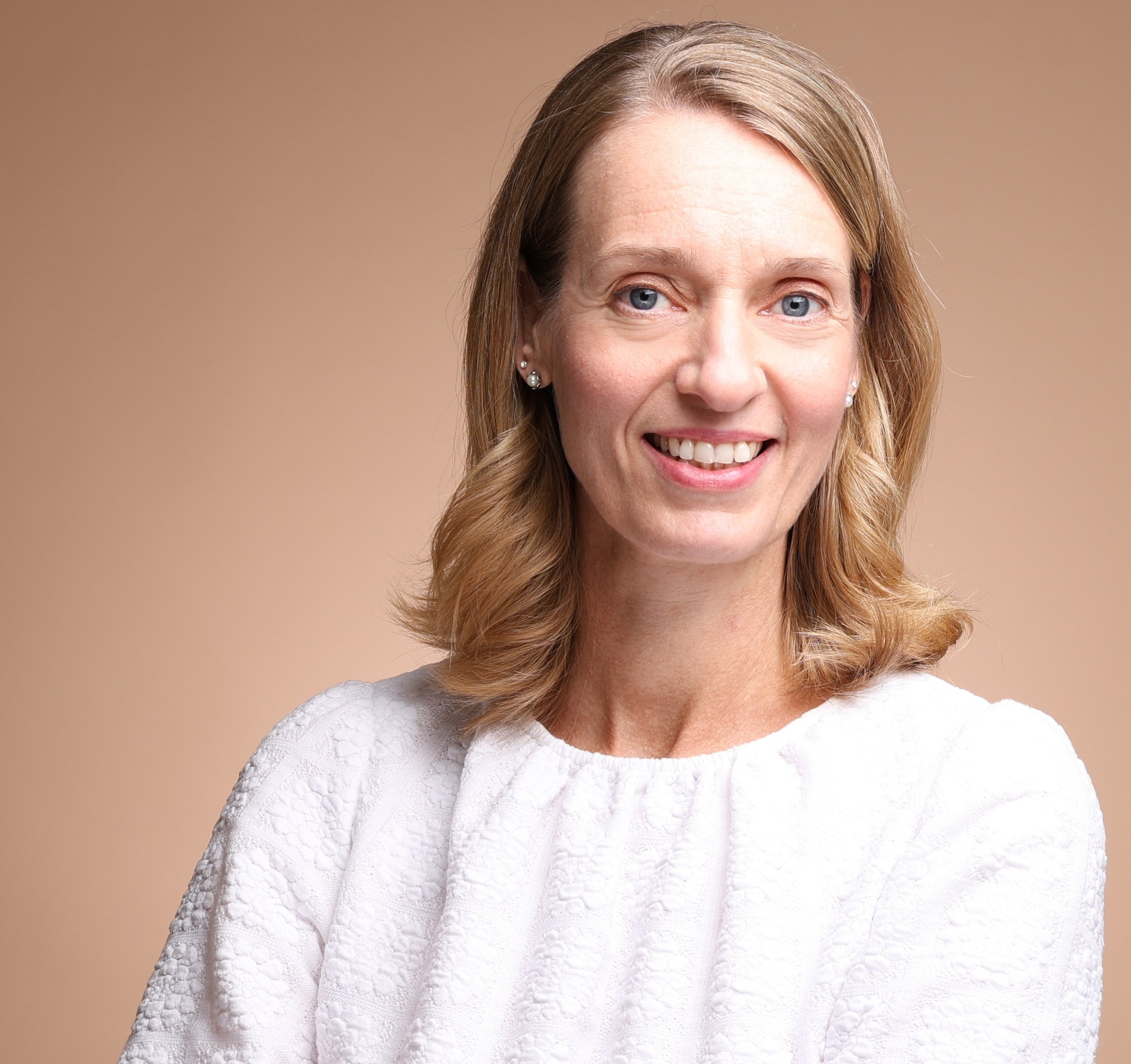
Amb. Manja Kliese
Head of the Crisis Response Centre, Federal Foreign Office of Germany
Manja Kliese is a German diplomat and Ambassador who has served as Commissioner for Crisis Management at the Federal Foreign Office since September 2025. Her experience over the past decade spans consular assistance, displacement and migration, and operational crisis response, with a particular focus on supporting people affected by international emergencies. She took over as Head of the Federal Foreign Office’s Crisis Response Centre in October 2022, becoming the first woman to lead the centre. Her work there has included responding to the outbreak of war in Sudan in April 2023 and the crisis following the attacks of 7 October 2023 in Israel. Earlier, her consular work included negotiating and organizing repatriation missions for German citizens from Northeast Syria. Her experience of the consequences of conflict also includes heading the consular section of the German Embassy in Beirut, where she organised the resettlement of Syrian refugees to Germany. She subsequently served as Deputy Head of Mission at the German Embassy in Riga. Earlier assignments included Istanbul, Paris and Brussels, as well as positions in Berlin supporting the State Secretary and covering Middle Eastern affairs.

H.E. Zheenbek Kulubaev
Minister of Foreign Affairs, Kyrgyz Republic
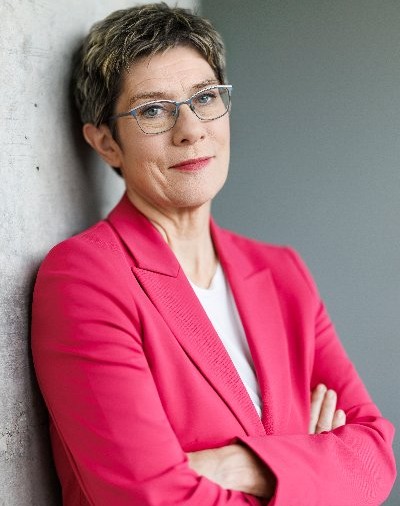
Annegret Kramp-Karrenbauer
Chairwoman, Konrad Adenauer Foundation
Annegret Kramp-Karrenbauer, born in Völklingen in 1962, was elected as Chairwoman of the Konrad-Adenauer-Stiftung by the General Assembly in December 2025. From December 2018 to January 2021, she served as Chairwoman of the CDU of Germany and from July 2019 to December 2021 as Federal Minister of Defense. Prior to that, she was a minister of various departments in Saarland from 2000 to 2011 and subsequently Minister-President of Saarland until 2018. In 1998, Kramp-Karrenbauer was a member of the German Bundestag and from 1999 to 2018 a member of the Saarland State Parliament. She also served as State Chairwoman of the CDU Saar from 2011 to 2018 and Secretary General of the CDU of Germany from February to December 2018.
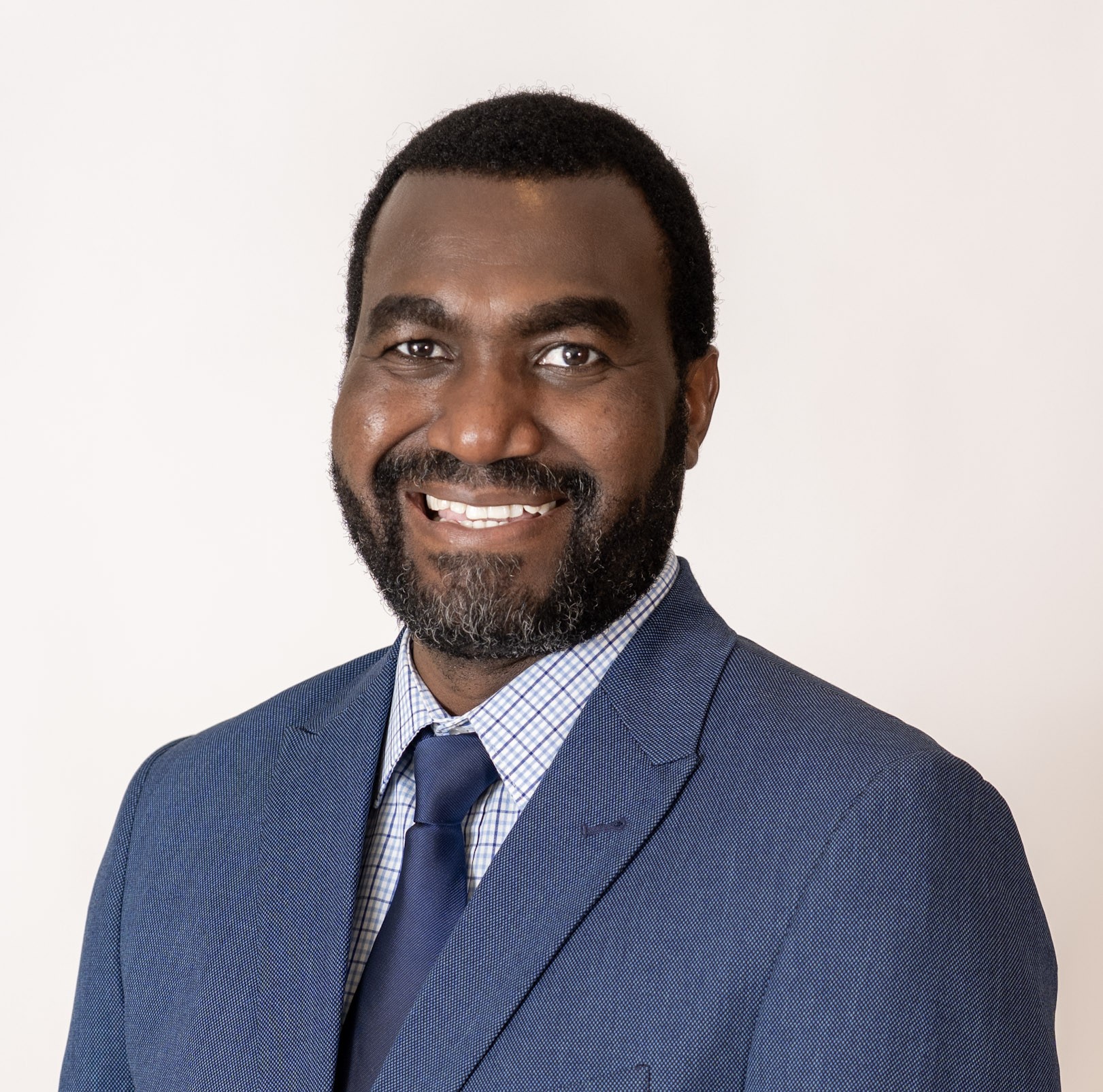
Dr. Kwalombota Kwalombota
Head of Development and Humanitarian Cooperation, Foreign, Commonwealth & Development Office, Qatar
Kwalombota Kwalombota is a UK diplomat, medically trained global health professional and international development leader with more than 20 years of experience spanning diplomacy, policy and frontline delivery. He currently serves as First Secretary for Development at the British Embassy in Doha, where he leads the UK’s humanitarian and development cooperation with Qatar. His career has taken him across some of the world’s most complex humanitarian and conflict-affected environments, including Afghanistan, Sudan and South Sudan. He has also led major health systems strengthening, reproductive health and humanitarian programmes across Africa and Asia. He has worked across different spheres of the global health architecture as an implementer, donor and champion of international partnerships, focused on translating policy and investment into tangible development outcomes in challenging environments. Dr Kwalombota has a particular interest in the intersection of technology, humanitarian action and public policy. He has spearheaded the UK-Qatar Humanitarian AI Programme, bringing together government, academia, humanitarian organisations and technology partners to explore the responsible adoption and scaling of AI in crisis settings. His work focuses on translating innovation into practical impact while strengthening international partnerships, ethical governance and the systems needed to deliver lasting change.
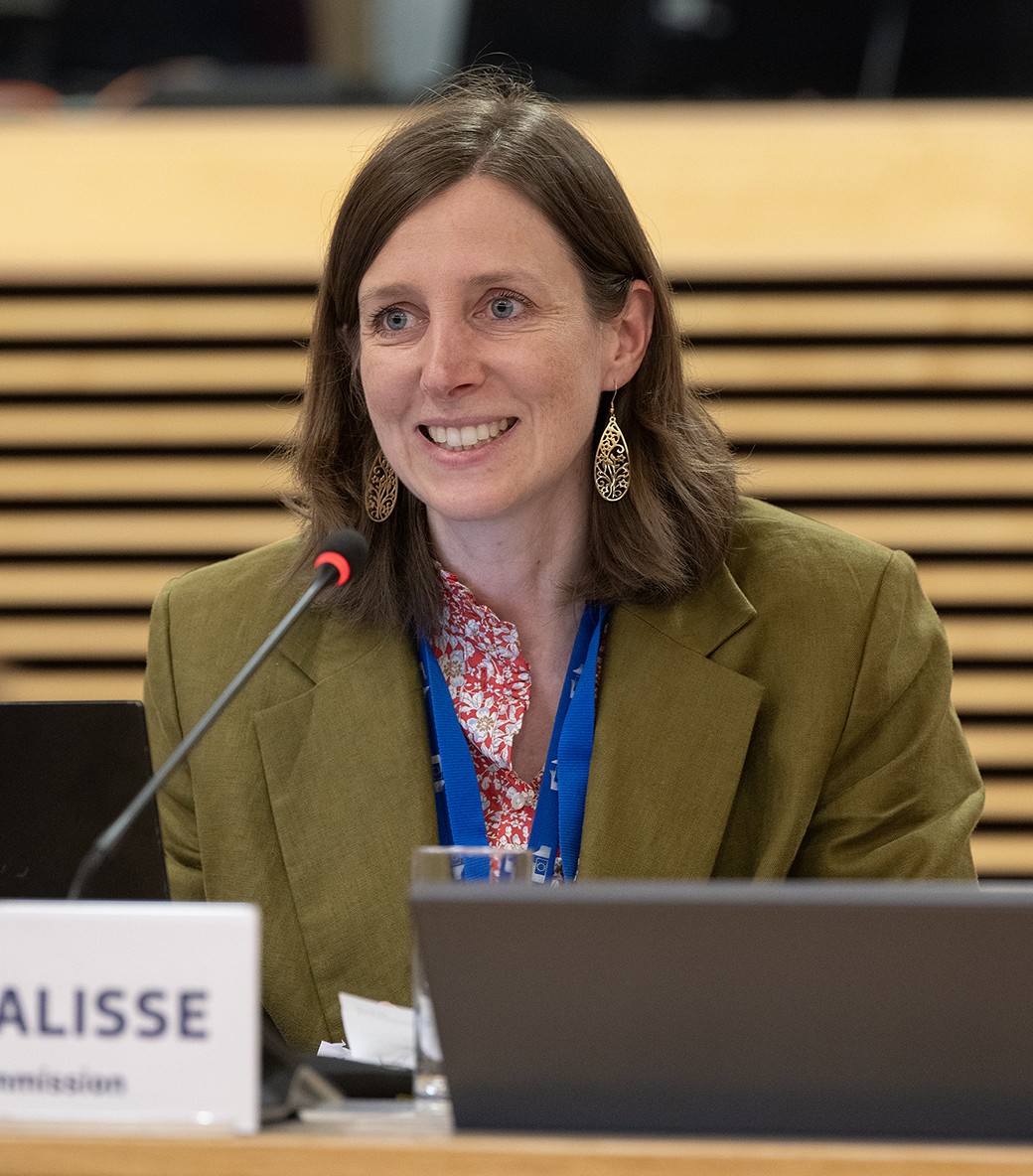
Marion Lalisse
European Commission Coordinator on Combating Anti-Muslim Hatred, European Union
Marion Lalisse is the European Commission Coordinator on combating anti-Muslim hatred since 2023. Her work includes fighting hate speech, hate crime and discrimination against Muslims, as well as contributing to improving understanding of Muslim life in Europe, preventing and addressing polarization, extremism and radicalization that affect Muslims, including their security, and strengthening social cohesion. She advises the European Commission on all issues related to hatred and discrimination against Muslims and people perceived to be Muslims, including relevant emerging threats and key developments. She liaises with representatives from partner countries, as well as international organizations in the global fight against anti-Muslim hatred. An EU civil servant with 20 years of experience, she previously served as deputy EU Ambassador/Ambassador a.i. to Yemen and held different positions at the EU Delegations to Ghana, Mauritania, Morocco, in the Turkish-Cypriot community and in headquarters. She has experience in working closely with a wide range of stakeholders including civil society inside the EU and in the Muslim world. Ms Lalisse graduated from the School of Oriental and African Studies (University of London), the College of Europe and the University of Toulouse.
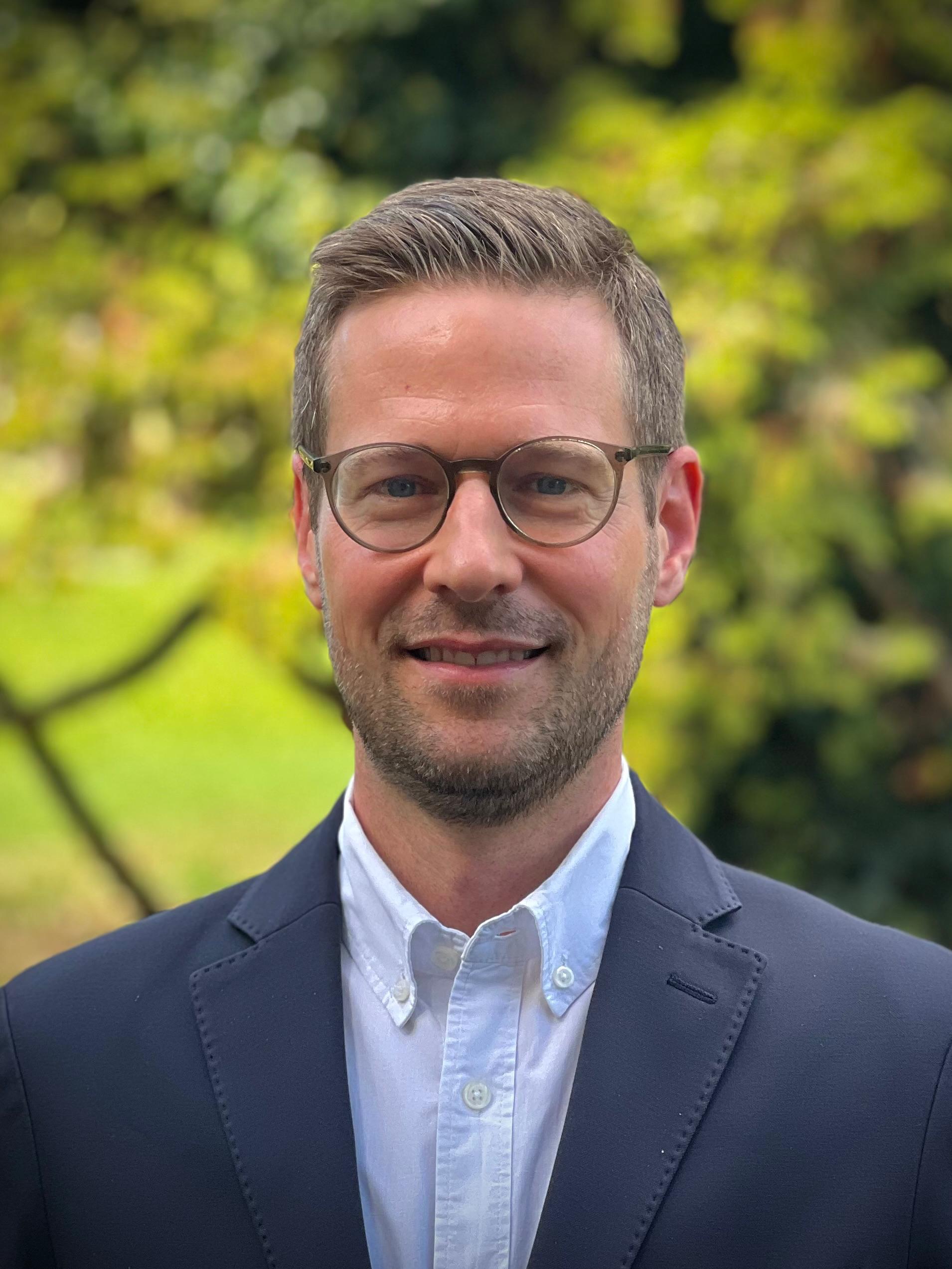
Dr. David Lanz
Deputy Director for Mediation Support and Policy, Centre for Humanitarian Dialogue (HD) in Geneva
Dr. David Lanz is Deputy Director for Mediation Support and Policy at the Centre for Humanitarian Dialogue in Geneva. He is a trained mediator with 20 years of experience supporting international mediation processes and leading dialogue efforts. Prior to joining the HD Centre, he was Representative for Dialogue Promotion with the International Crisis Group and co-led the mediation program at the Swiss Peace Foundation. He also served in the OSCE Conflict Prevention Centre and the UN Mission in Sudan. Dr. Lanz has masters’ degrees from the Geneva Graduate Institute and from the Fletcher School of Law and Diplomacy in Boston. He holds a PhD from the University of Basel and is widely published on issues related to collective security and mediation, including process design, competition among mediators, the role of sanctions and power-sharing.
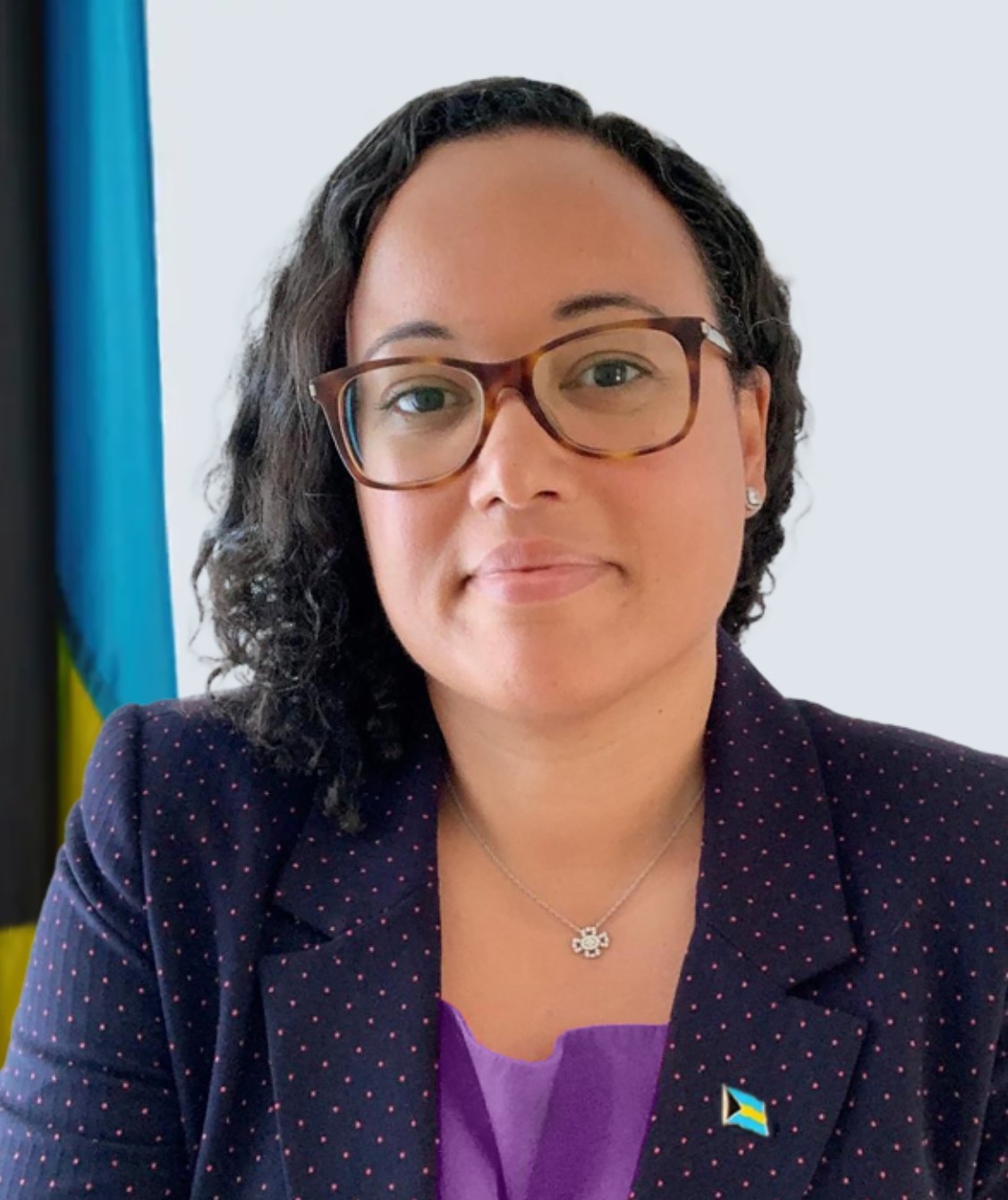
H.E. Amb. Jerusa Léa Dean Ali
Director General, Department of Foreign Service, Commonwealth of the Bahamas
Her Excellency Jerusa Léa ALI Ambassador Jerusa Léa Ali is based in Nassau, New Providence, where she currently serves as the Director General of the Department of Foreign Service, Ministry of Foreign Affairs of the Commonwealth of The Bahamas. She is responsible for the Foreign Service and the management of technical Bureaus and Divisions in the Department. As a diplomat, she is deeply committed to advancing The Bahamas’ interests and strengthening diplomatic ties with trusted partners. Ambassador Ali joined the Foreign Service in 2000 after graduating from the Edmund A. Walsh School of Foreign Service at Georgetown University with a BSc in Foreign Service (Regional Studies: Asia and Africa). She held assignments in the International Relations Division, the Legal Affairs Division and the Protocol Division. Ambassador Ali also holds an MA in International Relations (Diplomacy) from Keele University, an LLM in Public International Law (Human Rights) from the University of Nottingham, and an ABD in Legal Studies (International Criminal Law) from Carleton University. Before assuming the position of Director General in 2023, Ambassador Ali worked as a researcher and lecturer in international law and international relations in Universities in Canada, the United States and Nigeria among other countries. Her experience teaching other diplomats international law and the settlement of disputes and crisis simulation gives her an appreciation for the important role of mentorship in diplomacy. In addition to her current role, Ambassador Ali is The Bahamas’ representative to the Haiti Gang Suppression Force (GSF) Standing Group of Partners under United Nations Security Council Resolution 2793 (2023). Ambassador Ali is passionate about humanitarian and environmental causes. She is a Board Member of the Bahamas Red Cross Society (BRC) and a volunteer with the Bahamas National Trust (BNT).
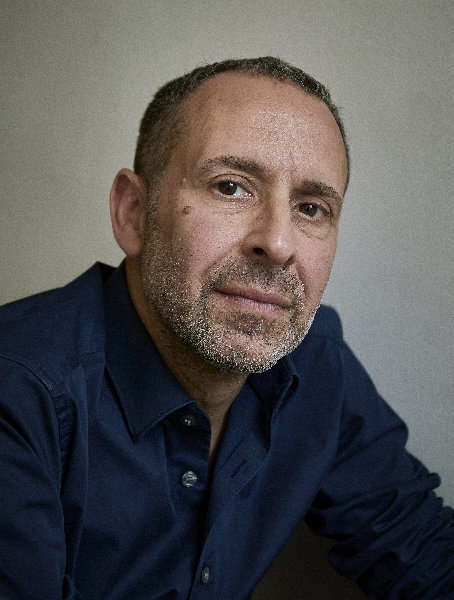
Daniel Levy
President, U.S./Middle East Project
Daniel Levy is a political commentator and President of the U.S./Middle East Project (USMEP). He previously served as MENA Director for the European Council on Foreign Relations and Head of the Middle East Taskforce at the Washington DC New America Foundation. Levy briefed the UN Security Council on four occasions in the past six years, the latest of which in February 2025.

Laura Leyser
International Secretary General, Doctors Without Borders
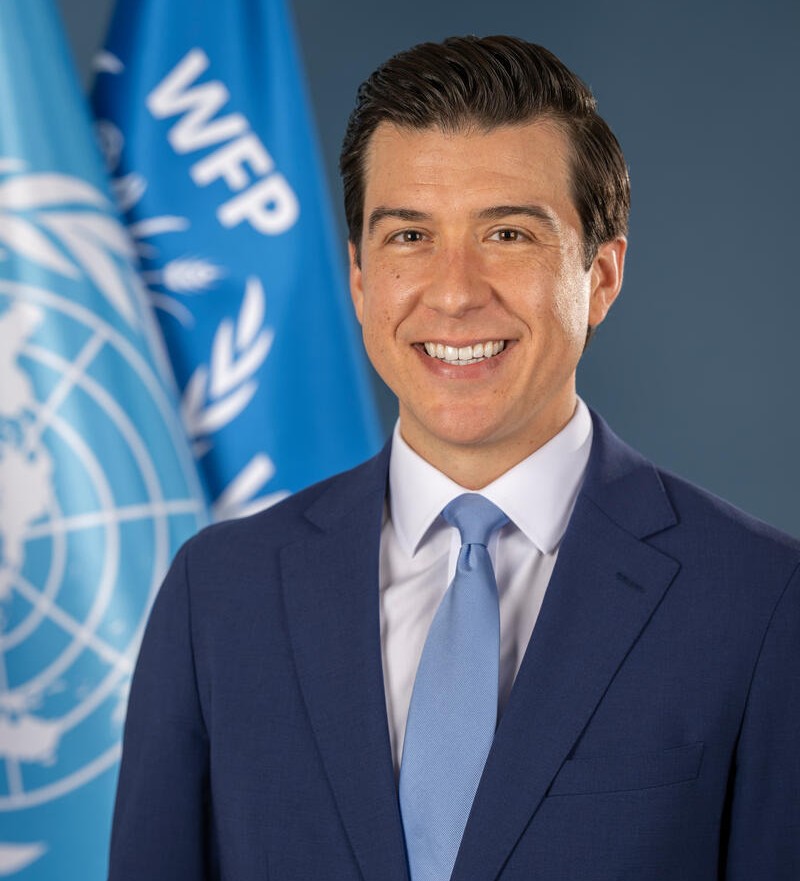
Luke Lindberg
Executive Director, United Nations World Food Programme
Luke J. Lindberg is the Executive Director of the United Nations World Food Programme (WFP). Mr. Lindberg brings extensive experience in international leadership, institutional reform, agricultural diplomacy and global food assistance. He has led global teams operating across 90 countries and overseen multibillion-dollar portfolios spanning humanitarian assistance, development, international trade and strategic partnerships. His work has focused on strengthening organizational performance, improving governance and accountability, and mobilizing resources to deliver results in complex, highpressure environments. Prior to joining WFP, Mr. Lindberg served as Under Secretary for Trade and Foreign Agricultural Affairs at the United States Department of Agriculture (USDA), where he led U.S. agricultural diplomacy and international engagement on food assistance, development policy, trade and export promotion, and multilateral cooperation. Previously, Mr. Lindberg founded and served as President and Chief Executive Officer of South Dakota Trade, a public-private partnership dedicated to expanding international markets for the state’s exporters. He also served as Chief of Staff and Chief Strategy Officer at the Export-Import Bank of the United States. Earlier in his career, Mr. Lindberg held leadership roles in global health at Sanford Health and Sanford World Clinic, serving as Director of External Affairs and Director of Global Operations, respectively. In these roles, he supported international partnerships and led health operations across seven countries. A U.S. citizen, Mr. Lindberg holds a Bachelor of Arts, a Master of Public Policy and a Master of Business Administration from the University of Maryland.
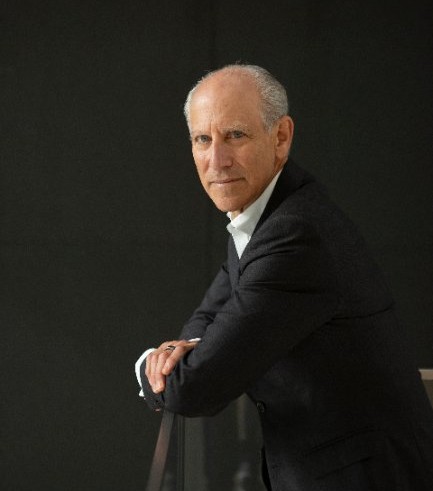
Glenn D. Lowry
President, Glade Strategy
Glenn D. Lowry is the director emeritus of The Museum of Modern Art, New York (MoMA). During his tenure (1995-2025) he dramatically expanded the collection, oversaw the physical transformation of the Museum’s campus through two building campaigns that more than doubled the size of MoMA’s galleries, quintupled its endowment, created an education and research center, and inspired a new model for the presentation of modern and contemporary art. He was the 2025 Chaire du Louvre and serves on the boards of The Getty Trust, The Robert Rauschenberg Foundation, the Art Bridges Foundation and advisory board of The Kiran Nadar Museum of Art and the Istanbul Modern. He is a chevalier of the Legion d’Honneur (France), and holds an order of the Rising Sun (Japan), among other honors
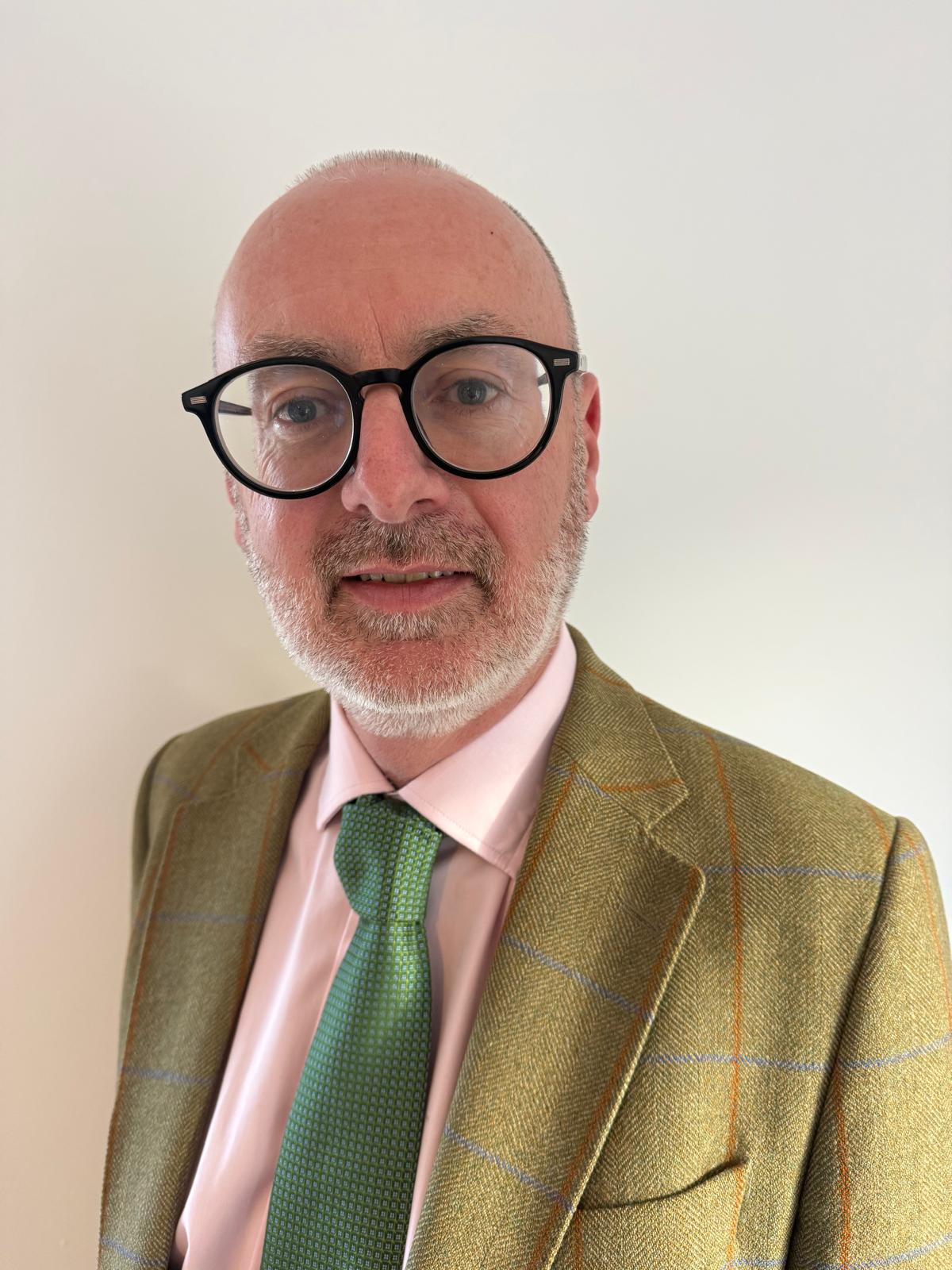
Roger Mac Ginty
Professor in Defence, Development & Diplomacy, Durham University
Roger Mac Ginty is Professor at the School of Government and International Affairs, and the Durham Global Security Institute, both at Durham University. He is also an Honorary Professor at the University of the Arctic, Norway. He is founding editor of the journal Peacebuilding and co-founder of the Everyday Peace Indicators. He was the 2025 International Studies Association Peace Studies Section Distinguished Scholar and his Everyday Peace book was the winner of the 2020-2022 Ernst-Otto Czempiel Award for best book on peace. He is interested in the changing peace and conflict landscape and his research on contemporary mediation can be found on the Effective Peacebuilding Initiative website: https://effectivepeace.org/policy-briefs/

Tim Lenderking
Former Acting Assistant Secretary for Near East Affairs, U.S. Department of State
Tim Lenderking is the U.S. Special Envoy for Yemen. Mr. Lenderking previously served as the Deputy Assistant Secretary of State for Arabian Peninsula Affairs in the Near East Bureau at the U.S. Department of State. He is a career member of the Senior Foreign Service. Mr. Lenderking served previously as the Deputy Chief of Mission at the U.S. Embassy in Riyadh, Saudi Arabia, from 2013-2016. He served as the Director of the Pakistan Office at the Department of State from 2010-2013. From 2008-2010, Mr. Lenderking completed two tours in Baghdad, the first as the Senior Democracy Advisor at the US Embassy, and the second as the Policy Advisor to LTG Charles Jacoby, Commanding General of Multi-National Forces Iraq (MNF-I), based at Camp Victory. Before his Iraq tours, Mr. Lenderking served as the Economic Counselor and Acting Deputy Chief of Mission at US Embassy Kuwait. He was also the Political Counselor at Embassy Rabat from 2002-2006. Mr. Lenderking’s other tours in the Foreign Service include serving as the Special Assistant to Under Secretary for Political Affairs Marc Grossman 2001-2002, as the Lebanon Desk Officer 2000-2001, and as a Watch Officer in the Operations Center. Mr. Lenderking also served in Dhaka, Bangladesh, and in Damascus, Syria. Mr. Lenderking joined the Foreign Service in 1993 after a career in the refugee field, where he held numerous positions with American NGOs and with the United Nations in New York, Sudan, Pakistan, Afghanistan, and Thailand. Mr. Lenderking received a Master's degree in History and International Relations from the University of Washington in 1989 and a Bachelor's Degree with Honors from Wesleyan University in 1985. He is the recipient of the Presidential Merit Award, nine Superior Honor Awards from the Department of State and the Meritorious Civilian Service Award from the Department of the Army for his service in Iraq.
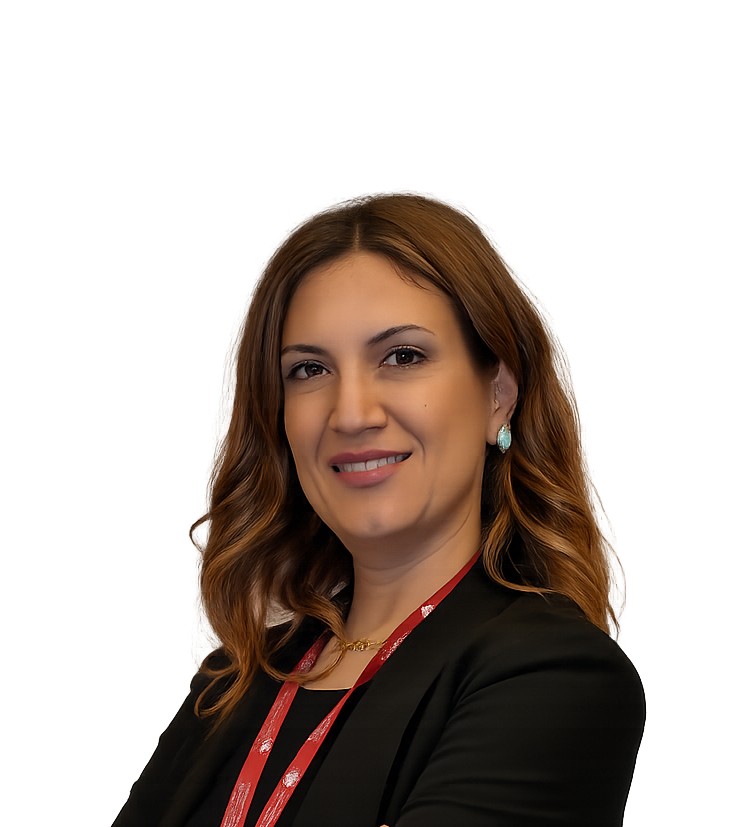
Dr. Diana Maddah
Assistant Professor, Qatar University
Dr. Diana Maddah is an Assistant Professor of Public Health at Qatar University and a specialist in public health preparedness and humanitarian health. She serves as Senior Health Advisor to UK-Med. Over more than 14 years in the field, she has supported emergency response operations around the world, including deployments with the UK Emergency Medical Team. Her research focuses on preparedness planning, community engagement, and the use of artificial intelligence in humanitarian settings. An accredited gender equity trainer, she has led projects supporting women, refugees, and other vulnerable populations. In 2025, she was nominated for recognition at Buckingham Palace for her humanitarian work and contributions to saving lives.

Prof. Rory Miller
PhD, Professor of International Politics, Co-Director, Small States Research Program, Director of Energy Studies Program, Georgetown University - Qatar
Rory Miller is a Professor of International Politics, Co-Director of the Small States Research Program, and Director of Energy Studies at Georgetown University in Qatar where he teaches and researches on small states and regional security, intelligence and national security, external intervention and alliances. He was a member of the War Studies department and then head of the Middle East & Mediterranean Studies Program at King’s College London between 1999 and 2014. In recent years, he has held a visiting professorship in the War Studies department of King's College London (2014-17), and a visiting research professorship at Trinity College Dublin (2020-21). He serves on several advisory boards, including the Foreign Policy Network of the Irish Department of Foreign Affairs and Trade (DFAT). He is currently the lead principal investigator on a multi-year funded research project on “Managing National Security Risk during and after the Blockade: Strategic Challenges and Opportunities for Qatar’s Energy Sector”. He is co-editor of the Cambridge University Press book series on “Intelligence and National Security in Africa and the Middle East.” He is the author or editor of 11 books including Inglorious Disarray: Europe, Israel and the Palestinians (Columbia University Press, 2011), Desert Kingdoms to Global Powers: The Rise of the Arab Gulf (Yale University Press, 2016) and, most recently, Overcoming Smallness: Challenges and Opportunities for Small States in Global Affairs (Hamad Bin Khalifa University Press with Fahad Al-Marri). He has published extensively in academic and policy journals and the international media including Foreign Affairs, The Economist, Foreign Policy, The New Republic, The National Interest, and The Wall Street Journal. His media appearances include Al Jazeera Arabic; Al Jazeera English; Al Jazeera Mubasher; BBC America; BBC World Service; Bloomberg; CNBC Europe; CNN International

Frankie McCamley
Senior Presenter, Al Jazeera Media Network

Berkay Mandiraci
Fox International Fellow (2025-26), Yale University
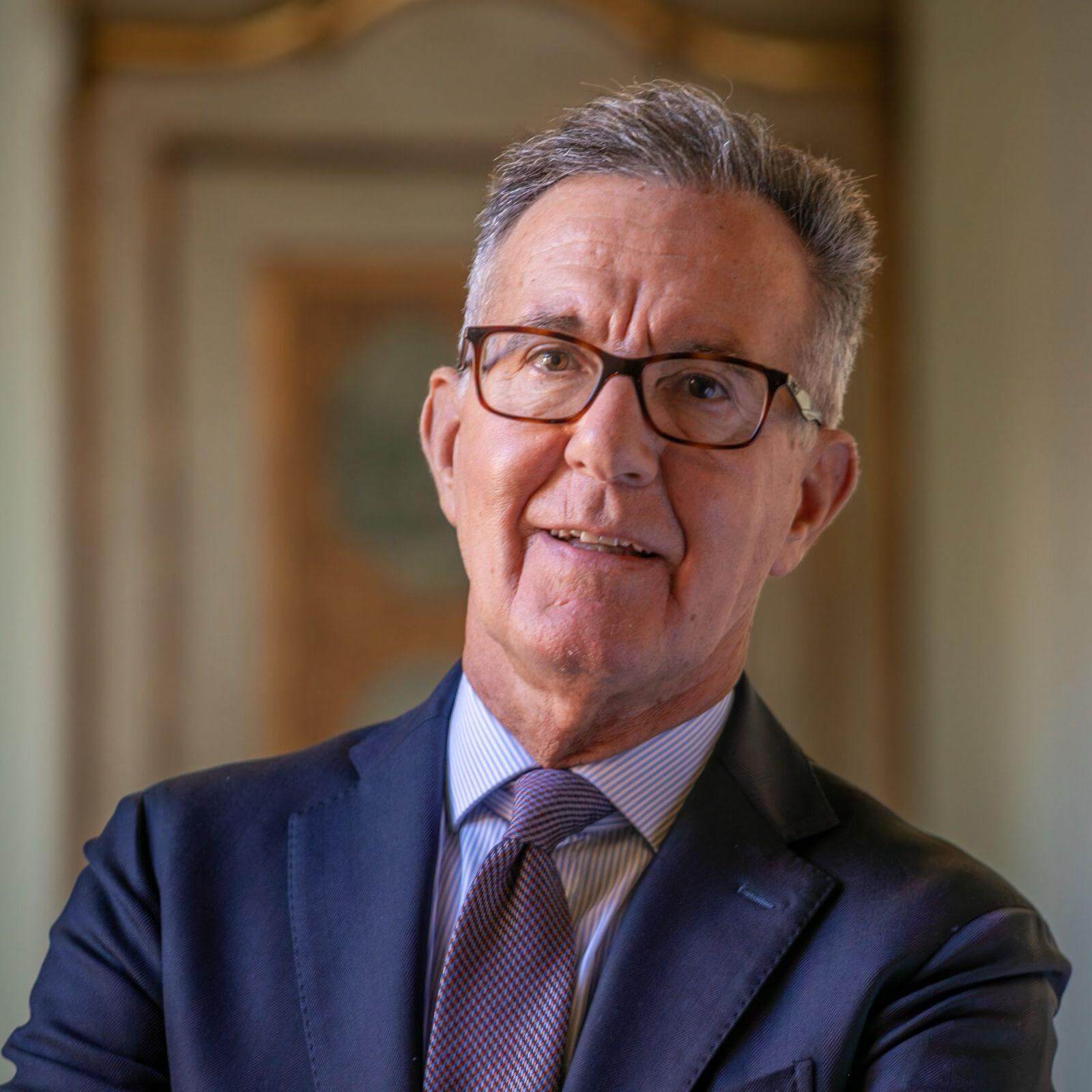
Dr. Paolo Magri
President of the Advisory Board, ISPI (Italian Institute for International Political Studies)
Paolo Magri is President of the Advisory Board of the ISPI (Italian Institute for International Political Studies) and Professor of International Relations at Bocconi University. He is member of the Europe Policy Group of the World Economic Forum (Davos); member of the Board of Directors of LUISS University and member of the Council of ECFR. He is a regular speaker, writer and commentator to diverse media outlet. His most recent publications include: Post-vote Iran. Giving Engagement a Chance (with Perteghella, 2017); Four Years of Trump. The US and the World (with Del Pero, 2020) and Europe in the age of insecurity (with Alessandro Colombo 2024).
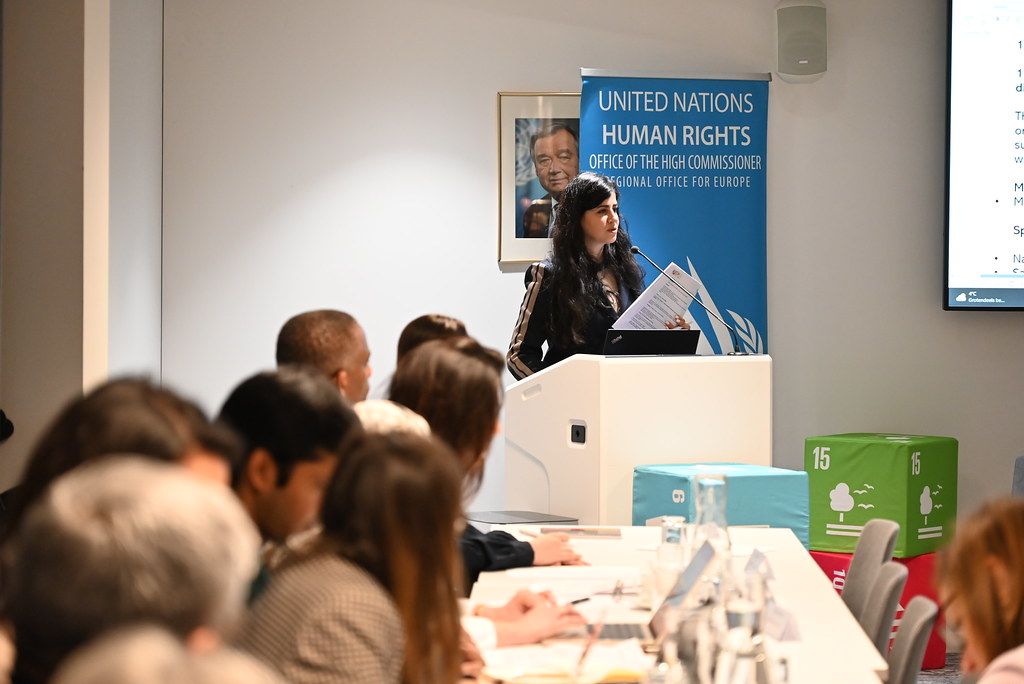
Serri ‘Sura’ Mahmood
Sports Lead, UN OHCHR
Serri (Sura) Mahmood is a human rights professional with over 15 years of experience in advancing human rights, equality, and non-discrimination. She currently serves at the United Nations Office of the High Commissioner for Human Rights (OHCHR), where she leads and coordinates work on sport and human rights. Her work focuses on promoting and protecting human rights in and through sport, with particular emphasis on addressing racism and other forms of discrimination in the sporting context. Drawing on extensive expertise in research, multi-stakeholder coordination, strategic engagement, technical and policy advisory, she works to address structural and institutional barriers within the sports ecosystem, strengthen accountability, and advance a human rights-based approach to sport. Prior to joining OHCHR, Ms. Mahmood worked at the International Labour Organization (ILO), UN Women, and Humboldt University zu Berlin, and served on the Board of the Baghdad Women Association. She holds a Master’s degree in International Affairs and a Master’s degree in Humanitarian Action, both from the Graduate Institute of Geneva.

Robin Matheson
Presenter, Al Jazeera English
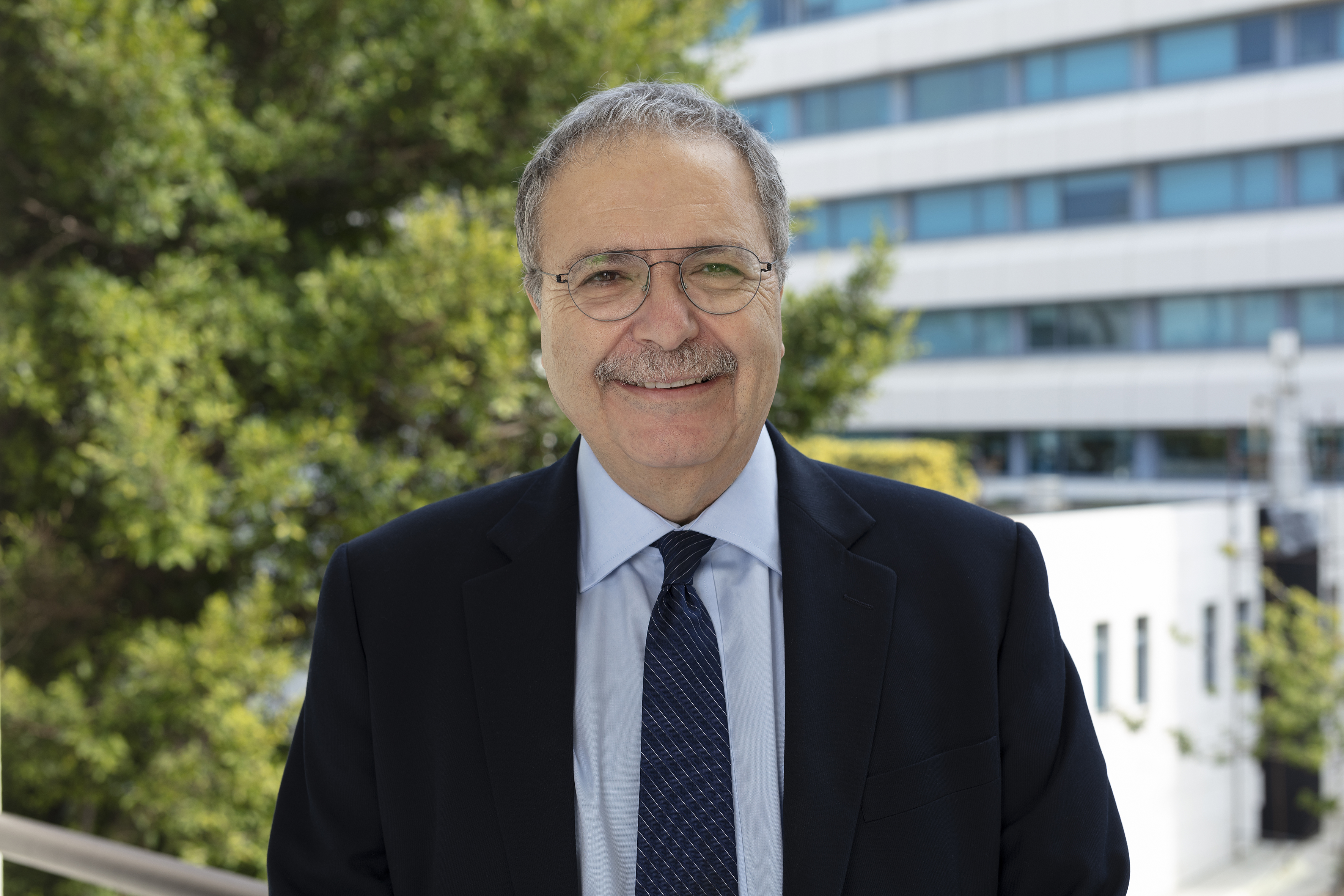
H.E. Dr. Tarek Mitri
Deputy Prime Minister, Lebanese Republic
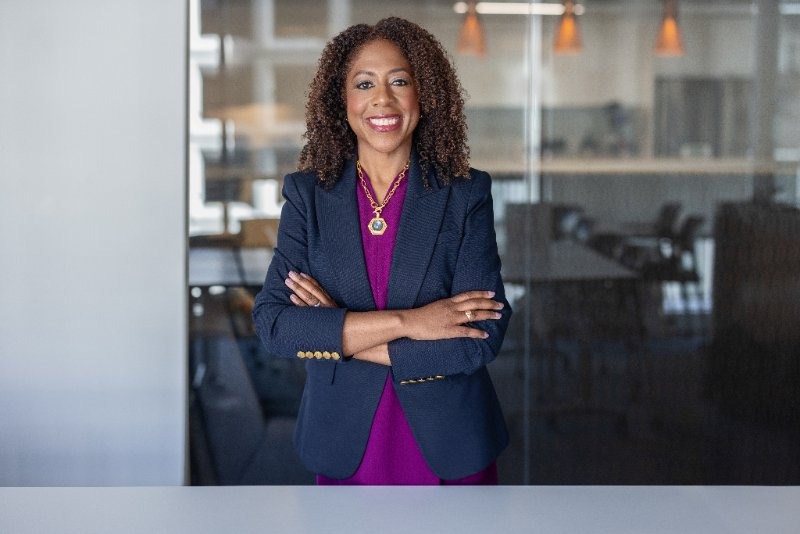
Tjada D'Oyen McKenna
CEO, Prosper Global
As CEO of Prosper Global, Tjada D’Oyen McKenna leads a global team of more than 4,300 humanitarians working across 40+ countries to deliver urgent relief and create long-term solutions that help communities build resilience in the face of conflict and climate change.Tjada's previous work includes roles at CARE, the Bill & Melinda Gates Foundation, U.S. Agency for International Development’s Bureau for Food Security, McKinsey & Company, American Express and General Electric.With extensive experience in both the nonprofit and private sectors, Tjada has championed innovative approaches to tackling food insecurity, poverty, and disaster response throughout her career. Her leadership is marked by a commitment to equity, sustainability, and empowering local communities to drive lasting change.In addition to leading Prosper Global, Tjada is a life member of the Council on Foreign Relations. To learn more about what Tjada is up to as CEO of Prosper Global, she can be followed via her social media pages on LinkedIn and BlueSky.

Ummy Mwalimu
Presidential Advisor on Reproductive, Maternal Health, United Republic of Tanzania

Nicola Missaglia
Head of Communications and Publications and Curator of MED Mediterranean Dialogues, Italian Institute for International Political Studies (ISPI)
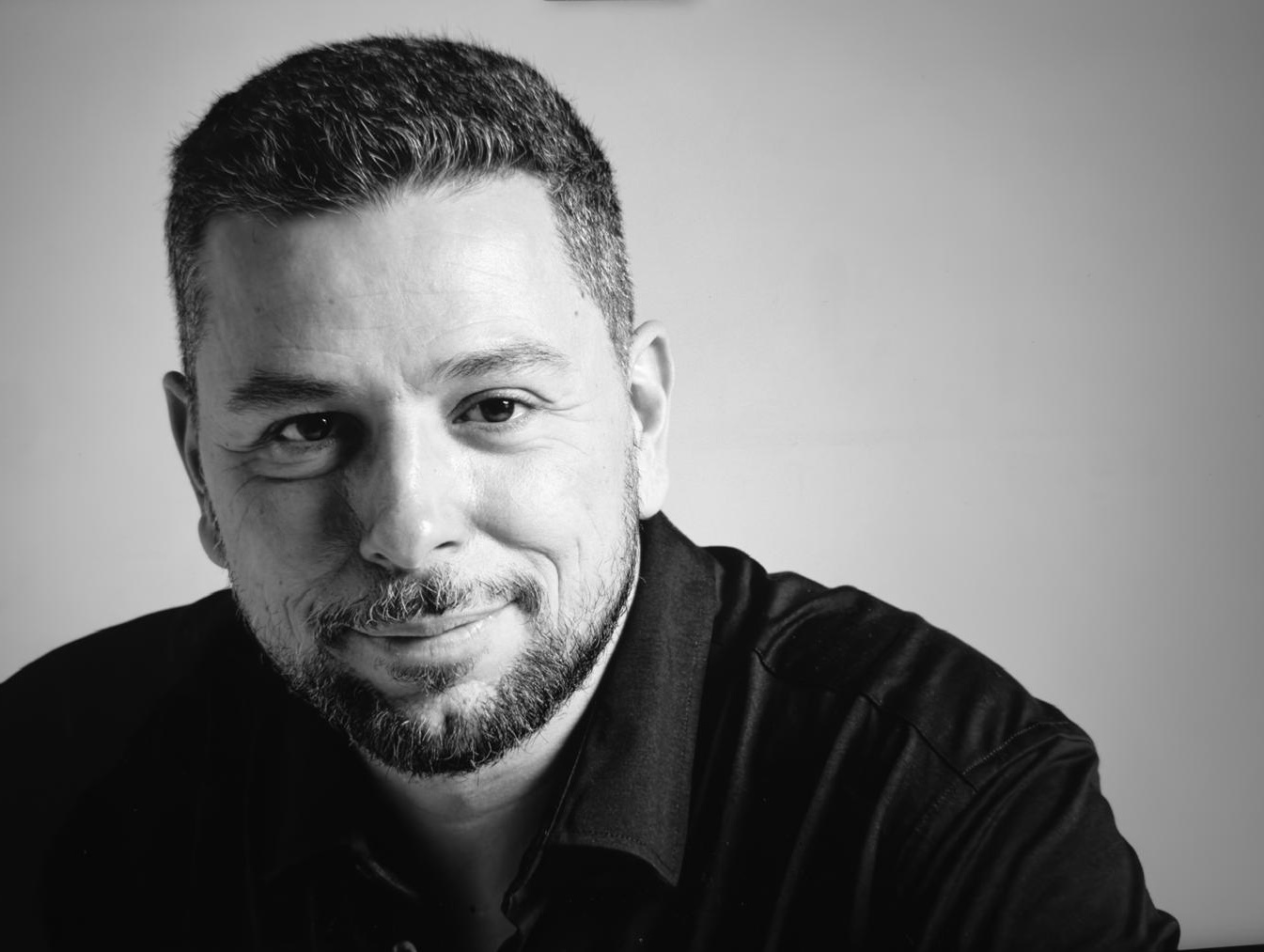
Ayman Mohyeldin
Anchor, MSNBC
Ayman Mohyeldin is an award-winning journalist and MS NOW analyst and contributor with 25 years of experience covering the world's biggest stories.During 15 years with the network, he hosted the acclaimed weekly show "AYMAN," co-anchored "The Weekend: Primetime," and was involved in breaking news coverage of the US-Israel war on Iran, the Gaza genocide, multiple U.S. elections, the January 6 insurrection, the COVID pandemic, social justice movements and many more defining stories of our time.Previously, Mohyeldin spent more than a decade as a foreign correspondent, reporting from dozens of countries across the Middle East, Asia, Central America and Europe. He covered the Iraq war, the Israeli-Palestinian conflict, the Syrian civil war, the revolution in Ukraine and nuclear tensions on the Korean Peninsula. His coverage of the Arab Spring earned international recognition.Mohyeldin was named one of TIME's 100 Most Influential People in the World and "Journalist of the Year" by both GQ and Esquire. His honors include a Peabody Award, a Sigma Delta Chi Award and several international press awards. He created and hosted the chart-topping, award-winning podcast "American Radical.” He has written for Vanity Fair and TIME and lectured at universities and institutions around the world.
Ann Måwe
Director, Swedish Dialogue Institute for the Middle East and North Africa
Ann Måwe is currently the Director of the Swedish Dialogue Institute for the Middle East and North Africa. Prior to that, she was the Ambassador of Sweden to Vietnam 2019- 2024. She started her diplomatic career in 1999 and has held various positions at the MFA. In 2015-2019 she served as Deputy Head of the MENA department. Previously, she has served as Counsellor at the Swedish Permanent Representation to the UN in New York, in charge of the Middle East and North Africa-file in the Security Council section and prior to that on the ECOSOC-team. In 2002-2005 she served as Consul in Jerusalem in charge of political reporting on MEPP, Palestine and UNRWA. Before getting recruited by the MFA she has worked at the SRC (the Social Research Center) at the American University in Cairo.
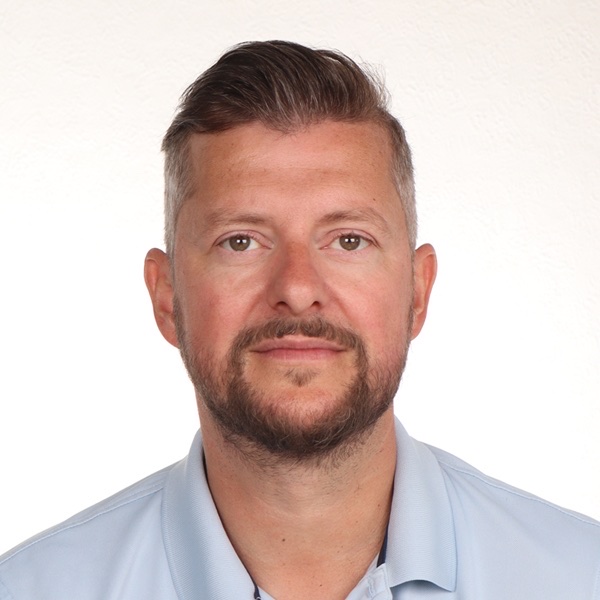
Thomas Müller
Director Near and Middle East, Deutsche Gesellschaft für Internationale Zusammenarbeit (GIZ)
Thomas Müller holds a Master of Arts (M.A.) in Middle Eastern Studies and International Law and serves as a Reserve Officer in the German Armed Forces (Bundeswehr). He has been with GIZ since 2012, holding various leadership positions in Yemen, Afghanistan, Türkiye, and across the Middle East. From 2020 to 2024, he served as Country Director in Iraq and Lebanon. Since September 2024, he has been the Head of Division for the Middle East.
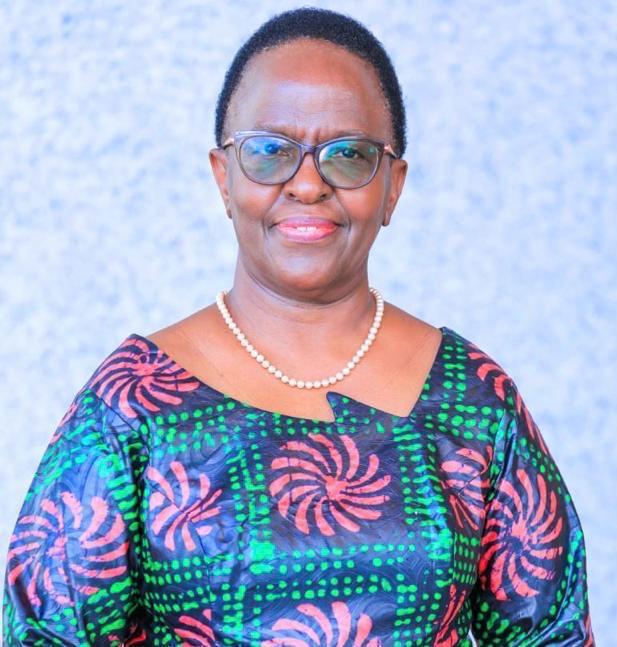
H.E. Amb. Liberata Mulamula
Special Envoy of the Chairperson of the African Union Commission (AUC) on Women, Peace and Security (WPS), African Union Commission (AUC)
Her Excellency Ambassador Liberata Mulamula is a renowned Tanzanian diplomat, politician, and academic, currently serving as the African Union Commission’s Special Envoy on Women, Peace and Security (OSE-WPS). A formidable advocate for Agenda 2063, Ambassador Mulamula brings over 35 years of experience in diplomacy, regional integration, and conflict resolution, making her one of the continent's most respected voices on peace.Before her appointment as Special Envoy, she served as Tanzania’s Minister of Foreign Affairs and East African Cooperation. Her extensive career includes high-level posts such as the Executive Secretary of the International Conference on the Great Lakes Region (ICGLR) and Tanzania’s Ambassador to the United States and Mexico. She was also the first Executive Secretary of the ICGLR, establishing its Secretariat in Bujumbura, Burundi.focusing on concrete measures of women's influence and building resilient African institutions. She champions the integration of women’s leadership across all pillars of security, viewing their participation not as a choice, but as a non-negotiable prerequisite for sustainable development and stability across the continent. She holds M. A. in Government and Politics, and Post-Graduate Diploma in International Law from St. John’s University, USA.

Prof. Erin McCandless
Director, Qatar-South Africa Centre for Peace and Intercultural Understanding at the University of Johannesburg
Erin McCandless is Professor of Politics and International Relations and Director of the Qatar-South Africa Centre for Peace and Intercultural Understanding at the University of Johannesburg. She is Senior Advisor at the Centre for Mediation in Africa, University of Pretoria, holds affiliations with the Centre for Conflict and Humanitarian Studies and the Global Institute for Strategic Research in Doha and previously was Distinguished Visiting Professor of Public Value at Hamad Bin Khalifa University. Drawing on three decades of experience across 25 conflict-affected countries, she has pioneered research on transformative peace processes and social contracts; Global South agency and non-Western middle-power mediation; and transactional versus transformative peacemaking, particularly environmental and critical minerals provisions in peace agreements. She bridges rigorous scholarship with high-level policy engagement, including advising senior UN leadership, facilitation of political dialogue processes, and involvement in shaping multilateral peace, development and governance frameworks. Co-founder and Chief Editor for 15 years of the Journal of Peacebuilding & Development, now a Q1 journal – elevating Global South perspectives in international academic and policy debates. She has authored over 150 publications, including influential UN reports, speaks regularly at high-level forums in Doha, Stockholm, Geneva, the World Bank, OECD-DAC, and is regular contributor to international media.
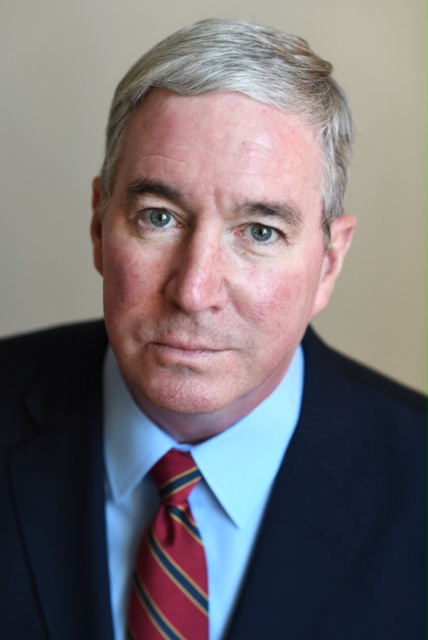
Vice Admiral John Miller
Associate Fellow, Non-proliferation and Nuclear Policy Programme, IISS
Vice Admiral John Miller, USN (Ret) is a consultant, policy advisor, and speaker based in Washington, D.C. Miller was designated a Naval Flight Officer in 1980. He accumulated more than 3,500 flight hours and 1,000 carrier arrested landings in the F-14 Tomcat. From 1990-91, Miller was a White House Fellow as special assistant to the administrator of NASA. Miller held numerous commands in the U.S. Navy including: VF-142, VF-101, USS Dubuque (LPD 8), USS Juneau (LPD 10), USS Constellation (CV 64), USS John F. Kennedy (CV 67), Carrier Strike Group 11, and the Naval Strike and Air Warfare Center. After promotion to Rear Admiral, Miller spent a considerable amount of time focusing on the Middle East, serving as Deputy Commander to U.S. Naval Forces Central Command/United States Fifth Fleet and Deputy Director, Strategy, Plans, and Policy (J5); Chief of Staff, U.S. Central Command, and Commander, U.S. Naval Forces Central Command/U.S. Fifth Fleet/Combined Maritime Forces.
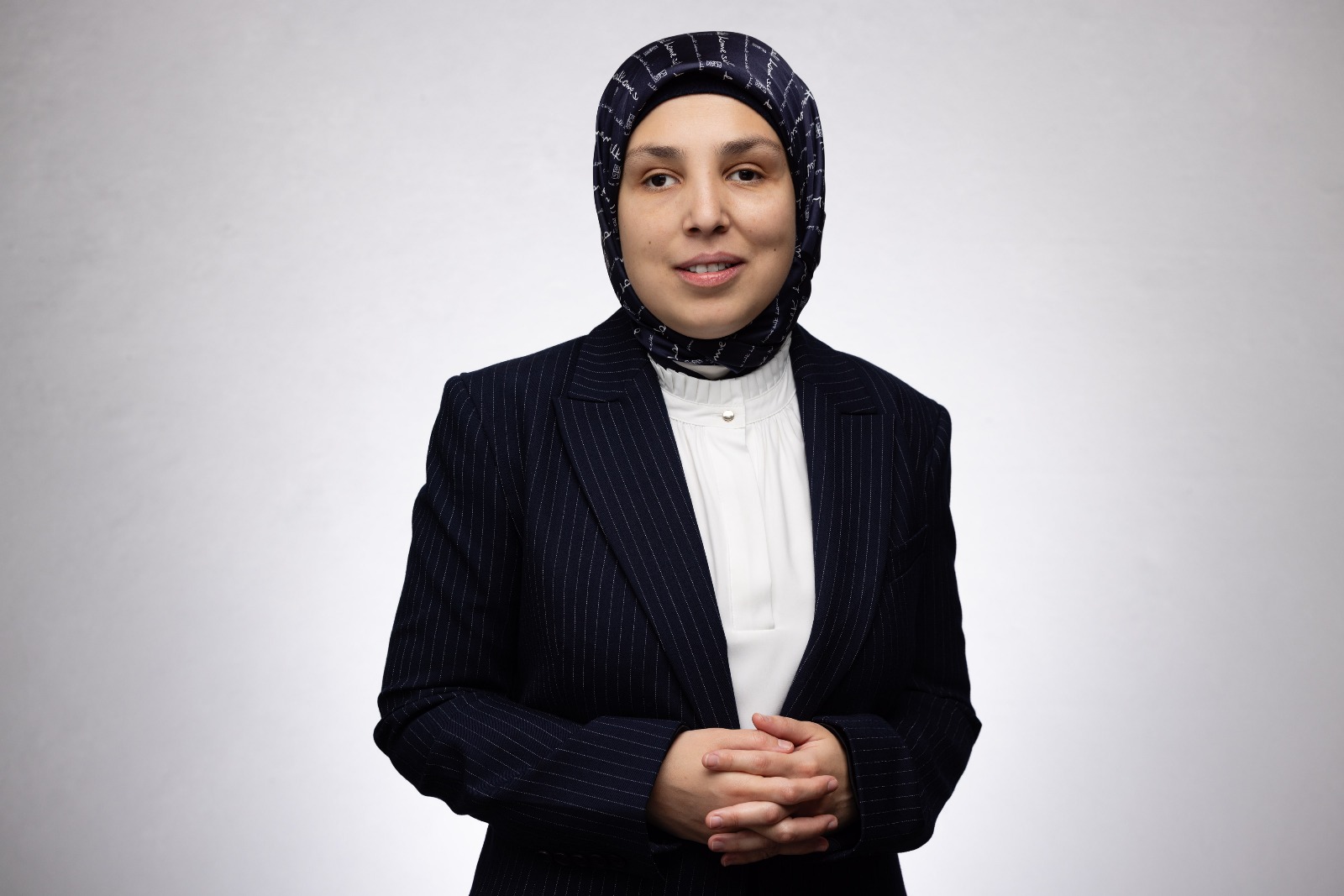
Sara Minkara
Former U.S. Special Advisor on International Disability Rights, Disability Inclusion Expert and Entrepreneur, United States of America
Sara Minkara is a former Ambassador-level U.S. diplomat and global strategist who advises Fortune 500 executives and senior government leaders on disability, authentic leadership, and reimagining the future. Appointed by President Biden as the U.S. Special Advisor on International Disability Rights, she integrated disability across U.S. foreign policy in more than 70 countries and created the Disability Foreign Policy Playbook, a unified framework for embedding disability within foreign policy priorities across bureaus, embassies, and senior leadership. She advanced disability perspectives in key global arenas, including AI and digital economies, climate, trade, and peace and security. She also led the U.S. Delegation to the G7 Disability Ministerial and elevated disability through APEC, ASEAN, and C5+1. Sara is the founder and principal of In the Dark, a blindfolded experiential methodology that accelerates decision-making, strengthens communication, and builds high-trust leadership across global corporations and institutions. Through her independent advisory practice, she guides public- and private-sector leaders on embedding disability within strategy, risk, operations, and emerging domains. She has developed and is teaching the first-ever course on Disability and Diplomacy at Georgetown University, advancing a new academic and policy frontier and equipping future diplomats with the tools to advance disability in foreign policy. Previously, Sara founded and led Empowerment Through Integration, a global nonprofit expanding opportunities for youth with disabilities in the Middle East and North Africa. A graduate of Wellesley and Harvard’s Kennedy School, Sara is a current World Economic Forum Young Global Leader Fellow. Her work has been recognized by Forbes 30 under 30, the Clinton Global Initiative, Vital Voices, and the MIT IDEAS Award.

Dr. Arta Moeini
Managing Director for U.S. Operations and Research Director, Institute for Peace and Diplomacy

Abdul Mohammed
Mediation Advisor, Intergovernmental Authority on Development
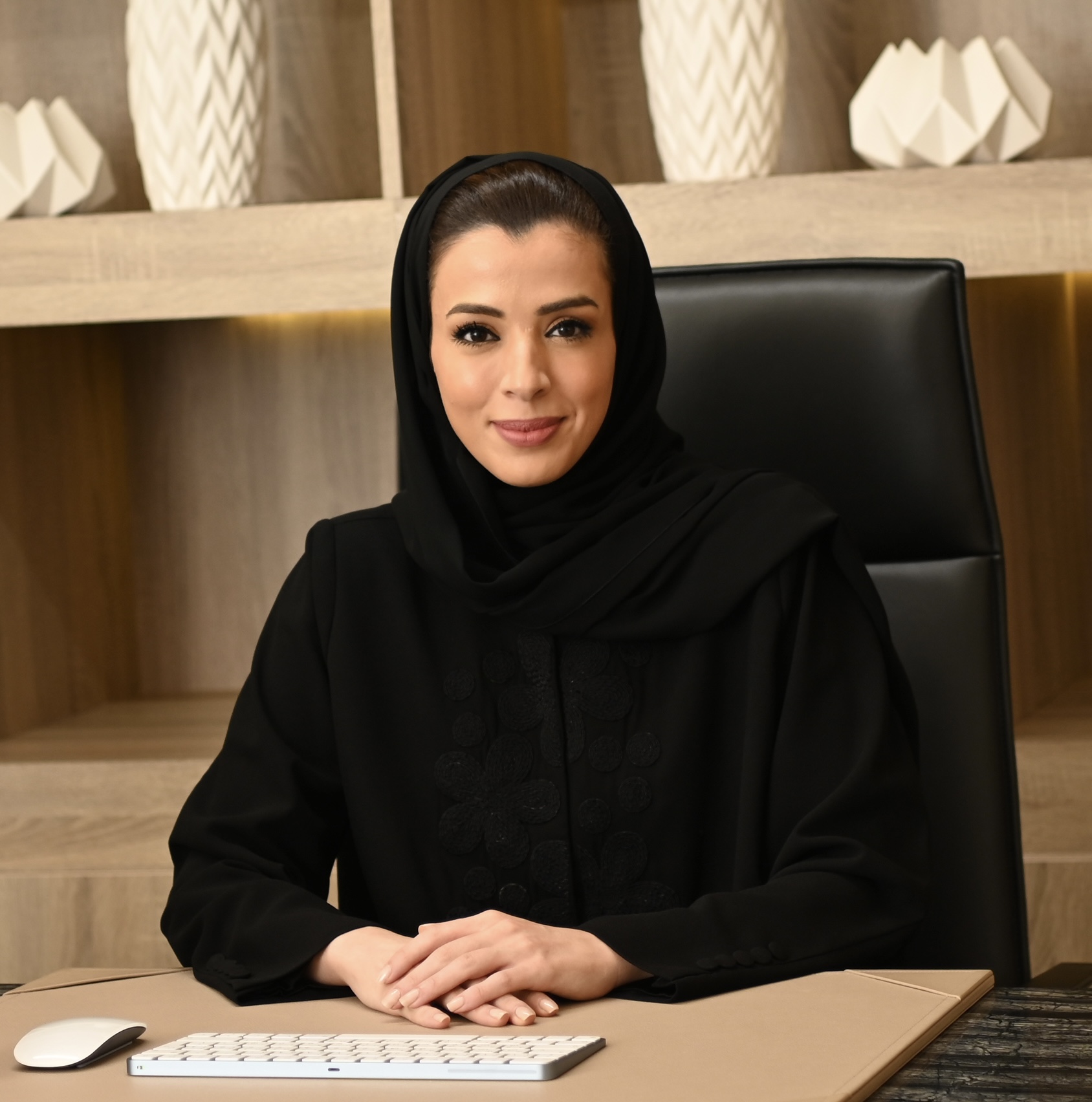
Sheikha Amna Mohammed Suhaim Al Thani
Founder and Chief Executive Officer, Strategy Hub
Sheikha Amna Al Thani is the Founder and Chief Executive Officer of Strategy Hub, a purpose-driven consultancy supporting Qatar’s public and private sectors in translating strategic visions into actionable solutions. She holds a Bachelor’s degree in International Politics from Georgetown University’s School of Foreign Service and a Master’s degree in International Security from Sciences Po, Paris. Her areas of interest include international relations, environmental sustainability, economic policy and education, with a focus on initiatives that support Qatar’s growth and contribution to international development.

Dr. Alaa Murabit
Founder & Chief Executive Officer, RAIS
Dr. Alaa Murabit is a Libyan-Canadian physician and Founder & CEO of RAIS. Her work asks what makes a country secure—and who gets to decide. She has mobilized more than $40 billion across security, health, sustainability, and innovative finance. She founded Voice of Libyan Women at 21, created the first zakat-approved philanthropic collaborative dedicated exclusively to maternal and newborn health, For Mama, and conceived and co-created The Beginnings Fund. She has been named to the TIME100 and awarded Canada's Meritorious Service Cross. A UN SDG Advocate and UN High-Level Commissioner, she now builds the foundations of secure futures, from children's survival to financial architecture and AI governance.

Amb. Hans-Udo Muzel
Former Ambassador to Iran and Qatar, German Federal Foreign Office
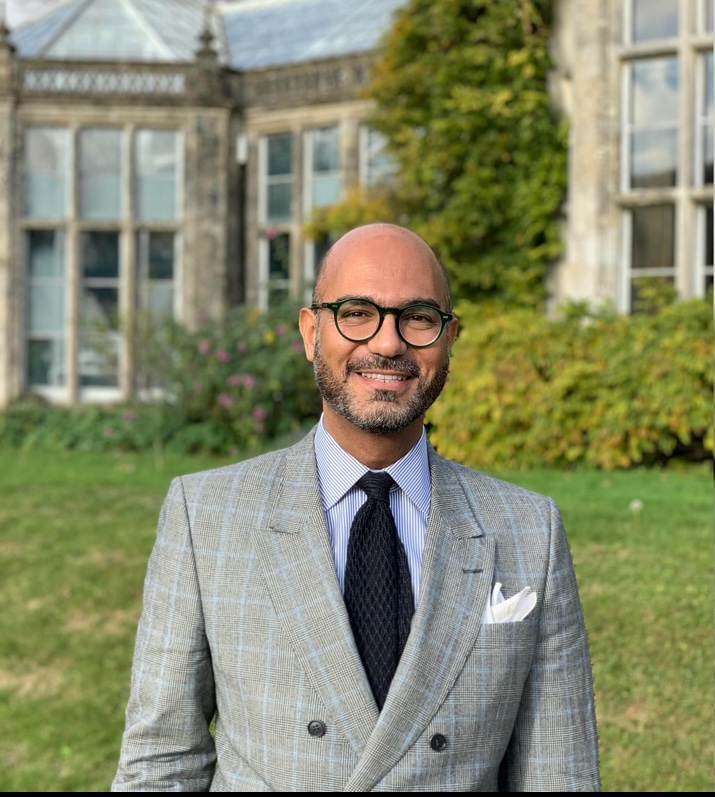
Mohammad Naciri
Chief of Staff, UN Women
Mohammad Naciri is the Chief of Staff of UN Women. He has more than 20 years of experience as a diplomat.Throughout his career he has worked on gender, human rights, peace, security and development issues in Asia and the Pacific, the Middle East and North Africa. As the Regional Director for Asia and the Pacific, he oversaw UN Women´s engagement in humanitarian and conflict settings, including Afghanistan, Bangladesh, and Myanmar. He also spearheaded negotiations on UN Women’s role in Asia and the Pacific in the context of the UN Reform roll out, and positioning of gender equality. In his role as the Regional Director (2014-2019) and Deputy Regional Director (2012-2014) for the Arab States, Mohamed created UN Women´s presence in the region. He further led several important initiatives for the organization, including UN Women’s participation in complex political negotiations. Prior to that, Mohamed served as the UNDP Country Director for Yemen (2009-2012), UNDP Deputy Resident Representative in Kuwait (2006-2009), IOM Chief of Mission in Kuwait (2003-2006), IOM Programme Officer (2001-2003). A national of Morocco, Mohammad holds a master’s degree in Social Anthropology from the University of Oxford.
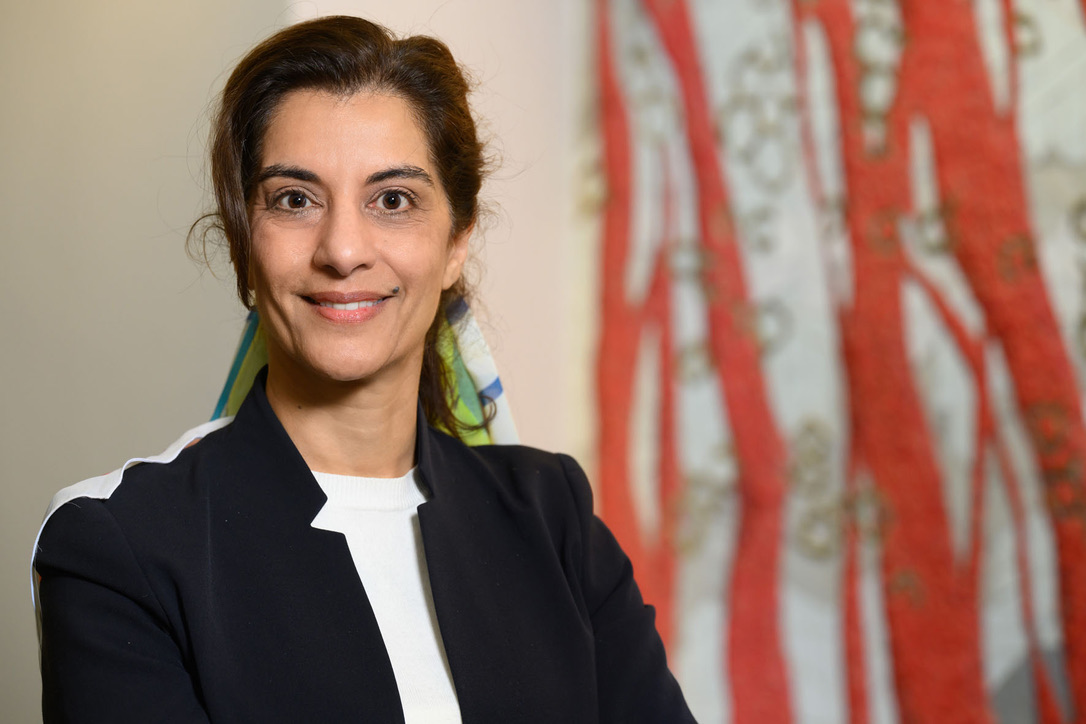
Sanam Naraghi Anderlini
Founder and Chief Executive Officer, International Civil Society Action Network
Sanam Naraghi Anderlini is a British-Iranian peace strategist, scholar and practitioner with three decades of experience bridging geopolitics, diplomacy and locally led peacebuilding. A pioneer of the Women, Peace and Security agenda, she recognized the strategic value of women peacebuilders' political knowledge, relationships and capacities in preventing and resolving conflicts. Founder and CEO of the International Civil Society Action Network (ICAN), she connects research, policy and practice across Africa, Asia, the Middle East and Latin America. A civil society drafter of UN Security Council Resolution 1325, she trained hundreds of UN personnel and served as the UN Mediation Standby Team's first Inclusion Advisor. Her experience spans Afghanistan, Syria, Libya, Somalia, Kenya, Liberia and Colombia. Challenging conventional mediation models, she advances comprehensive peace strategies integrating geopolitical interests, diplomacy, local peacebuilding, civiian protection and inclusive mediation. Her future-first inclusive approach to mediation moves beyond political settlements and power-sharing to responsibility-sharing, addressing the conditions for sustainable peace. Through ICAN she has translated these ideas into the Better Peace Initiative, the 40-country Women's Alliance for Security Leadership and the Innovative Peace Fund that's distributed over $14 million to frontline women-led peacebuilding organizations. Author of Women Building Peace, her research examines gender, masculinities and violent extremism. Her geopolitical writing includes Tallying the Cost of War on the US war on Iran. She hosts If You Were in Charge and appears on CNN, BBC, Channel 4 News and Al Jazeera. A Cambridge MPhil graduate, she teaches at Columbia University, previously directed LSE's Centre for Women, Peace and Security, and holds an MBE for services to Women's Rights and International Peacebuilding.

H.E. Yasutaka Nakasone
State Minister for Foreign Affairs, Japan

H.E. Mohamed Khaled Nordin
Minister of Defence, Malaysia
Syed Nawawi
Chief Executive Officer, International Institute of Advanced Islamic Studies IAIS Malaysia
Dr. Syed Azman Syed Ahmad Nawawi, is currently the Chief Executive Officer (CEO) of International Institute of Advanced Islamic Studies, was born on April 13, 1961, in Kg. Jalan Tekukur, Kuala Terengganu, Terengganu. He received his early education from Sekolah Rendah Sultan Sulaiman 1 and Sekolah Menengah Sultan Sulaiman 1 in Kuala Terengganu, and later pursued a diploma in Business Studies from UiTM. He completed his Bachelor's in Business Administration (1985), Masters in Public Administration (1987), and Masters in Political Science (1988) from Indiana State University, USA, and his PhD in Political Science (1994) from Birmingham University, UK. Dr. Syed Azman has an extensive work experience in both academic and political fields. He has worked as a researcher at Indiana State University, USA, and has served as a lecturer of Political Science at Universiti Malaya and International Islamic University Malaysia. He has also served as a former Member of Parliament of Kuala Terengganu and a former State Assemblyman of Batu Burok (2008 – 2018). He was the first director of Pusat Penyelidikan PAS (PPP) in Jalan Pahang, Kuala Lumpur, and a former political secretary to president of PAS, YB DS Haji Abdul Hadi Awang. Dr. Syed Azman has also gained international-level experience through his involvement as a trustee in Al-Quds Foundation, Palestinian Cultural Organization Malaysia (PCOM), and member of Board of Directors, ‘Hak Asasi Palestin’ in Beirut, Lubnan. He is currently the Chairman of Asia Forum for Peace & Development (AFPAD) and has served as an Independent Election Observer for Indonesia, Thailand, Cambodia, and South Korea, under the Carter Centre USA and the United Nations (UN). He has also presented papers on international issues at international seminars in countries such as Australia, Indonesia, Thailand, South Korea, Japan, and other countries.

H.E. Cheikh Niang
Minister of Foreign Affairs, Republic of Senegal
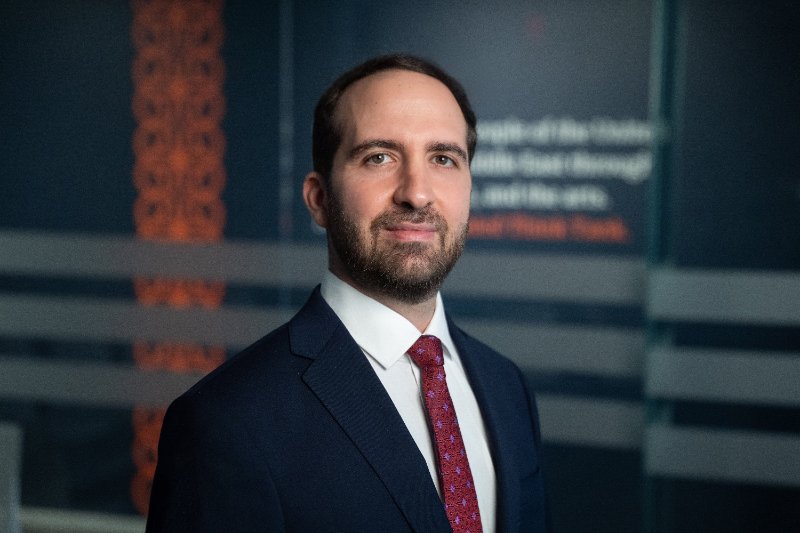
Dr. Fadi Nicholas Nassar
Senior Fellow, Middle East Institute
Fadi Nicholas Nassar is a Senior Fellow at the Middle East Institute specializing in US foreign policy, state capacity in fragile states, and the geopolitics of the Levant. His work focuses on how international policy, local politics, and regional power dynamics shape the survival, reform, and recovery of states under crisis. From 2019 to 2025, he worked on the ground in Lebanon through the country’s financial collapse, the 2020 Beirut Port explosion, and the conflict between Hizballah and Israel. Dr. Nassar holds a PhD from King’s College London (War Studies), an MPA from Columbia University, and a Bachelor of Foreign Service from Georgetown University.

Amb. Heiko Nitzschke
Special Envoy for the Horn of Africa , German Federal Foreign Office
Heiko Nitzschke serves as Germany’s Special Envoy for the Horn of Africa since August 2023, based in Nairobi, Kenya. He previously served as Deputy Head of Mission in Addis Ababa (2019-23); in the Policy Planning Unit at the German Foreign Office (2015-19); as member of the Security Council team at the German UN Mission in New York (2011-15); as Deputy Head of Mission in Khartoum (2008-11) and Political Affairs Officer with the UN Mission in Sudan (2008-09); and Desk Officer for UN Peacekeeping at the Foreign Office in Berlin (2005-08). He joined the Federal Foreign Office as career diplomat in 2004. Before that, he worked for the International Peace Academy (now International Peace Institute) in New York (2002-04). He holds Master degrees from Columbia University’s School of International and Public Affairs (SIPA), and Potsdam University and has published on the political economy of conflict and peacekeeping, and the Sudan.
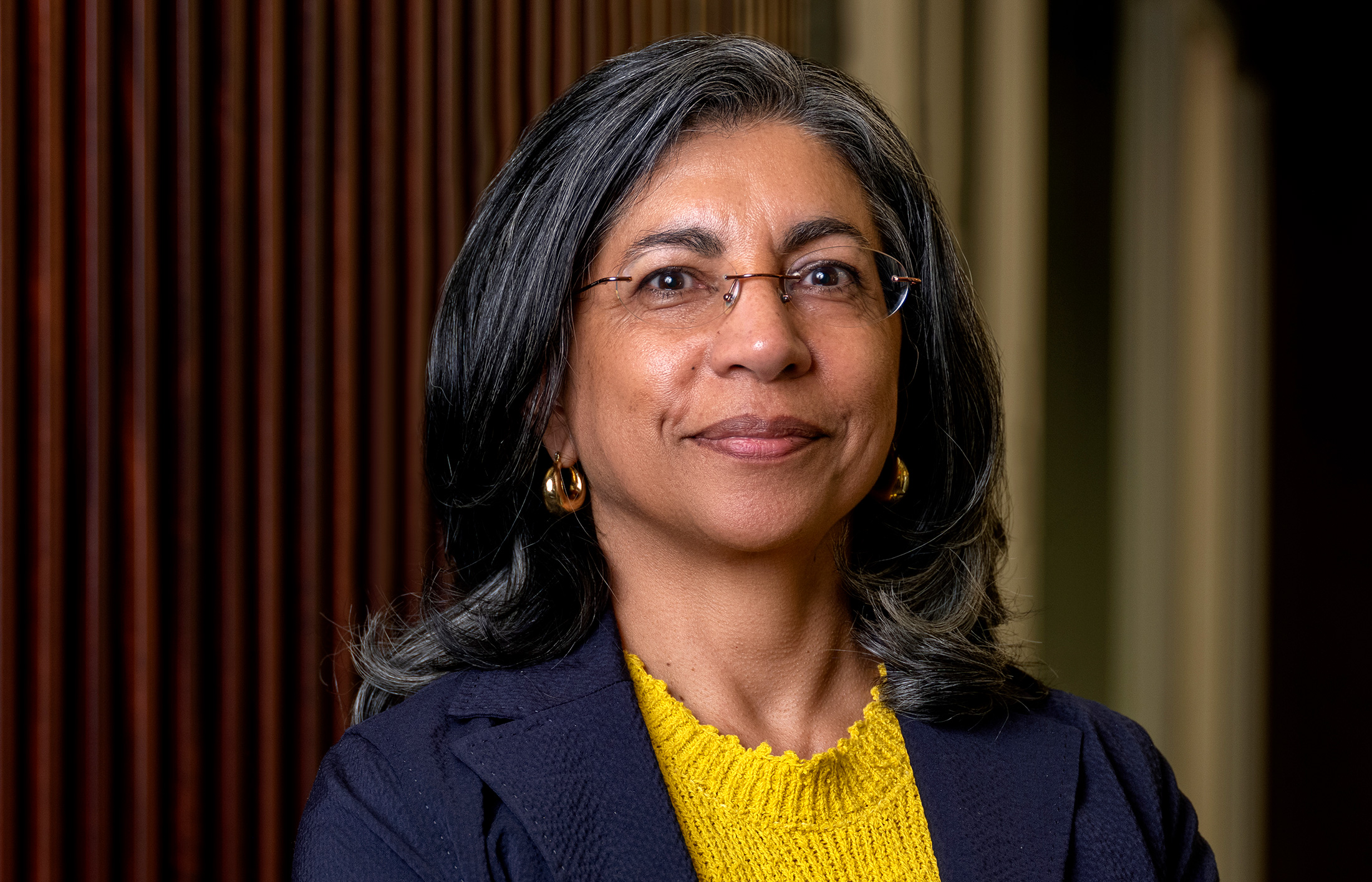
Binaifer Nowrojee
President, Open Society Foundations
Binaifer Nowrojee is the president of the Open Society Foundations, the world’s largest private funder working to promote human rights, equity, and justice. Nowrojee, an international human rights lawyer, previously served as vice president leading regional programs, the first regional director for the Asia-Pacific, and the founding director of the East Africa foundation—bringing extensive experience and expertise on the two continents through grant making, advocacy, research, and strategic litigation. Earlier in her career, Nowrojee was an investigator at Human Rights Watch, where she documented sexual violence during the genocide in Rwanda, helping secure the first ever convictions for genocide and rape as a weapon of war. She was also a lecturer at Harvard Law School and a fellow at Harvard’s Carr Center for Human Rights. Nowrojee holds a JD from Columbia Law School and an LLM from Harvard Law School. In 2025, she received the International Law Institute’s Lifetime Impact Award for her leadership advancing rights, equity, and justice globally.
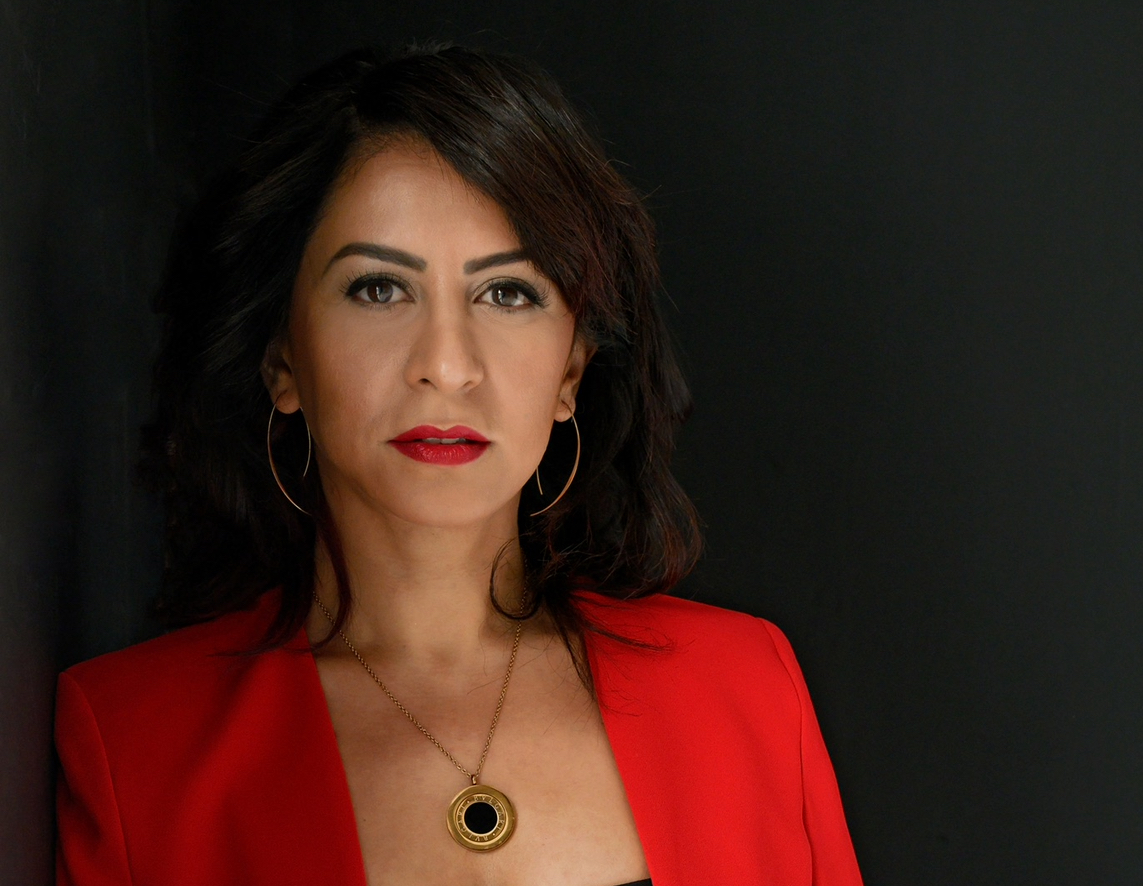
Dr. Nancy Okail
President & Chief Executive Officer, Center for International Policy
Dr. Nancy Okail is President and CEO of the Center for International Policy. She is a leading scholar, policy expert, and advocate with more than 25 years of experience working on peace and security, democracy, and human rights globally and across the Middle East and North Africa. In 2020, Dr. Okail was appointed a visiting scholar at Stanford University, focusing on accountability and the intersection of human rights and technology. Previously, she served as Executive Director of the Tahrir Institute for Middle East Policy (TIMEP), which under her leadership became an internationally renowned policy research organization. She has testified before the U.S. Congress and briefed policymakers and parliamentarians around the world, including in the UK, Germany, the EU, and Japan. Earlier in her career, Okail worked on and evaluated foreign aid programs for international organizations including the World Bank and UNDP. As Director of Freedom House’s Egypt program, she was among 43 NGO workers convicted in Egypt’s widely publicized 2012 foreign-funding case and was exonerated by a court ruling in 2018. Okail holds a Ph.D. from the University of Sussex on the power relations of foreign aid. Her analysis has appeared in Foreign Affairs, The Washington Post, The New York Times, The Nation, The New Republic, The Hill, and Democracy Journal.